
Authentic guanciale carbonara—silky eggs, Pecorino, and black pepper, no cream—ready in 20 minutes with glossy, restaurant-level sauce at home.
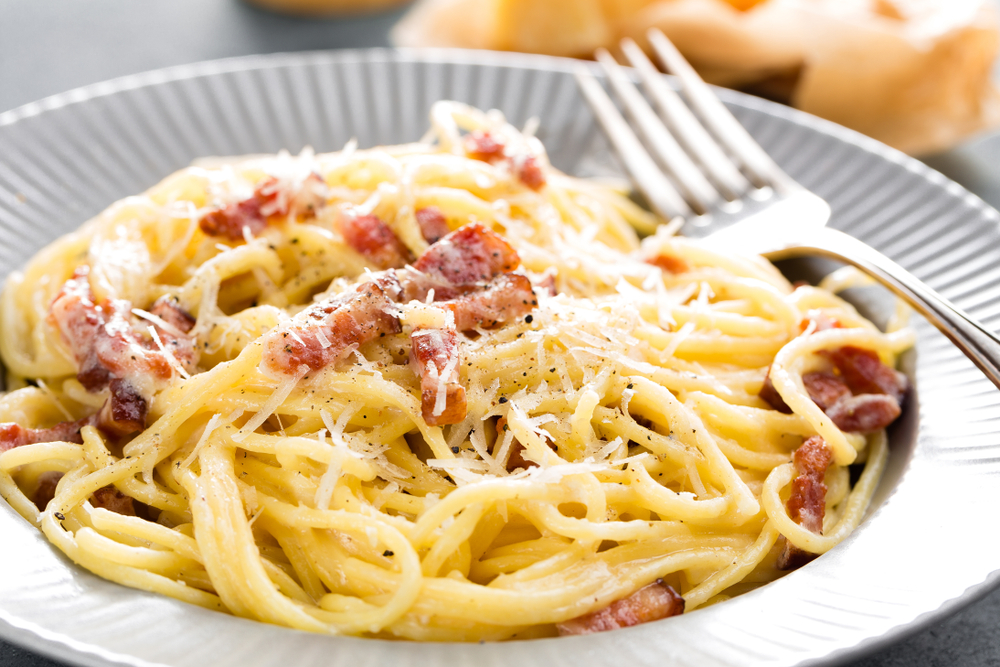
This is weeknight speed with trattoria soul. You’ll render guanciale low and slow until the fat turns glassy and aromatic, whisk eggs and aged cheese into a thick paste, then marry everything off the heat so the sauce becomes impossibly smooth. No cream, no shortcuts—just technique and gorgeous ingredients.
The magic is timing. Boiling, rendering, whisking, and tossing happen in a tight little dance: pasta goes straight from the pot to the warm pan of pork fat, eggs and cheese follow, and a breath of starchy water pulls it all together. What lands in your bowl is satin—pepper-speckled, salty-sweet from the guanciale, and exactly the carbonara you dream about.
What You Need to Make This Carbonara
- Guanciale (1 lb) — Cured pork jowl with rich, delicate fat that renders into liquid gold and perfumes every strand.
- Eggs (4, room temperature) — The “cream” of carbonara; whisked with cheese to form a lush emulsion.
- Pecorino Romano or Parmigiano (2 cups, finely grated) — Salty, nutty backbone; grating ultra-fine guarantees a seamless melt.
- Coarsely ground black pepper — Bright heat and aroma; carbonara’s signature bite.
- Pasta (1 lb) — Spaghetti, rigatoni, or bucatini hold sauce beautifully; cook just shy of al dente.
- Kosher salt (for the water) — A properly seasoned boil makes the whole dish sing.
- Pasta cooking water — Starchy “liquid glue” for a glossy, clingy finish.
Step-by-Step Carbonara with Guanciale
STEP 1: Bring a large pot of well-salted water to a rolling boil. The water should taste like the sea so the pasta carries its own flavor into the sauce.
STEP 2: In a bowl, whisk the eggs until uniform, then beat in the finely grated cheese and a good shower of black pepper. You’re aiming for a thick, spreadable paste—this is your sauce base. Set it aside at room temperature.
STEP 3: Place the diced guanciale in a cold skillet and set over medium heat. Let the fat render slowly, stirring occasionally, until the edges turn golden and crisp-tender, 5–7 minutes. Scoop the guanciale to a plate and leave about 2 tablespoons of fat in the pan.
STEP 4: Drop the pasta into the boiling water and cook to just shy of al dente. Before draining, reserve at least ½ cup of the starchy cooking water.
STEP 5: Slide the hot, drained pasta directly into the warm skillet with the guanciale fat. Toss to coat every strand, then take the pan off the heat so the eggs won’t scramble in the next step.
STEP 6: Add the egg-and-cheese paste, tossing vigorously with tongs and dribbling in splashes of hot pasta water until the sauce loosens and turns glossy. It should cling to the pasta like silk—never dry, never soupy.
STEP 7: Fold the guanciale back in, reserving a few nuggets for garnish. Twist into warm bowls, top with a little extra cheese and fresh-cracked pepper, and serve immediately while the sauce is at peak creaminess.

Ingredients at a Glance (and Why They Matter)
- Guanciale vs pancetta/bacon: Guanciale’s higher, sweeter fat content renders silkier; pancetta is fine in a pinch, bacon adds smoke and can crowd the sauce.
- Pecorino vs Parmigiano: Pecorino is saltier and punchier, Parmigiano is nuttier and rounder; a half-and-half blend is a beautiful middle ground.
- Egg strategy: Whole eggs keep things satin-rich without heaviness; room-temp eggs emulsify more easily.
Pro Tips for Flawless Carbonara
- Grate ultra-fine: Use a microplane or rasp so the cheese dissolves instead of clumping.
- Control the heat: Emulsion happens off the burner; add warmth back only with hot pasta and water.
- Season smart: Your cheese and guanciale are salty—taste before adding more salt at the end.
Perfect Pairings
- Bitter greens salad with lemon and olive oil to cut the richness.
- Roasted asparagus or broccolini for a charred, springy counterpoint.
- A crisp white like Verdicchio or Frascati to echo the dish’s peppery brightness.
Choosing guanciale for depth and silkiness
You get the most authentic texture by starting with guanciale: its gentle cure and luscious fat render into a clear, savory oil that coats pasta without greasiness. Dice it into small lardons, begin in a cold pan, and let it sizzle lazily. Pull it when the edges are just crisp so the centers stay tender and sweet.
Preventing scrambled eggs in the sauce
You keep things velvety by cutting the heat before the eggs go in and working fast with tongs. The pasta’s residual warmth melts the cheese while the starch in the cooking water finishes the emulsion. If the sauce tightens, add another spoon or two of hot water and toss; if it’s loose, keep tossing and it will thicken.
Picking Pecorino or Parmigiano like a Roman
You can lean all-in on Pecorino Romano for briny snap or soften the edges with Parmigiano-Reggiano. Many Roman cooks blend them to balance salinity and nuttiness. Whatever you choose, grate it finely and fold it into the eggs first—building the paste ensures even melting when you hit it with hot pasta.

Working with whole eggs versus extra yolks
You’ll get a classic, silky result with whole eggs as written, but adding one extra yolk deepens color and body. If you go yolk-heavy, be especially careful with heat and ready your pasta water—the extra fat needs more starchy liquid to stay supple rather than turning pasty.
Selecting the best pasta shape for clingy sauce
You can’t go wrong with spaghetti, but bucatini’s hollow core and rigatoni’s ridges hang onto carbonara like a dream. Cook to just shy of al dente so the final toss with egg and cheese finishes the texture. That last minute in the pan is where the sauce and pasta really become one.
Serving Ideas for Carbonara
- Lemon-pepper arugula: Toss baby arugula with lemon juice, olive oil, and extra pepper for a brisk counterpoint.
- Tomato-free antipasti: Think marinated artichokes or grilled zucchini to keep flavors focused on the pasta.
- Crusty bread: Not for the sauce—carbonara should cling—but for happy nibbling between bites.
How to Store & Reheat
Carbonara is at its most luxurious the moment it’s made, but leftovers can still shine. Refrigerate promptly in a shallow airtight container for up to 2 days. To reheat, slide pasta into a skillet with a generous splash of hot water and warm over low heat, tossing constantly until glossy again. Avoid boiling or microwaving on full power; high heat can curdle the egg emulsion and toughen the guanciale. If the sauce tastes shy after reheating, finish with a pinch more Pecorino and a twist of black pepper to wake it up.
Authentic Carbonara with Guanciale
Ingredients
- 4 large eggs brought to room temperature before use
- 1 pound of dried pasta of your choosing spaghetti, rigatoni, or similar
- 16 ounces guanciale cut into small rectangular pieces roughly 1/4 inch thick and 1/3 inch wide
- 2 cups finely shredded Pecorino Romano Parmigiano-Reggiano, or a combination of both cheeses
- Freshly crushed black pepper to taste
- Kosher salt for seasoning the pasta water
- Reserved pasta cooking liquid about 1/2 cup
Instructions
- Bring a large stockpot of water to a vigorous boil. Add salt generously—approximately 2 tablespoons per 500 grams of pasta—so the water resembles the salinity of seawater.
- In a mixing bowl, whisk the eggs thoroughly until completely smooth. Fold in the grated cheese and a liberal dose of freshly ground black pepper to form a thick, paste-like consistency. Set aside.
- Place the diced guanciale into a cold skillet without adding oil. Turn the heat to medium and allow the fat to render slowly. Cook for 5 to 7 minutes until the edges are crisp and golden but not overly crunchy. Remove from heat. With a slotted spoon, transfer the guanciale to a plate and retain around 2 tablespoons of the rendered fat in the skillet.
- Add your pasta to the boiling water and cook until it reaches a firm, al dente texture, following the time on the package. Before draining, reserve half a cup of the starchy cooking water.
- Immediately transfer the drained pasta to the skillet containing the warm guanciale fat. Toss well to coat the strands evenly. Remove the skillet from any heat source entirely to prevent the eggs from cooking too quickly.
- Gradually add the egg-cheese mixture to the pasta, mixing rapidly with tongs or stirring briskly to form a smooth, glossy sauce. Add a small amount of the reserved pasta water as needed to achieve a creamy consistency that coats the pasta evenly.
- Stir the cooked guanciale into the pasta, setting aside a few crisp pieces for final garnishing. Serve straightaway, topping each plate with an extra sprinkle of cheese and a final grind of black pepper.
Notes
- For best results, choose guanciale over pancetta or bacon—its high fat content and rich flavor are essential for authentic Roman flavor.
- Allow eggs to reach room temperature to prevent curdling and ensure a smooth emulsion when combined with hot pasta.
- Always remove the pan from heat before integrating the egg mixture; residual warmth is sufficient to create a velvety sauce.
- Vigorously tossing the pasta during mixing is crucial for proper emulsification and a glossy finish.
- Don’t skip the reserved pasta water—it’s key to adjusting sauce thickness without compromising flavor.
- Use freshly cracked black pepper generously, as it plays a central role in the flavor profile.
- Carbonara should be served immediately for the best texture and taste—once ready, plate and enjoy without delay.