
Toffee Cookies are soft and chewy in the center, lightly crisp around the edges, and packed with buttery toffee pieces. Simple ingredients, optional chilling, and a short bake make these reliable cookies perfect for everyday baking, parties, or cookie trays.
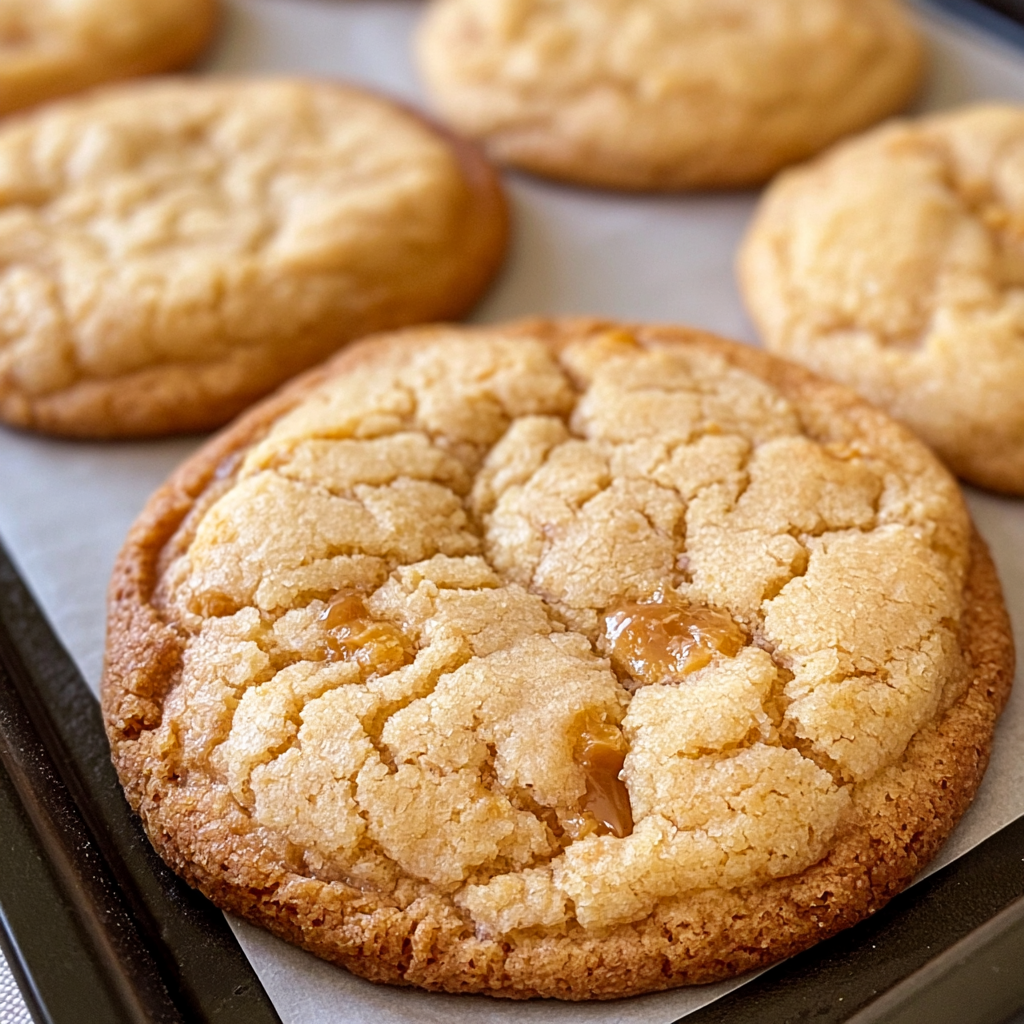
When you want a cookie that feels a little more special than a classic sugar cookie but is still straightforward to make, this batch is a great choice. Brown sugar gives the centers extra softness, while granulated sugar helps the edges develop that delicate golden crispness.
The real highlight is the generous amount of toffee folded through the dough. As the cookies bake, those pieces soften into sweet, buttery pockets surrounded by a tender vanilla cookie. Creaming the softened butter properly and taking care not to overmix the flour are the two small techniques that make a noticeable difference.
You can bake the dough right away when you need cookies quickly, or refrigerate it for 30 to 60 minutes when you prefer a slightly thicker cookie with controlled spreading. Either approach gives you a dependable homemade cookie that is simple enough for beginner bakers.
Toffee Cookie Ingredients
All-purpose flour: Provides the structure for the cookies while keeping the dough sturdy enough to hold plenty of toffee pieces.
Baking soda: Gives the dough the lift and spread needed for cookies with soft centers and lightly crisp edges.
Salted butter: Creates richness and provides the fat needed for a tender texture. Let it soften completely before creaming so it blends smoothly with the sugars.
Granulated sugar: Encourages spreading and helps the cookies develop their golden, slightly crisp outer edges.
Light brown sugar: Adds moisture and contributes to the softer, chewier texture in the middle of each cookie.
Eggs: Bind the dough together and contribute moisture. Room-temperature eggs incorporate more evenly into the creamed butter.
Vanilla extract: Adds a warm flavor that complements the caramel-like character of the toffee without competing with it.
Toffee baking bits: Supply buttery sweetness and small caramelized pockets throughout every cookie. A few can be reserved for decorating the tops before baking.

How to Make These Toffee Cookies
STEP 1: Heat your oven to 350°F and prepare a baking sheet with parchment paper if desired. While the oven warms, make sure the butter is properly softened and the eggs have lost their refrigerator chill. Combine the flour and baking soda in a separate bowl so the leavening is evenly dispersed.
STEP 2: Beat the softened butter with the granulated sugar and packed brown sugar for about 2 to 3 minutes. The mixture should look paler and noticeably fluffier than when you started. Proper creaming incorporates air into the dough and helps create a lighter texture rather than a heavy, compact cookie.
STEP 3: Blend the vanilla into the creamed butter mixture, then add the eggs one at a time. Mix well after the first egg before adding the second. Giving each egg time to incorporate creates a smoother dough and prevents the butter mixture from separating unnecessarily.
STEP 4: Fold the toffee pieces through the wet mixture until they are distributed fairly evenly. If you want the finished cookies to show more visible pieces on top, set aside a small handful before adding the remainder.
STEP 5: Add the flour mixture in two or three additions rather than dumping it in all at once. Mix gently after each addition and stop as soon as the flour disappears into the dough. Continuing to mix after this point can develop too much gluten and make the baked cookies firmer.
STEP 6: Scoop portions of dough onto your prepared baking sheet, spacing them about 2 inches apart. Bake them immediately for cookies with a little more spread, or refrigerate the dough for 30 to 60 minutes if you want to encourage a thicker shape and chewy interior.
STEP 7: Bake for 10 to 12 minutes. Look at the cookies rather than relying only on the timer: the edges should be golden while the middle still appears slightly soft or underdone. They will continue to set from the heat of the baking sheet after coming out of the oven.
STEP 8: Leave the cookies on the baking sheet for 3 to 5 minutes before attempting to move them. Freshly baked cookies will still be delicate at this stage. Once they have firmed slightly, transfer them to a wire rack and allow them to cool completely.
Can I bake the cookies without chilling the dough?
Yes. Chilling is completely optional, and you can scoop and bake the dough as soon as it is mixed. The cookies may spread a little more when baked immediately. Refrigerating the dough for 30 to 60 minutes helps firm the butter and can produce a thicker, chewier result.
Why did my toffee cookies spread too much?
Butter that is overly warm can cause the dough to spread quickly once it enters the oven. Make sure the butter is softened rather than melted. If your kitchen is particularly warm or the dough feels very soft, a short refrigeration period can help it hold its shape better.
Helpful Tips
- Cream the butter and sugars for the full 2 to 3 minutes. This step improves the texture and should not be rushed.
- Stop mixing once the flour is incorporated. Overworking cookie dough can make the finished cookies noticeably tougher.
- Pull the cookies from the oven while their centers still look slightly soft. Waiting until the centers appear completely baked can result in cookies that become firmer as they cool.
How do I know when the cookies are done?
Use the edges as your main visual guide. They should look set and golden brown while the centers remain slightly softer and paler. The centers continue cooking for several minutes on the hot baking sheet, giving you a chewy middle without leaving the cookies raw.
Perfect Pairings
A cold glass of milk is a natural match for these buttery cookies and balances the sweetness of the toffee.
Coffee also works especially well because its roasted flavor contrasts with the caramel-like sweetness in the cookies. They make an easy afternoon treat alongside a freshly brewed cup.
For a dessert plate, serve the cookies with a simple scoop of vanilla ice cream. The combination is particularly good while the cookies are still slightly warm and the toffee pieces are soft.

Can I prepare the cookie dough ahead?
Yes. Preparing the dough ahead can actually be useful when you want fresh cookies without mixing everything at the last minute. Keep the covered dough refrigerated until you are ready to portion and bake it. Very cold dough may need a few minutes at room temperature before it becomes easy to scoop.
How to Store & Reheat
Let the cookies cool completely before transferring them to an airtight container. Storing cookies while they are still warm can trap steam inside the container and change their texture.
At room temperature, keep the cookies well sealed and enjoy them within about 4 to 5 days for the freshest texture. Separating layers with parchment paper can help prevent the cookies from sticking together, particularly if some of the toffee remains soft.
For longer storage, freeze the cooled cookies in a freezer-safe container or bag for up to about 2 to 3 months. Arrange them in layers with parchment between them when necessary. Thaw individual cookies at room temperature whenever you want one.
You can also freeze portions of unbaked dough. Scoop the dough first, freeze the portions until firm, and then transfer them to a freezer-safe container. This makes it convenient to bake only a few cookies at a time rather than preparing an entire batch.
To bring a stored cookie closer to that freshly baked texture, warm it briefly in the microwave until just softened. Avoid overheating it, since melted toffee can become extremely hot.
The most important cooling step happens immediately after baking. Give the cookies their full 3 to 5 minutes on the baking sheet before transferring them to the rack. That short rest allows the soft centers to set while preserving the tender, chewy texture that makes these golden toffee cookies so satisfying.
Toffee Cookies
Ingredients
- 2 cups rich toffee baking bits
- ¾ cup firmly packed light brown sugar
- 2 large eggs brought to room temperature
- 2½ cups all-purpose flour
- 1 tablespoon pure vanilla extract
- ½ cup salted butter softened to room temperature
- ¾ cup granulated white sugar
- 1 teaspoon baking soda
Instructions
- Heat the oven to 350°F. Make certain the butter has softened to room temperature and the eggs are no longer cold, as this encourages smoother blending and better emulsification.
- Sift the all-purpose flour and baking soda together in a medium mixing bowl. This aerates the flour while distributing the baking soda evenly. Set the mixture aside and measure the remaining ingredients before proceeding.
- Place the softened salted butter, granulated sugar, and firmly packed light brown sugar in a large mixing bowl. Beat for 2–3 minutes, or until the mixture becomes noticeably paler, fluffier, and greater in volume.
- During the final minute of creaming, pour in the vanilla extract and continue beating until it is thoroughly incorporated.
- Add the room-temperature eggs individually, beating thoroughly after each addition before adding the next.
- Once both eggs have been completely blended into the butter mixture, gently fold in the toffee bits until evenly dispersed throughout the dough.
- If desired, retain a small handful of the toffee pieces to scatter over the portioned cookies immediately before baking.
- Add the prepared flour mixture to the wet ingredients in two or three portions. Stir gently after each addition, mixing only until the flour has been incorporated.
- Avoid excessive mixing after the flour is introduced, since unnecessary agitation can develop the gluten and produce a firmer cookie. Stop as soon as no visible streaks of dry flour remain and the dough has formed a cohesive mixture.
- Using a cookie scoop or spoon, divide the dough onto an ungreased or parchment-lined baking sheet. Leave approximately 2 inches of space between portions to accommodate spreading.
- For improved structure and a chewier center, refrigerate the portioned or prepared dough for 30–60 minutes before baking. The cookies may also be baked immediately when time is limited.
- Bake at 350°F for 10–12 minutes. Remove the cookies when the edges have developed a golden-brown color while the centers still look slightly underbaked. Residual heat from the baking sheet will continue cooking the centers after they leave the oven.
- Allow the cookies to remain on the baking sheet for 3–5 minutes so they can firm sufficiently. Transfer them carefully to a wire rack and leave them there until completely cooled.