
This southern pecan pie is rich, buttery, and reliably sliceable, with a smooth brown sugar and corn syrup filling packed with plenty of chopped pecans. Cinnamon and vanilla add gentle warmth, while a crisp pastry shell balances the soft, nutty center.
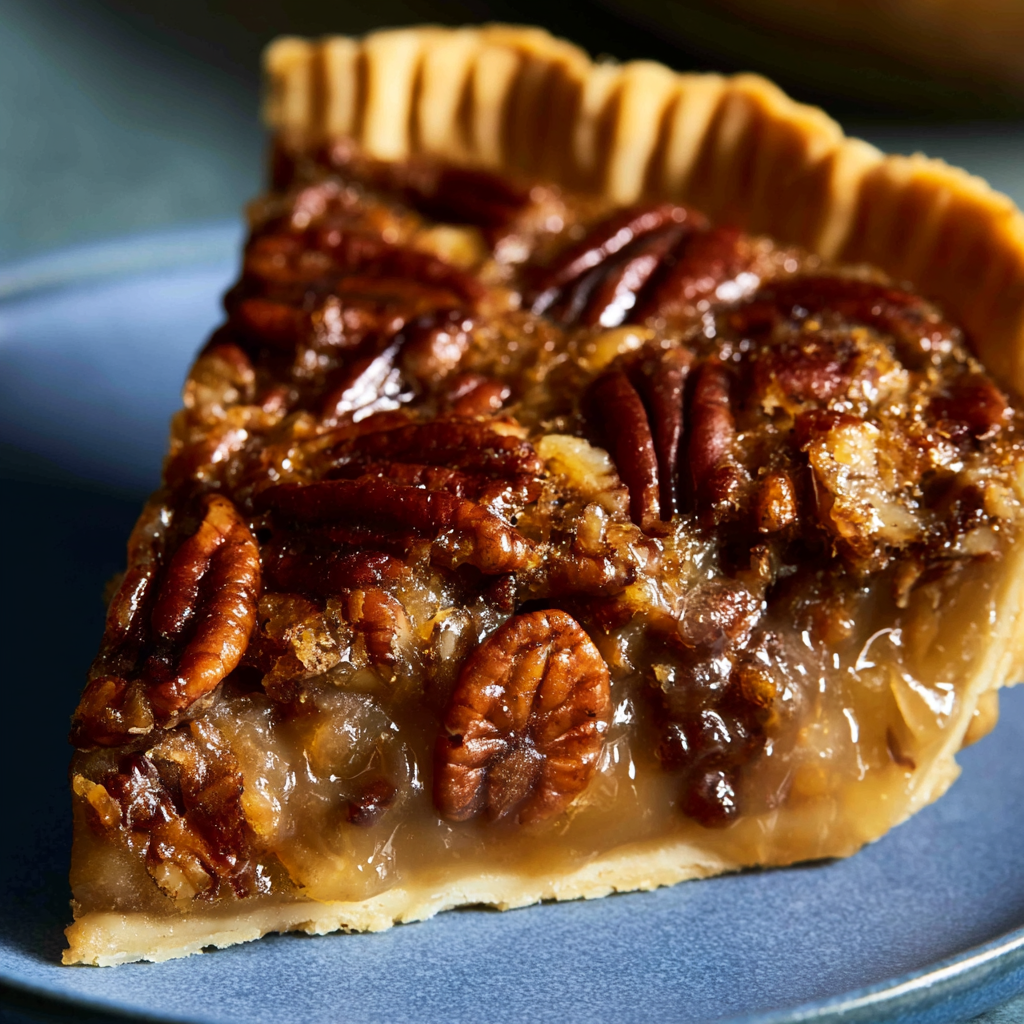
If you want a classic dessert that feels right at home on a holiday table, Sunday dinner spread, or Thanksgiving menu, this pie is a dependable choice. The generous amount of pecans gives every slice plenty of texture instead of leaving you with mostly sweet filling.
The key is knowing when to take the pie out of the oven. You want the edges firmly set while the center still has a slight movement. After a full two-hour cooling period, that custard settles into the dense, tender consistency that makes pecan pie so satisfying.
Southern Pecan Pie Ingredients
Pecans: Coarsely chopped pecans are the main attraction, adding deep nutty flavor and a substantial texture throughout the filling.
9-inch pastry shell: An unbaked or frozen pastry crust creates the buttery base and crisp edge around the soft filling.
Eggs: Three large eggs provide structure, helping the sweet filling set into a smooth custard as it bakes.
Brown sugar: Packed brown sugar contributes caramel-like depth and a richer flavor than granulated sugar alone would provide.
Corn syrup: Light or dark corn syrup gives the filling its characteristic glossy texture and helps keep the finished custard smooth.
Unsalted butter: Melted butter rounds out the sweetness and gives the filling a richer, softer consistency.
Vanilla extract: Pure vanilla adds warm aroma and complements both the brown sugar and toasted pecan flavors.
Ground cinnamon: A teaspoon of cinnamon brings mild spice without overpowering the nuts.
Salt: A small amount sharpens the other flavors and keeps the filling from tasting one-dimensionally sweet.

Step-by-Step Southern Pecan Pie
STEP 1: Position an oven rack in the lower-middle section and preheat the oven to 350°F (175°C). Place the unbaked 9-inch pastry shell on a sturdy baking sheet. This makes the filled pie easier to move and can catch any accidental drips.
STEP 2: Coarsely chop the pecans, keeping some larger pieces for texture rather than reducing everything to fine crumbs. Measure the remaining ingredients and allow cold eggs to come closer to room temperature before mixing.
STEP 3: In a medium bowl, combine the eggs, corn syrup, packed brown sugar, melted and cooled butter, vanilla, cinnamon, and salt. Whisk for about 1–2 minutes, until the mixture looks smooth and the brown sugar is well incorporated.
STEP 4: Scatter the chopped pecans evenly across the bottom of the pastry shell. Spreading them out before adding the liquid helps distribute the nuts throughout the entire pie rather than concentrating them in one area.
STEP 5: Slowly pour the prepared custard over the pecans. Fill the shell nearly to the top without overflowing it. The nuts will naturally shift and rise as the filling settles around them.
STEP 6: Bake at 350°F for 55–60 minutes. The outer portion should appear set, while the center should still have a slight jiggle when the baking sheet is gently moved. Avoid waiting until the center becomes completely rigid in the oven, since it continues setting while cooling.
STEP 7: Remove the pie and leave it on the baking sheet at room temperature for at least 2 hours. Do not rush this step. Cooling gives the custard enough time to firm, making the pie much easier to cut into clean, defined slices.
Recipe Tips
- Watch the center rather than relying only on time. A small amount of movement in the middle is desirable; a liquid, sloshing center needs more baking.
- Let the melted butter cool before mixing. Very hot butter can make it more difficult to combine smoothly with the eggs.
- Give the pie the full cooling period. Two hours is the minimum for a neatly set filling, and completely cooled pie will usually produce the cleanest slices.
Can I use a frozen pie crust?
Yes. An unbaked frozen 9-inch pastry shell works well and makes preparation especially convenient. Keep the shell supported on a baking sheet before adding the filling so it remains stable when you transfer it to the oven.
There is generally no need to prebake the crust for this preparation. The crust and pecan filling bake together at 350°F until the pastry is cooked and the custard has set.
How do I know when pecan pie is finished baking?
Look at both the edges and center. The outer filling should be set and slightly puffed, but the center should retain a gentle jiggle when you carefully move the pan.
If the middle looks distinctly liquid, continue baking for a few more minutes. Remember that the residual heat continues cooking and firming the filling after the pie leaves the oven.
Why does pecan pie need to cool before slicing?
The filling is a baked egg-based custard, so it remains relatively soft immediately after baking. As the pie cools, that custard gradually firms and becomes stable enough to hold its shape.
Cutting into it too soon can cause the warm filling to spread onto the plate. Waiting at least two hours makes a noticeable difference in both texture and presentation.

Can I make this pie ahead of time?
Absolutely. Pecan pie is particularly convenient for make-ahead meals because it needs substantial cooling time anyway. You can bake it the day before serving, cool it completely, and refrigerate it once cooled.
Before serving, enjoy it chilled or give it a little time at room temperature if you prefer a softer filling and more pronounced pecan flavor.
Can I use light or dark corn syrup?
Either works. Light corn syrup produces a milder sweetness that lets the vanilla and pecans stand out clearly. Dark corn syrup gives the filling a deeper caramel-like character.
Since the rest of the ingredients stay the same, you can choose whichever version suits the flavor you want without altering the baking method.
What to Serve with Southern Pecan Pie
Lightly whipped cream: A spoonful of softly whipped cream provides a cool, mild contrast to the dense brown sugar and pecan filling.
Vanilla ice cream: Serve a scoop alongside a room-temperature or slightly warm slice for the familiar combination of warm nutty flavors and cold vanilla creaminess.
Fresh fruit: Simple berries or sliced fresh fruit can provide a lighter contrast when this rich pie follows a substantial holiday meal.
How to Store & Reheat
Once the pie has cooled completely, cover it securely and place it in the refrigerator. Because the filling contains eggs, refrigeration is the best choice for longer storage. Properly covered pecan pie can be kept refrigerated for about 3–4 days.
For longer storage, freeze the cooled pie or individual slices for up to 2 months. Wrap it well before freezing to reduce exposure to air and help protect both the pastry and filling. Thaw frozen pie overnight in the refrigerator before serving.
Pecan pie is delicious cold or at room temperature, so reheating is optional. If you prefer it warm, place a slice in a 300°F oven for roughly 10 minutes, or warm a larger portion slightly longer until just heated through. Gentle reheating is preferable to high heat, which can soften the crust too much or overcook the custard.
For the cleanest presentation, slice the pie when it is fully cooled or lightly chilled. A sharp knife wiped clean between cuts will move easily through the pecan layer and give you neat portions with the buttery crust, nut-packed topping, and smooth filling intact.
Southern Pecan Pie
Ingredients
- 2 1/2 cups pecans approximately 10 ounces, coarsely chopped
- 3 large eggs preferably brought to room temperature
- 1 unbaked or frozen 9-inch pastry shell
- 3/4 cup firmly packed brown sugar
- 1 cup light or dark corn syrup according to preference
- 3 tablespoons unsalted butter melted and allowed to cool to room temperature
- 1 teaspoon pure vanilla extract
- 1/2 teaspoon salt
- 1 teaspoon ground cinnamon preferably freshly ground
Instructions
- Arrange an oven rack in the lower-middle portion of the oven, then heat the oven to 350°F (175°C). This placement encourages even baking while helping protect the pastry from excessive browning.
- If the eggs are still refrigerated, bring them to room temperature so they will combine more readily with the remaining filling ingredients.
- Coarsely chop the 2 1/2 cups of pecans, leaving a mixture of smaller pieces and larger chunks to provide varied texture throughout the finished pie.
- Set the unbaked 9-inch pastry shell on a baking sheet. The sheet provides additional stability during handling and will catch any filling that may drip while baking.
- Place the 3 room-temperature eggs, 1 cup corn syrup, 3/4 cup packed brown sugar, 3 tablespoons melted and cooled unsalted butter, 1 teaspoon vanilla extract, 1 teaspoon cinnamon, and 1/2 teaspoon salt in a medium mixing bowl.
- Whisk the mixture energetically for approximately 1–2 minutes, continuing until the brown sugar has dissolved thoroughly and the filling appears smooth and evenly blended. Proper mixing helps prevent a grainy finished texture.
- Continue until the eggs and melted butter are fully incorporated into a cohesive custard mixture. This emulsification contributes to the pie’s smooth consistency and helps distribute the pecans through the filling during baking.
- Distribute the chopped pecans in an even layer over the base of the prepared pastry shell.
- Gradually pour the custard mixture over the pecans, filling the shell nearly to the top. Depending on the depth of the crust, a very small amount of filling may remain.
- Transfer the assembled pie immediately to the preheated 350°F (175°C) oven, keeping it on the lower-middle rack. Bake for 55–60 minutes, or until the outer portion of the filling is set while the very center retains a slight jiggle. The remaining heat will continue setting the custard after the pie leaves the oven, helping prevent an overly firm or rubbery texture.
- Remove the baked pie from the oven and leave it on the baking sheet to cool at room temperature for a minimum of 2 hours before cutting.
- During this cooling period, the custard will continue to firm and stabilize. Slicing the pie while it is still warm may cause the filling to lose its shape.