
Pasta Aglio e Olio, the 15-minute garlic-and-olive-oil classic brightened with lemon, parsley, and Parmesan for weeknight simplicity and big flavor.
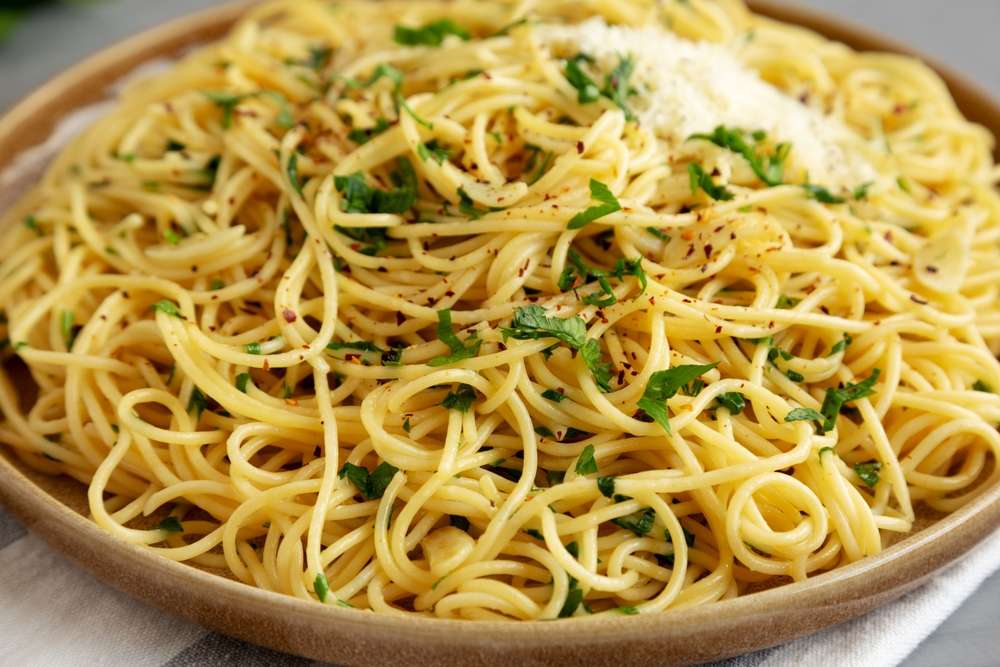
When cravings call for something fast but deeply satisfying, this Naples-born staple answers with pantry magic. Sliced garlic gently toasts in extra-virgin olive oil until fragrant, then spaghetti gets tossed through with heat-kissed chile, lemon, and a shower of parsley. The result is silky, glossy noodles that taste like more than the sum of their parts.
A little technique goes a long way here: cook the pasta in well-salted water, perfume the oil without scorching the garlic, then use starchy pasta water to create that restaurant-worthy sheen. The lemon keeps things bright, and a handful of Parmesan—while not traditional—adds savory depth many cooks adore.
What You Need to Make This Pasta Aglio e Olio
- Spaghetti — Long strands that tangle beautifully with the garlicky oil and cling to the sauce.
- Extra-virgin olive oil — The backbone of the dish; choose a fruity, balanced bottle for flavor you can taste.
- Garlic — Thinly sliced so it perfumes the oil and turns golden without burning.
- Crushed red pepper flakes — Gentle heat that wakes up the palate; add more or less to taste.
- Fresh lemon juice — A bright splash that lifts the richness of the oil.
- Fresh parsley — Clean, herby finish and color against the golden garlic.
- Parmesan cheese — Salty-nutty boost that melts into the emulsion (optional but delicious).
- Salt & black pepper — Seasoning for the pot and the final balance.
- Reserved pasta water — Starchy liquid that brings everything together into a glossy coating.
How to Cook Pasta Aglio e Olio
- Boil the pasta. Cook spaghetti in generously salted water until al dente. Dip out some cooking water before draining.
- Flavor the oil. Warm olive oil over medium heat. Add red pepper flakes, a pinch of salt and pepper, then the sliced garlic. Cook, swirling, just until fragrant and pale gold—don’t let it brown.
- Brighten. Stir in lemon juice and a ladle of reserved pasta water; take the pan off the heat so the garlic stops cooking.
- Toss with pasta. Add drained spaghetti to the skillet. Toss vigorously so the oil and starch emulsify and coat every strand.
- Finish. Sprinkle in Parmesan (if using) and chopped parsley. Toss again, adding more pasta water by the spoonful until silky.
- Taste & adjust. Season with salt, black pepper, and extra lemon if you like. Serve immediately while it’s glossy and hot.
Is Parmesan authentic in aglio e olio?
Traditionally, no—many Italians keep it cheese-free. That said, adding Parmesan is common at home for umami richness. Use lightly, letting the garlic and oil stay center stage.
Should I slice or mince the garlic?
Slice thinly. Slices infuse the oil gently and resist burning. Minced garlic cooks faster, can turn bitter, and muddies the sauce. Aim for paper-thin coins for the best aroma and texture.
What olive oil works best?
Use a good extra-virgin with balanced, fruity notes rather than aggressive bitterness. Because the oil is the sauce, flavor matters. Avoid overheating; gentle warmth keeps it fragrant and smooth.
How do I keep the garlic from burning?
Add it to warm (not smoking) oil, cook over medium heat, and swirl often. Pull the pan off heat the moment it turns pale gold—the residual heat will finish it without tipping into bitterness.
Can I add anchovies?
Absolutely. Melt one or two anchovy fillets in the warm oil before the garlic. They dissolve, adding savory depth without tasting “fishy,” and make the whole dish taste more complex.
Recipe Tips
- Salt like the sea. Well-salted pasta water seasons noodles from within and means you’ll need less salt later.
- Emulsify, don’t drown. Add pasta water gradually while tossing until the sauce clings in a glossy sheen.
- Control the heat. Garlic goes from golden to bitter fast—lift the pan off the burner to slow things down.

Serving Ideas for Pasta Aglio e Olio
- Crisp green salad with lemon vinaigrette to echo the citrus and cut the richness.
- Garlicky sautéed greens (broccolini, spinach, or kale) for a savory counterpoint.
- Warm crusty bread to swipe up every last garlicky drop.
Keeping Leftovers Fresh
Store cooled pasta in an airtight container for up to 3 days. Reheat gently in a skillet with a splash of water and a drizzle of olive oil, tossing until it loosens and shines. If you added Parmesan, finish with a fresh sprinkle after warming.
Pasta Aglio e Olio
Ingredients
- 1/4 cup of starchy water saved from cooking the pasta
- 1/2 cup of finely chopped flat-leaf parsley
- Juice extracted from 1 fresh lemon
- 1/3 cup of premium cold-pressed olive oil
- 1 cup of finely grated Parmesan cheese
- 1 pound of dried spaghetti noodles
- 8 cloves of garlic sliced thinly into slivers
- 1/4 teaspoon of red chili flakes adjust to taste for spiciness
- Freshly ground black pepper to preference
- Kosher or sea salt to season
Instructions
- Bring a large pot of water to a boil and cook the spaghetti according to the package directions until al dente. Before draining, reserve a quarter cup of the hot pasta water. Set the drained pasta aside.
- As the pasta cooks, place a large skillet over medium heat to warm up.
- Slice the garlic into thin pieces and finely chop the fresh parsley. Keep both prepared and ready.
- Once the pan is hot, pour in the olive oil. Immediately add the crushed red pepper flakes, a small amount of salt, and a few turns of freshly ground pepper.
- Introduce the garlic slices to the pan and allow them to cook for 1 to 2 minutes, just until their aroma is released and they begin to turn golden. Stir occasionally or shake the pan to ensure even cooking and to avoid burning.
- Pour in the freshly squeezed lemon juice and the reserved pasta water. Stir briefly to combine, then take the pan off the heat.
- Add the drained spaghetti into the pan, followed by the grated Parmesan and chopped parsley. Gently toss everything together until the pasta is thoroughly coated and the cheese melts into the mixture.
- Serve immediately while hot.