
Pumpkin Pasta Sauce is a creamy, plant-based dinner that turns roasted winter squash, tomatoes, red pepper, and garlic into a smooth sauce for your favorite pasta. It is simple enough for a weeknight, naturally rich without dairy, and finished with herbs, vegan feta, and crunchy walnuts.
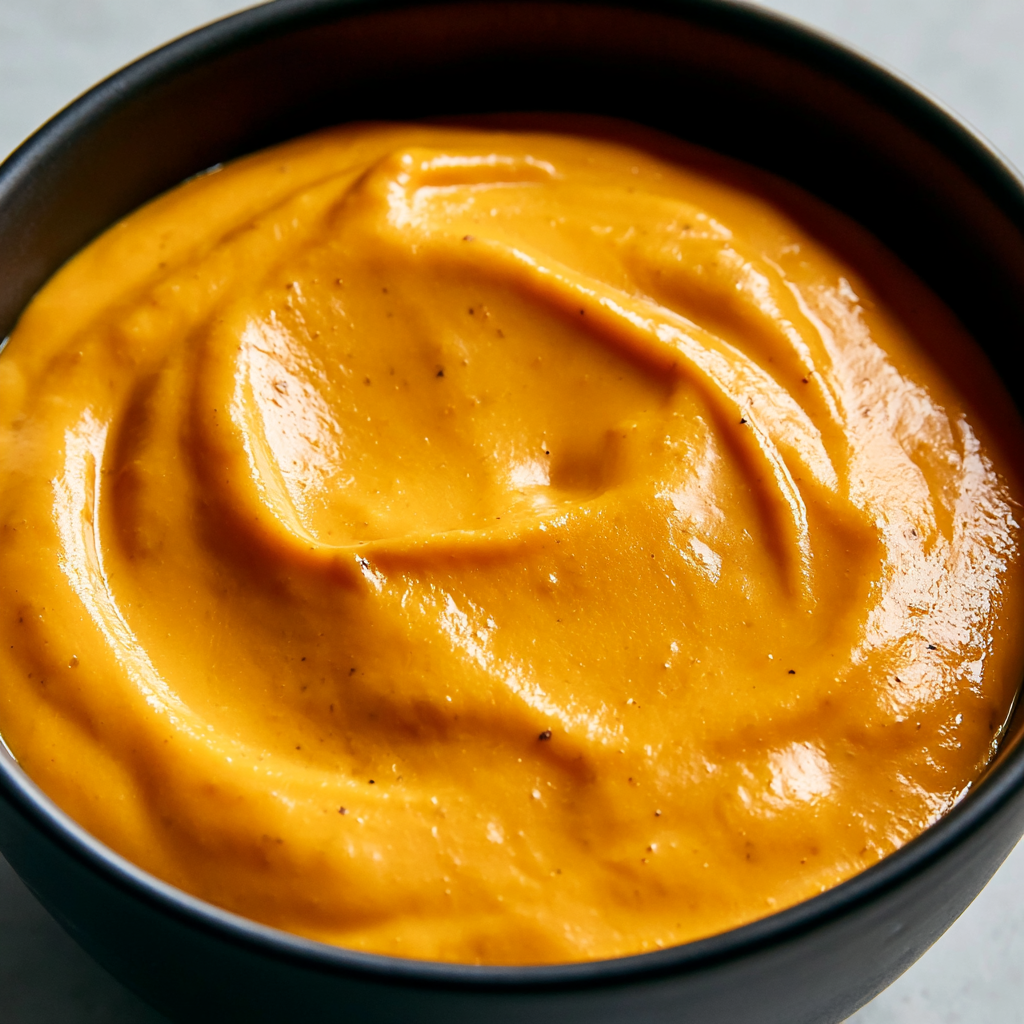
This is the kind of pasta I recommend when you want something cozy but still practical enough for a regular dinner. Most of the flavor develops in the oven while the vegetables roast, so there is very little hands-on cooking once everything is chopped.
Pumpkin or butternut squash gives the sauce its naturally creamy base, while roasted tomatoes and red bell pepper keep that sweetness balanced. Garlic adds savory depth, and plant-based cream helps everything blend into a velvety sauce that clings especially well to penne, fusilli, and other short pasta shapes.
The timing is convenient too. Start cooking the pasta during the last few minutes of roasting, blend the vegetables while the pasta drains, and everything comes together without needing a separate sauce simmering on the stove.
Pumpkin Pasta Sauce Ingredients
Pumpkin or winter squash: About 21.2 ounces of cubed pumpkin, butternut squash, or another flavorful winter squash forms the thick, creamy foundation of the sauce.
Red bell pepper: Roasting the pepper concentrates its mild sweetness and adds another layer of vegetable flavor to the blended sauce.
Tomatoes: Three small tomatoes or one large tomato contribute moisture and a gentle acidity that balances the naturally sweet squash.
Garlic: Four roasted garlic cloves give the sauce a mellow savory flavor without the sharper bite of raw garlic.
Plant-based cooking cream: About 7 ounces of oat, soy, or another dairy-free cooking cream makes the roasted vegetables smoother and richer once blended.
Olive oil: A few tablespoons help the vegetables roast evenly and encourage light caramelization around their edges.
Dried pasta: Fourteen ounces of penne, fusilli, or another sturdy pasta gives the creamy sauce plenty of surface area to coat.
Fresh herbs: Parsley provides a fresh finish, while sage is particularly good if you want a more autumn-inspired flavor.
Vegan feta and walnuts: These optional finishing ingredients provide salty contrast and a little crunch against the silky sauce.

Cooking Steps
STEP 1: Heat your oven to 392°F (200°C). Seed the pumpkin or winter squash and cut it into fairly even cubes so the pieces roast at approximately the same speed. Chop the red bell pepper and tomatoes into manageable pieces and prepare the garlic cloves.
STEP 2: Place the squash, bell pepper, tomatoes, and garlic in a baking dish. Drizzle with 2 to 3 tablespoons of olive oil and season with salt and freshly ground black pepper. Toss lightly so the vegetables are coated rather than sitting in excess oil.
STEP 3: Roast the vegetables for about 30 minutes. They are ready when the squash is tender enough to blend easily and the edges of the vegetables have begun to brown lightly. This caramelization is important because it gives the finished sauce more depth than simply boiling the vegetables would.
STEP 4: During the last 5 to 10 minutes of roasting, bring a large pot of generously salted water to a boil. Cook the pasta according to its package directions until al dente. Before draining, save a little pasta cooking water in case you need to loosen the sauce later.
STEP 5: Let the roasted vegetables cool just enough to handle safely, then transfer them to a blender. Add the plant-based cream and blend until completely smooth. Taste and adjust the salt and black pepper. If the mixture seems unusually thick, blend in a small splash of water.
STEP 6: Return the drained pasta to its pot or place it in a large serving bowl. Pour in enough of the roasted pumpkin sauce to generously coat the pasta, then toss until the sauce reaches all the grooves and edges. Add reserved pasta water a little at a time if you prefer a looser consistency.
STEP 7: Divide the pasta between bowls and finish with chopped parsley or sage. Add crumbled vegan feta and toasted walnuts if desired, followed by chili flakes when you want a gentle touch of heat. Serve while the pasta and sauce are still warm and creamy.
Helpful Tips
- Cut the squash into similarly sized pieces. Very large cubes may still be firm when the tomatoes and peppers are already fully roasted.
- Blend longer than you think you need to. An additional 30 seconds or so can make the difference between a slightly textured vegetable sauce and a particularly silky one.
- Keep some pasta water before draining. The sauce naturally thickens because of the pumpkin, and a splash of starchy water helps loosen it without diluting the flavor too much.
What to Serve with Pumpkin Pasta
A simple green salad is one of the easiest pairings. Crisp greens and a lightly acidic dressing provide a fresh contrast to the creamy roasted vegetable sauce without competing with its flavors.
Roasted or sautéed green vegetables also work well. Try broccoli, Brussels sprouts, green beans, or asparagus when you want to turn the pasta into a more substantial vegetable-forward dinner.
For something especially simple, serve the pasta with warm crusty bread. It is useful for picking up any pumpkin sauce left at the bottom of the bowl and keeps the meal satisfying without adding another complicated side dish.
Can I use butternut squash instead of pumpkin?
Yes. Butternut squash is an excellent choice because it roasts well and becomes very smooth when blended. Other firm, sweet winter squashes can work too. Whichever variety you choose, make sure the flesh is fully tender before blending so the finished sauce does not become grainy.
What pasta shape works well with this sauce?
Short shapes such as penne and fusilli are particularly useful because the thick sauce settles into their ridges, curves, and hollow centers. Rigatoni would also work nicely. Long pasta can still be used, although you may need a little more reserved cooking water to help the sauce coat the strands evenly.
How can I make the pumpkin sauce thinner?
Start with reserved pasta water rather than adding a large amount of plain water. Stir in a splash at a time until the sauce reaches the consistency you like. Pasta water contains starch, so it helps loosen the pumpkin mixture while keeping the sauce cohesive and creamy.
Do I need to peel the pumpkin before roasting?
That depends on the type of squash you are using. Butternut squash is typically peeled before cubing. If you use another winter squash with an edible, tender skin, peeling may not always be necessary, but removing a tough skin will generally produce the smoothest blended pasta sauce.

Can I make the sauce ahead of time?
Yes. You can roast and blend the vegetables ahead, then refrigerate the sauce separately from the pasta. When you are ready to eat, warm the sauce gently and loosen it with a little water before combining it with freshly cooked pasta. Keeping them separate gives you better texture than storing everything already mixed.
Keeping Leftovers Fresh
Store leftover pasta in a covered container in the refrigerator for about 3 to 4 days. Because the sauce continues to thicken as it sits, it may look considerably denser the next day.
Reheat individual portions gently on the stovetop or in the microwave. Stir in a small splash of water or plant-based cream before heating, then add a little more if necessary once the pasta is warm. Gentle reheating helps keep the sauce creamy instead of allowing it to dry around the pasta.
For longer storage, freeze the pumpkin sauce separately whenever possible. Transfer the cooled sauce to a freezer-safe container and freeze it for up to about 2 to 3 months. Thaw it overnight in the refrigerator, reheat gently, and whisk or stir well before tossing it with freshly cooked pasta.
The walnuts, herbs, vegan feta, and chili flakes are best added after reheating rather than before storage. Fresh toppings restore the contrast that makes this creamy roasted pumpkin pasta especially satisfying: smooth sauce, tender pasta, fresh herbs, salty feta, and a final bit of nutty crunch.
Pumpkin Pasta Sauce
Ingredients
For the Roasted Pumpkin Sauce
- 4 garlic cloves left whole until prepared for roasting
- 7 oz plant-based cooking cream such as oat or soy cream
- 1 red bell pepper
- Salt and freshly ground black pepper as needed
- 3 small tomatoes or 1 large tomato
- 2 –3 tbsp olive oil preferably extra-virgin
- 21.2 oz pumpkin or winter squash such as butternut, seeded and cut into cubes
For the Pasta and Garnishes
- Fresh parsley or sage finely chopped as desired
- 14 oz dried pasta such as fusilli or penne
- Vegan feta cheese for topping
- Chili flakes optional
- Walnuts preferably toasted, for serving
Instructions
- Preheat the oven to 392°F (200°C).
- Wash the pumpkin or winter squash, cut it in half, remove the seeds, and dice the flesh into cubes. Wash the red bell pepper, remove its seeds, and cut it into pieces.
- Rinse the tomatoes, remove the stem area, and cut them into quarters. Peel the garlic cloves.
- Transfer the squash, bell pepper, tomatoes, and garlic to a baking dish. Drizzle everything with 2–3 tablespoons of olive oil, then season lightly with salt and black pepper.
- Roast for approximately 30 minutes, or until the vegetables are soft and have developed slight caramelization around the edges.
- During the final 5–10 minutes of the vegetable roasting time, bring a large pot of well-salted water to a boil.
- Add the 14 oz dried pasta and cook according to the package directions until al dente, timing it so the pasta finishes at roughly the same time as the roasted vegetables.
- Allow the roasted vegetables to cool briefly after removing them from the oven.
- Place the vegetables in a blender, or transfer them to a suitable container for an immersion blender. Add the 7 oz plant-based cream.
- Blend thoroughly until the mixture becomes completely smooth and creamy.
- Taste and adjust the seasoning with additional salt and black pepper if necessary. If the sauce is thicker than desired, blend in a small quantity of water until the preferred consistency is reached. Continue blending a little longer for an especially silky texture.
- Drain the cooked pasta and transfer it back to the pot or into a large serving bowl. Reserving a small amount of the pasta cooking water is useful in case the sauce requires thinning.
- Pour the creamy pumpkin sauce over the pasta and toss thoroughly until every piece is evenly coated. Add a splash of the reserved pasta water if a looser consistency is needed.
- Portion the pumpkin pasta into individual bowls or plates.
- Finish each serving with finely chopped parsley or sage, crumbled vegan feta, and walnuts. Sprinkle with chili flakes if additional heat is desired.