
No-Bake Butterscotch Cookies are a quick stovetop dessert with creamy caramel-like flavor, tender oats, crisp toffee bits, and pecans. They set at room temperature, making them practical when you need a simple treat without turning on the oven.
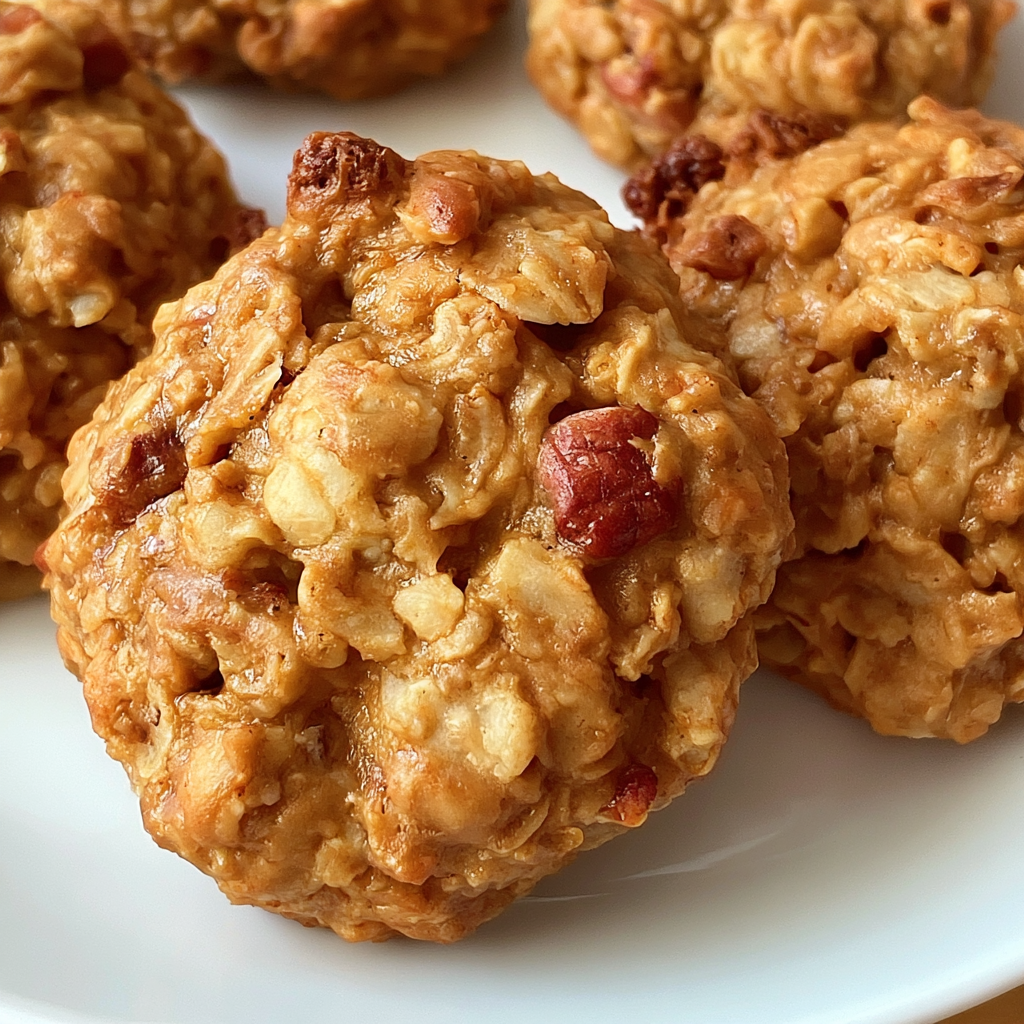
These cookies are especially useful when your oven is already occupied or you want a homemade dessert without managing several baking sheets. The mixture comes together in one saucepan, and each cookie is simply spooned onto wax paper to cool.
Butterscotch pudding gives the cookies their distinctive flavor while helping the oat mixture thicken. Chopped pecans add a gentle nutty crunch, and the toffee pieces create small crisp pockets throughout every bite.
The most important part is controlling the stovetop mixture. Let it reach a full rolling boil, remove it from the heat promptly, and allow it to cool briefly before adding the toffee. That simple timing keeps the cookies cohesive without melting all the crisp pieces.
Butterscotch Cookie Ingredients
Granulated sugar: Sweetens the cookies and creates the cooked syrup that binds the oats together.
Unsalted butter: Adds richness and helps produce a smooth, creamy base for the oat mixture.
Evaporated milk: Provides concentrated dairy flavor and enough moisture to dissolve the sugar without making the cookies watery.
Instant butterscotch pudding mix: Supplies the main butterscotch flavor while helping the warm mixture thicken as it cools.
Quick-cooking oats: Absorb the buttery syrup and give the cookies their tender, pleasantly hearty texture.
Toffee baking bits: Add concentrated caramel flavor and small pieces of crisp texture.
Finely chopped pecans: Bring a mild nuttiness and a gentle crunch that complements the sweet butterscotch.
Cooking Steps
STEP 1: Prepare your work area before beginning. Cover one or two large cookie sheets with wax paper and set them on a level surface. Once the oat mixture is ready, you will need to portion it without much delay.
STEP 2: Add the granulated sugar, unsalted butter, and evaporated milk to a medium saucepan. Place the pan over medium heat and stir continuously while the butter melts. Scrape around the bottom and edges so the sugar does not settle or scorch.
STEP 3: Continue cooking until the liquid reaches a full rolling boil. The bubbles should remain active across the surface even while you stir. Check that the sugar has dissolved and the mixture looks smooth and evenly combined.
STEP 4: Take the saucepan off the heat as soon as the proper boil is reached. Immediately add the quick-cooking oats and the dry butterscotch pudding mix. Stir firmly, reaching into the bottom and corners of the pan, until no visible streaks of dry pudding remain.
STEP 5: Let the mixture stand for several minutes. This short resting period allows the oats to absorb some of the liquid and gives the pudding mixture time to begin thickening. Stir it once or twice while it cools so the texture remains even.
STEP 6: Fold in the finely chopped pecans and toffee baking bits. Adding them after the initial cooling period helps more of the toffee retain its crisp texture instead of dissolving completely into the warm base.
STEP 7: Drop rounded spoonfuls of the mixture onto the wax paper. Leave a little room between the portions and work at a steady pace before the mixture becomes too firm. Allow the cookies to cool undisturbed at room temperature until completely set.

Why are my no-bake cookies too soft?
Soft cookies usually mean the sugar, butter, and milk mixture did not reach a strong enough boil or the cookies have not cooled long enough. Leave them at room temperature until fully firm. On humid days, transferring them to the refrigerator for a short period can help them finish setting.
Can I use old-fashioned rolled oats?
Quick-cooking oats are the more reliable option because they absorb the syrup quickly and create a cohesive cookie. Old-fashioned oats are thicker and may leave the cookies loose or unusually coarse. They can also require more time to soften than the warm mixture provides.
Keeping Leftovers Fresh
Once the cookies are completely cool, place them in an airtight container with wax paper between the layers. They can generally be kept at room temperature for four to five days when your kitchen is cool and dry.
For a firmer texture or a warmer kitchen, refrigerate them for up to one week. Let refrigerated cookies sit at room temperature for about 10 minutes before serving so the butter softens slightly and the butterscotch flavor becomes more noticeable.
These cookies can also be frozen. Arrange them in a freezer-safe container with parchment or wax paper between the layers and freeze for up to two months. Thaw only the number you need at room temperature. Reheating is unnecessary and may cause the toffee pieces to melt or the cookies to become greasy.
Helpful Tips
- Measure and arrange every ingredient before heating the saucepan because the oats and pudding must be added immediately after the cooked mixture comes off the heat.
- Chop the pecans finely so they distribute evenly and do not cause the cookies to break apart when lifted from the wax paper.
- If the mixture becomes too firm to scoop, stir it firmly to loosen it. Avoid adding extra milk, which can prevent the cookies from setting properly.
Serving Ideas for Butterscotch Cookies
Serve these cookies with cold milk for a simple after-school snack or casual dessert. The cool drink balances the buttery sweetness and soft oat texture.
For a coffee break, pair them with freshly brewed coffee or an unsweetened latte. The slightly bitter coffee flavor works particularly well with the caramel-like butterscotch and toasted pecans.
You can also arrange the cookies on a mixed dessert tray with less-sweet treats, fresh fruit, or plain shortbread. Their golden color and textured surface make them a distinctive addition without requiring frosting or decorations.
Why did my cookies become dry and crumbly?
The mixture may become dry when it is boiled too long or allowed to cool excessively before portioning. Extended cooking removes too much moisture, while a long resting period lets the oats absorb the syrup inside the saucepan. Begin scooping as soon as the mixture is thick enough to hold its shape.

Can I leave out the pecans?
Yes. The pecans provide extra texture, but they are not essential to the structure of the cookies. You can omit them without changing the remaining measurements. The finished cookies will be smoother and will place more emphasis on the butterscotch pudding and crisp toffee pieces.
How long do butterscotch oat cookies need to set?
The exact setting time depends on the size of the cookies, the temperature of your kitchen, and the weather. Most batches become firm within 20 to 30 minutes, although larger portions may take longer. Allow them to cool completely before stacking or transferring them to a storage container.
No-Bake Butterscotch Cookies
Ingredients
- 1 cup toffee baking bits
- 2/3 cup evaporated milk
- 1 package 3.4 ounces instant butterscotch pudding mix
- 3 1/2 cups uncooked quick-cooking oats
- 1/2 cup pecans finely chopped
- 2 cups granulated white sugar
- 3/4 cup unsalted butter
Instructions
- Place the granulated sugar, unsalted butter, and evaporated milk in a medium saucepan.
- Set the saucepan over medium heat. Stir continuously while the butter melts and the ingredients combine.
- Continue heating and stirring until the mixture reaches a full rolling boil. Confirm that the sugar has dissolved completely and the liquid appears evenly blended.
- Remove the saucepan from the heat. Immediately add the quick-cooking oats and dry butterscotch pudding mix.
- Stir thoroughly until the oats are completely coated and the pudding powder is distributed uniformly throughout the mixture.
- Allow the mixture to rest for several minutes. This brief cooling period will help it begin to thicken.
- Add the chopped pecans and toffee bits once the mixture has cooled slightly. Fold them in until they are evenly incorporated and the cookie mixture remains cohesive yet easy to portion.
- Cover a cookie sheet with wax paper.
- Drop individual spoonfuls of the mixture onto the prepared sheet, leaving enough room between each portion to prevent the cookies from touching.
- Leave the cookies at room temperature until they have cooled completely and become firm.