
Keto Lemon Cheesecake is a rich, low-carb lemon dessert with a tender almond shortbread base, smooth cream cheese filling, fresh citrus flavor, and a reliable make-ahead finish for holidays or special dinners.
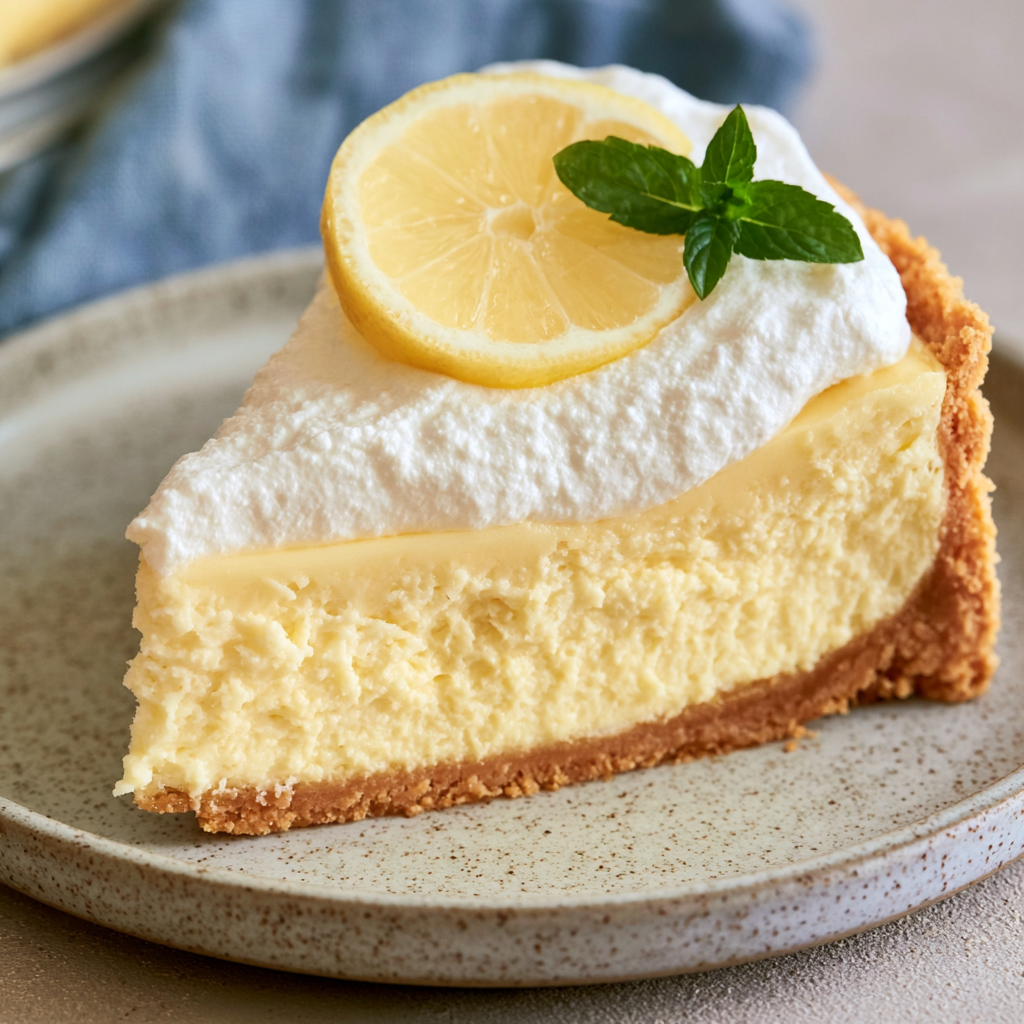
When you want a dessert that feels polished without requiring complicated decorating, this cheesecake is a dependable choice. The filling comes together in a blender, the crust needs only a brief pre-bake, and most of the remaining preparation time is hands-off.
Fresh lemon zest gives the cream cheese filling its strongest citrus aroma, while a small amount of lemon juice adds brightness without making the mixture too loose. Heavy cream softens the texture, and the lemon-almond crust creates a tender, lightly nutty base beneath every chilled slice.
The most important step is patience. A slight wobble in the center is expected when the cheesecake leaves the heat, and gradual oven cooling helps the filling settle gently. After a thorough overnight chill, the center becomes creamy, neatly set, and much easier to slice.
Lemon Cheesecake Ingredients
- Lemon-almond shortbread dough: Forms the tender, low-carbohydrate crust and adds another layer of citrus flavor beneath the filling.
- Full-fat cream cheese: Creates the rich body of the cheesecake and should be fully softened for smooth blending.
- Granulated erythritol: Sweetens the dessert while keeping it suitable for a keto-style menu.
- Large eggs: Give the filling enough structure to set during baking and chilling.
- Heavy whipping cream: Adds richness and helps produce a softer, creamier consistency.
- Fresh lemon zest: Supplies concentrated lemon fragrance without adding excess liquid.
- Fresh lemon juice: Brightens the filling and balances the richness of the dairy.
- Pure vanilla extract: Rounds out the citrus flavor and gives the filling a warmer finish.
Cooking Steps
STEP 1: Heat the oven to 350°F (175°C). Press the prepared lemon-almond shortbread dough firmly over the bottom of a 10-inch springform pan, then bring it approximately 1 inch up the sides. Keep the thickness as even as possible so the base bakes consistently.
STEP 2: Bake the crust for 10 minutes, just until it begins to set. It does not need to become deeply browned because it will continue baking beneath the filling. Remove the pan from the oven and reduce the temperature to 325°F (163°C).
STEP 3: Add the softened cream cheese, granulated erythritol, eggs, heavy cream, vanilla extract, lemon juice, and grated zest to a blender. Blend until the mixture looks completely smooth, pausing once to scrape down any cream cheese clinging to the sides.
STEP 4: Pour the filling over the warm pre-baked crust. Smooth the surface gently with a spatula, then tap the pan lightly against the counter to encourage larger air bubbles to rise and break.
STEP 5: Place the pan in the center of the oven and bake for approximately 80 minutes. The edges should look set and slightly puffed, while the center should still move with a small, controlled wobble when the pan is gently nudged.
STEP 6: Turn off the oven without removing the cheesecake. Open the oven door about 10 inches and leave the dessert inside for 1 hour. This slower temperature change allows the filling to settle and can reduce sudden sinking or cracking.
STEP 7: Transfer the pan to a heat-safe surface and let it finish cooling at room temperature. Once it is no longer warm, cover and refrigerate until thoroughly chilled, preferably overnight. Release the springform ring carefully, slice with a clean knife, and serve cold.

Helpful Tips
- Bring the cream cheese close to room temperature before mixing. Cold blocks are much harder to blend smoothly and may leave small lumps in the finished filling.
- Avoid judging doneness by firmness alone. The center should still have a slight wobble because it will continue setting during the oven-cooling and chilling stages.
- For cleaner portions, dip a sharp knife in hot water, wipe it dry, and clean the blade between cuts.
How do I know when the center is baked?
Look at the outer few inches first. They should appear set, while the middle still has a gentle jiggle rather than a liquid ripple. The cheesecake continues to firm as it cools in the switched-off oven and later in the refrigerator, so baking until the center is rigid may make it dry.
Why does the cheesecake need to cool in the oven?
A hot cheesecake can react poorly to an abrupt temperature change. Leaving it in the turned-off oven with the door partly open lets the heat fall gradually, giving the egg-based filling time to settle more gently and lowering the chance of a pronounced crack across the surface.
Can I prepare it the day before serving?
Yes. This dessert is particularly well suited to advance preparation because its texture improves after several hours in the refrigerator. Bake and cool it the day before, chill it overnight, and wait to release the pan or add optional whipped cream until shortly before serving.
Can I use a different keto sweetener?
A granulated keto sweetener formulated to replace sugar in equal amounts may work, but sweetness levels and aftertastes vary between products. For the most predictable result, use granulated erythritol as listed. Avoid liquid sweeteners unless the filling has been tested with the additional moisture.
What causes cracks on top?
Cracks can develop from overbaking, excess air in the filling, or cooling the dessert too quickly. Blend only until smooth, tap out visible bubbles, remove the active heat while the center still wobbles slightly, and follow the gradual oven-cooling period before moving the cheesecake to room temperature.
Perfect Pairings
A spoonful of lightly whipped cream is the simplest topping and complements the tart lemon notes without hiding them. Keep the garnish modest so the filling remains the focus.
Fresh raspberries or strawberries make a bright accompaniment to each slice, especially when you want a little color and a naturally tart contrast. Serve them plain rather than heavily sweetened.
For drinks, pair the cheesecake with hot coffee, unsweetened tea, or a chilled espresso. Their slight bitterness balances the richness of the cream cheese and helps the lemon flavor feel even fresher.

Keeping Leftovers Fresh
Keep leftover cheesecake refrigerated in a tightly covered container or under secure food wrap. For the best texture and flavor, enjoy it within four to five days. Return slices to the refrigerator promptly rather than leaving the whole dessert at room temperature for an extended period.
For longer storage, freeze individual slices after they are fully chilled. Place the portions on a lined tray until firm, then wrap each one well and transfer them to a freezer-safe container. They can be frozen for approximately one month without a major loss of quality.
Thaw frozen slices overnight in the refrigerator. Cheesecake does not need reheating and is best served cold or allowed to stand at room temperature for roughly 10 to 15 minutes before eating. Avoid microwaving it, which can soften the filling unevenly and make the crust lose its tender structure.
Keto Lemon Cheesecake
Ingredients
For the Crust
- 1 prepared batch lemon-almond shortbread dough
For the Cheesecake Filling
- 4 large eggs
- 1 tablespoon freshly grated lemon zest
- ⅓ cup heavy whipping cream
- 1¼ cups granulated erythritol sweetener such as Swerve
- 1 teaspoon pure vanilla extract
- 4 packages full-fat cream cheese 32 ounces total, softened to approximately 70°F
- 1 teaspoon freshly squeezed lemon juice
Instructions
- Preheat the oven to 350°F (175°C).
- Press the lemon-almond shortbread dough firmly and evenly across the base of a 10-inch springform pan. Extend the dough approximately 1 inch up the inner sides of the pan to create a shallow crust edge.
- Bake the crust for 10 minutes, or until it begins to set. Remove the pan from the oven.
- Lower the oven temperature to 325°F (163°C).
- Place the softened cream cheese, erythritol sweetener, eggs, heavy cream, vanilla extract, lemon juice, and grated lemon zest in a blender.
- Blend on high speed for approximately 2 minutes, stopping once to scrape down the sides as needed. Continue blending until the filling is completely smooth and free of lumps.
- Pour the prepared filling over the pre-baked crust. Use a spatula to level the surface.
- Gently tap the springform pan to release any visible air bubbles trapped in the filling.
- Position the cheesecake in the center of the oven and bake at 325°F (163°C) for 80 minutes. The outer portion should appear set, while the center should retain a slight wobble.
- When the baking time has finished, turn off the oven and leave the cheesecake inside.
- Open the oven door approximately 10 inches and allow the cheesecake to cool in the oven for 1 hour. This gradual decrease in temperature helps reduce the likelihood of surface cracks.
- Remove the cheesecake from the oven and allow it to continue cooling at room temperature.
- Transfer the cooled cheesecake to the refrigerator and chill thoroughly, preferably overnight.
- Release the cheesecake from the springform pan, cut it into slices, and serve cold.