
Creamy, rich, and ready in minutes, Homemade Alfredo Sauce is the weeknight indulgence that fits both classic pasta cravings and low-carb bowls.
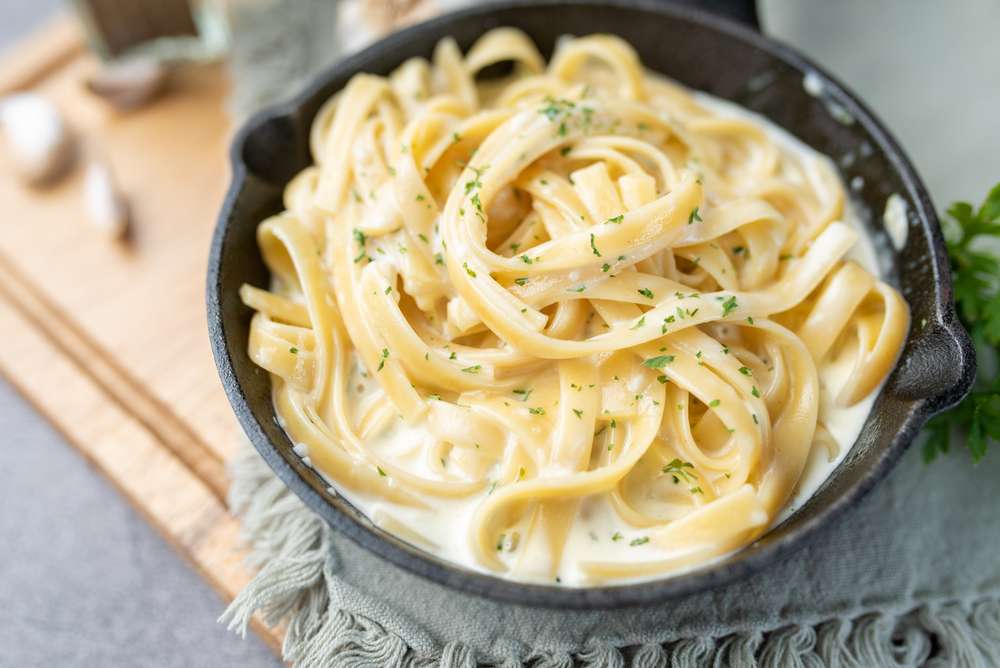
Butter, cream, garlic, and two bold cheeses melt into a glossy blanket that clings to noodles or zoodles without fuss. With only pantry staples and fresh grating, you’ll taste restaurant depth in a 15-minute pan.
This version leans on technique, not thickeners, for body and sheen. The secret is balancing gentle heat with freshly grated Parmesan and Asiago so the sauce stays velvety, never grainy.
Serve immediately over hot pasta, spoon onto seared chicken, or toss with quick-microwaved zucchini noodles for a keto-friendly plate. It still feels luxurious and comforting.
Ingredients That Make Homemade Alfredo Sauce Shine
- Butter — lays the silky foundation and rounds sharp cheese edges.
- Heavy cream — reduces to a luscious body without flour or starch.
- Fresh garlic — perfumes the sauce; just a quick sauté to stay sweet.
- Parmesan — nutty backbone that melts smooth when freshly grated.
- Asiago — boosts savory depth and helps the sauce thicken naturally.
- Salt & black pepper — finish and balance; season thoughtfully.
Cheese Quality Determines Creaminess
Great Alfredo stands on the cheese. Blocks of Parmesan and Asiago melt cleaner than pre-shredded bags, which often contain starches that resist smooth blending.
Grate them fine so they disappear quickly into hot cream. Add small handfuls, stirring until each addition fully melts before adding more.
This slow, steady incorporation prevents clumping and creates a glossy, elastic body.
If you need to swap cheeses, Pecorino Romano works, but it’s saltier—balance with unsalted butter and taste before adding extra salt.

Weeknight Method: Homemade Alfredo Sauce, Step by Step
Melt butter with minced garlic in a wide skillet over medium heat. Pour in heavy cream and bring just to a gentle simmer.
Add finely grated Parmesan and Asiago gradually, stirring until smooth and lightly thickened. Season with salt and pepper.
Toss immediately with hot, drained pasta—or well-dried zoodles—for the best cling and texture.
Gentle Heat Preserves a Silky Emulsion
Dairy fat, water, and cheese proteins form a delicate emulsion that breaks under aggressive heat. Keep the sauce at a friendly simmer, not a boil, and remove the pan from direct heat before the final handfuls of cheese.
Residual warmth is enough to finish the melt. If the sauce thickens more than you’d like, whisk in a splash of warm cream to loosen it.
If it’s thin, let it bubble softly in a wide pan to reduce; surface area is your ally.
Recipe Tips & Easy Variations
Use a wide skillet so cream reduces quickly and evenly. Cook pasta first so it’s piping hot when the sauce is ready.
Alfredo firms as it cools. For low carb, microwave zoodles in brief bursts, then drain and pat completely dry so they don’t water down the sauce.
A pinch of nutmeg, a crumble of crispy pancetta, or a handful of chopped parsley can personalize the flavor without complicating the method.
Serve fast—the texture is at its peak right off the stove.
Seasoning Starts With Salty Cheese, Not the Shaker
Parmesan and Asiago bring significant salt. Always taste after the cheese is fully melted and the sauce has reduced.
Salinity concentrates as moisture evaporates. If you overshoot, stir in a knob of unsalted butter or a spoonful of cream to soften the edges.
Freshly cracked pepper adds gentle warmth—go light first, then adjust once the sauce coats your pasta, when seasoning is easiest to judge.

Storing, Freezing & Reheating Without the Fuss
Alfredo keeps well in the fridge for 3–4 days. Cool quickly, then store in a shallow container to minimize separation.
Freezing is possible, though the texture may turn slightly grainy. If you do freeze, portion into small airtight containers to reduce thaw cycles.
Reheat slowly over low heat with a splash of cream, whisking until glossy. Toss with hot pasta or warm zoodles so the sauce loosens naturally on contact.
Low, Moist Heat Prevents Splitting on Reheat
High heat makes cheese seize and fat separate. Warm leftovers gently in a small saucepan or microwave at 50% power in short bursts, stirring between each.
A tablespoon or two of cream—or even hot pasta water if you’re not low-carb—helps the emulsion re-form. Finish with a tiny grate of fresh Parmesan to restore sheen, and serve immediately so the texture stays supple.
Frequently Asked Questions
Which pasta shapes pair best?
Long strands like fettuccine or tagliatelle catch the sauce beautifully, but short shapes with nooks—like rotini—also cling well. For low carb, thoroughly dried zoodles or spaghetti squash strands work best.
Can I make it without garlic?
Yes, you can. The sauce will taste purer and more cheese-forward; consider a whisper of nutmeg or white pepper for aroma without overshadowing the dairy.
How can I scale the recipe for a crowd?
Use a wider pan rather than a deeper one to keep reduction efficient. Increase ingredients proportionally but add cheese gradually; larger batches need a bit more time to melt smoothly.
Is this sauce gluten-free and keto-friendly?
It’s naturally gluten-free and low in carbs when served over zoodles, spaghetti squash, or protein like grilled chicken. Stick to freshly grated cheeses and avoid thickening with flour to keep it keto-friendly.
Alfredo Sauce
Ingredients
- 130 grams of finely grated Parmesan cheese roughly 2 cups
- A generous pinch of freshly cracked black pepper or as desired
- 3 teaspoons of finely minced fresh garlic
- 113 grams ½ cup of unsalted butter
- 500 milliliters 2 cups of heavy whipping cream
- A dash of sea salt adjusted to personal taste
- 100 grams 1½ cups of shredded Asiago cheese
Instructions
- If pairing with pasta, begin boiling your preferred noodles first, ensuring they are drained and kept hot so they’re ready to receive the sauce once it’s completed.
- To serve with zucchini noodles, spiralize one medium-large zucchini (7–8 inches in length), yielding approximately 4 cups of ‘zoodles’. Cut into shorter strands for easier serving.
- Place the zucchini strands in a microwave-safe bowl and cook in 30-second intervals for up to 2 minutes, checking for doneness. Avoid overcooking to maintain texture—zoodles should be just tender, not mushy.
- Drain any excess moisture thoroughly. Pat dry using kitchen towels to eliminate residual water that could otherwise thin the sauce upon mixing.
- In a broad, heavy-bottomed skillet set over medium heat, melt the butter along with the minced garlic, allowing it to gently infuse for a minute or two.
- Pour in the heavy cream, stirring constantly as the mixture warms. Allow it to reach a light simmer and bubble gently for 2–3 minutes.
- Gradually stir in the freshly shredded Parmesan and Asiago cheeses. Continue stirring as the sauce thickens and begins to simmer again, creating a smooth, cohesive texture.
- Taste the sauce and adjust seasoning with salt and freshly ground black pepper. Serve immediately over your choice of hot pasta or a low-carb base like zoodles or spaghetti squash.