
Creamy, rich, and dependable, this dutch oven mac and cheese combines tender pasta with a smooth sharp cheddar sauce and a generous mozzarella topping. It is comforting enough for weekends but straightforward enough for family dinners and holiday sides.
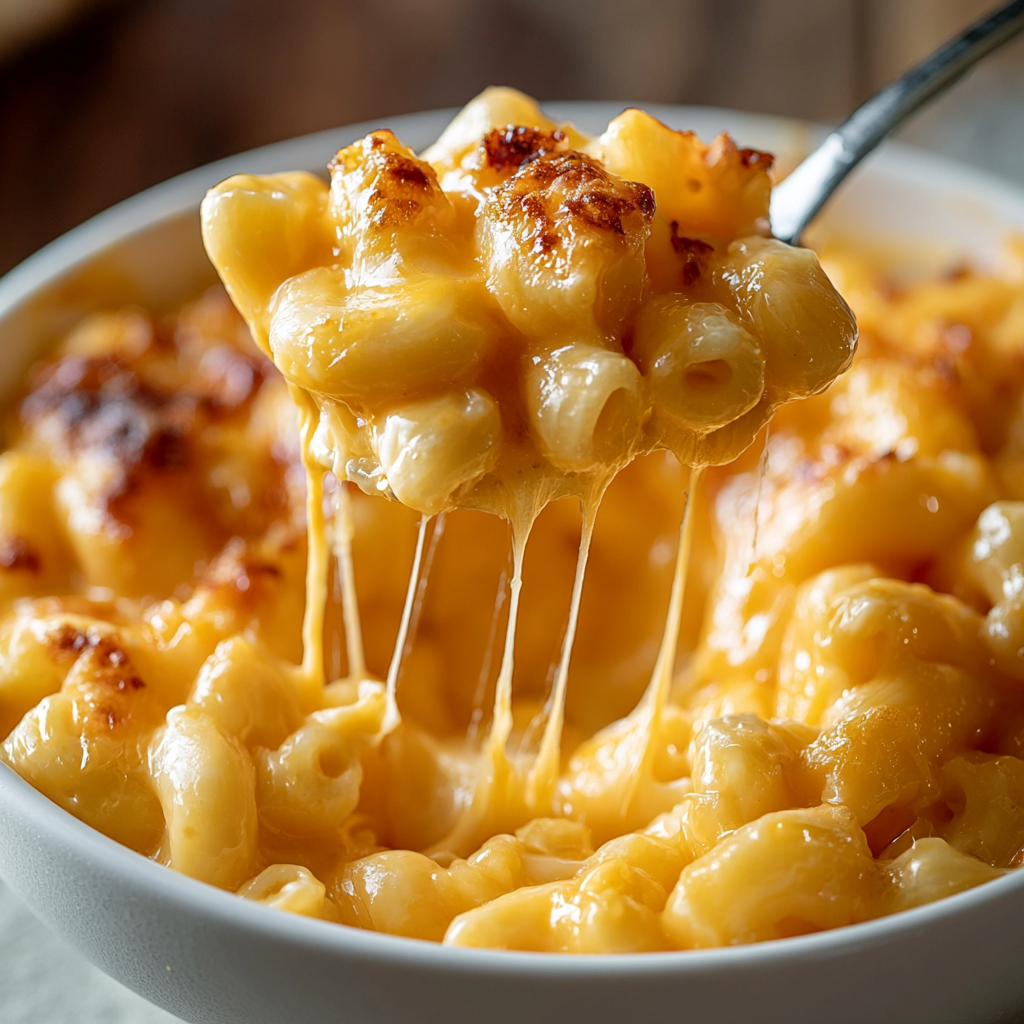
There is something especially satisfying about macaroni and cheese made from scratch. Instead of relying on a packaged sauce, you build a simple butter-and-flour base, whisk in milk and cream, and melt plenty of sharp cheddar directly into the pot. The result is a thick sauce that clings beautifully to every curve of the pasta.
Mozzarella adds a second layer of cheesy flavor while creating that bubbling, lightly golden surface everyone wants from baked mac and cheese. Using a Dutch oven also keeps cleanup manageable because you can prepare the sauce, combine it with the pasta, and bake everything in the same pot if yours is oven-safe.
This dish works particularly well for Sunday dinners, potlucks, Thanksgiving spreads, or anytime you need a hearty pasta side that can feed several people without complicated preparation.
Ingredients
You only need a handful of familiar ingredients to create a creamy cheese sauce and satisfying baked casserole.
- Dried pasta: Elbow macaroni is classic, while cavatappi gives the sauce plenty of curves and ridges to cling to.
- Sharp cheddar cheese: Provides the main cheesy flavor and melts directly into the cream sauce.
- Mozzarella cheese: Goes over the pasta before baking for a stretchy, melted topping with lightly browned edges.
- Unsalted butter: Forms the rich base of the roux and allows you to control the final salt level.
- All-purpose flour: Thickens the milk and cream so the cheese sauce coats the pasta instead of settling at the bottom.
- Whole milk: Loosens the roux and creates a smooth foundation for the sauce.
- Heavy cream: Adds extra richness and helps produce a luxurious, creamy consistency.
- Salt: Seasons both the sauce and cheese mixture.
- Garlic: Optional, but it adds a gentle savory note when briefly cooked in the butter.
- Fresh herbs: Thyme or chives can be added for a fresh herbal finish if desired.

Cooking Steps
STEP 1: Bring a large pot of water to a boil and cook the pasta for about one minute less than the package recommendation for al dente. Slightly undercooking it is important because the pasta continues to soften as the casserole bakes. Drain well and set it aside.
STEP 2: While the pasta cooks, grate the cheddar and prepare the mozzarella. Freshly grated cheese generally incorporates into a homemade sauce more smoothly. If you are including garlic, chop it finely so the flavor distributes evenly throughout the sauce.
STEP 3: Melt the butter over medium heat in your Dutch oven. Add the garlic, if using, and cook for about one minute, just until fragrant. Avoid allowing the garlic to become deeply browned.
STEP 4: Sprinkle the flour into the melted butter and whisk continuously. Continue cooking for one to two minutes. The mixture should resemble wet sand and take on a very light golden appearance. Cooking the roux briefly removes the raw flour taste while preparing it to thicken the dairy.
STEP 5: Slowly pour in the whole milk and heavy cream while whisking constantly. Adding the liquid gradually helps prevent lumps. Cook the mixture over medium heat, stirring frequently, until it becomes noticeably thicker and smooth enough to coat the back of a spoon.
STEP 6: Season the sauce with salt and any fresh herbs you are using. Reduce the heat and add the cheddar a handful at a time, stirring after every addition. Allow each portion to melt before adding more. Once all the cheddar is incorporated, the sauce should look smooth, rich, and creamy.
STEP 7: Fold the drained pasta into the cheese sauce until every piece is thoroughly coated. If your Dutch oven is oven-safe, you can leave everything right in the pot. Otherwise, transfer the mixture to a suitable baking dish. Scatter the mozzarella evenly across the surface.
STEP 8: Bake at 350°F for 25 to 30 minutes. The sauce should be bubbling around the edges and the mozzarella should be melted with light golden spots. Allow the macaroni and cheese to stand for a few minutes before serving so the sauce can settle slightly.
What to Serve with Dutch Oven Mac and Cheese
Because this dish is rich and creamy, sides with freshness or simple savory flavors make especially good companions.
- Roasted vegetables: Broccoli, Brussels sprouts, green beans, or asparagus provide a lighter contrast to the cheese sauce.
- Roasted or grilled chicken: A simply seasoned chicken dish turns the macaroni into part of a substantial family dinner.
- Fresh salad: A crisp green salad with a bright dressing helps balance the richness of the cheddar, cream, and mozzarella.
Can I make this mac and cheese ahead of time?
Yes. You can assemble the pasta and cheese sauce ahead of time, cover the dish, and refrigerate it until you are ready to bake. Because chilled pasta may absorb some of the sauce while it rests, make sure the mixture is generously coated before refrigerating.
If baking directly from the refrigerator, it may require a little additional oven time to become completely hot and bubbling in the center.
Why should I undercook the pasta before baking?
The pasta cooks a second time in the oven, so boiling it until completely tender can leave it overly soft after baking. Cooking it about one minute less than the package directions helps preserve its structure while still allowing it to absorb some of the creamy sauce.
This small step makes a noticeable difference in the finished texture.
How do I keep homemade cheese sauce smooth?
Add the dairy gradually while whisking the roux, then let the sauce thicken before adding the cheddar. When it is time for the cheese, add it gradually rather than dumping everything into the pot at once.
Moderate heat also matters. Extremely high temperatures can make melted cheese become greasy or uneven instead of remaining creamy.

Can I use cavatappi instead of elbow macaroni?
Absolutely. Cavatappi works particularly well because its curled shape and ridged surface catch plenty of sauce. Elbow macaroni gives you the familiar classic result, but either pasta is a good choice.
Whichever shape you select, keep the total amount at approximately one pound so the sauce-to-pasta ratio remains balanced.
Helpful Tips
- Grate the cheddar yourself when possible. Freshly grated cheese melts readily into the warm sauce and makes it easier to achieve an even consistency.
- Add cheese gradually. Stirring in one handful at a time gives each portion a chance to melt completely before more cheese goes into the pot.
- Watch the pasta carefully. Pulling it from the boiling water slightly early prevents the baked macaroni from becoming too soft.
How to Store & Reheat
Allow leftover mac and cheese to cool before transferring it to an airtight container. Refrigerate it for up to 3 to 4 days.
For larger portions, place the leftovers in an oven-safe dish, cover them, and warm at about 350°F until heated throughout. A small splash of milk stirred into the pasta before reheating can help loosen sauce that has thickened considerably in the refrigerator.
Individual servings can also be reheated in the microwave. Heat in short intervals, stirring between each round so the pasta warms evenly rather than becoming excessively hot around the edges.
For longer storage, freeze cooled portions in freezer-safe containers for up to about 2 months. Thaw them overnight in the refrigerator before reheating for the most even results. Keep in mind that dairy-based sauces can change slightly in texture after freezing, so refrigerated leftovers generally retain the creamiest consistency.
The combination of sharp cheddar in the sauce and mozzarella across the top makes this a satisfying baked mac and cheese without requiring complicated techniques. Once you become comfortable preparing the roux and adding the cheese gradually, it is an approachable dish you can confidently bring to family dinners, gatherings, and holiday tables.
Dutch Oven Mac and Cheese
Ingredients
For the Cheese Sauce
- 4 cups freshly grated sharp cheddar cheese
- 2 cups heavy cream
- 2 garlic cloves finely chopped, optional
- ½ cup all-purpose flour
- 2 teaspoons salt plus a small additional pinch if desired
- 2 cups whole milk
- ½ cup unsalted butter preferably a rich-flavored variety such as Kerrygold
- Fresh herbs of choice optional, such as thyme or chives
For the Casserole
- 2 –3 cups mozzarella cheese either cubed or shredded
- 1 pound dried pasta such as elbow macaroni or cavatappi
Instructions
- Bring a large pot of water to a full boil. Add the dried pasta and cook it for 1 minute less than the package directions specify for al dente pasta.
- Drain the cooked pasta thoroughly in a strainer and reserve it for later.
- While the pasta cooks, grate the cheddar and mozzarella cheeses and finely chop the garlic, if using.
- If using blocks of cheese, grate the cheddar and shred or cube the mozzarella. Finely chop the garlic cloves if they are being included in the recipe.
- Keep the prepared cheeses and garlic set aside until required.
- Using the same Dutch oven or large pot in which the pasta was cooked, melt the butter over medium heat.
- Add the chopped garlic, if using, and sauté it for approximately 1 minute, or just until fragrant.
- Add the flour to the melted butter and whisk continuously. Cook for approximately 1–2 minutes, until the roux develops a wet-sand consistency and becomes lightly golden.
- Gradually pour the heavy cream and whole milk into the roux while whisking continuously to keep the sauce smooth and free of lumps.
- Continue cooking over medium heat, stirring frequently, until the liquid thickens into a smooth, creamy sauce.
- Stir in the salt along with any optional herbs being used.
- Add the grated cheddar gradually, approximately one handful at a time. Stir thoroughly after each addition and allow the cheese to melt completely before adding the next portion.
- If desired, incorporate a small additional pinch of salt once the cheddar has melted to enhance the cheese flavor.
- Add the drained pasta directly to the hot cheese sauce. Stir gently until every piece of pasta is evenly coated.
- If the Dutch oven is not being used for baking, transfer the macaroni and cheese mixture to a suitable baking dish.
- Distribute the cubed or shredded mozzarella evenly over the surface.
- Bake at 350°F (175°C) for 25–30 minutes, or until the macaroni and cheese is bubbling and the mozzarella topping has begun to develop a light golden-brown color.
- For a more pronounced cheesy crust, allow the surface to become golden before removing the dish from the oven.
- Let the macaroni and cheese cool for a few minutes before serving.