
Cinnamon French Toast Biscuits turn day-old biscuits into a warm, buttery breakfast with crisp golden edges and tender centers. A cinnamon-vanilla custard makes them flavorful, quick to cook, and perfect for weekend mornings.
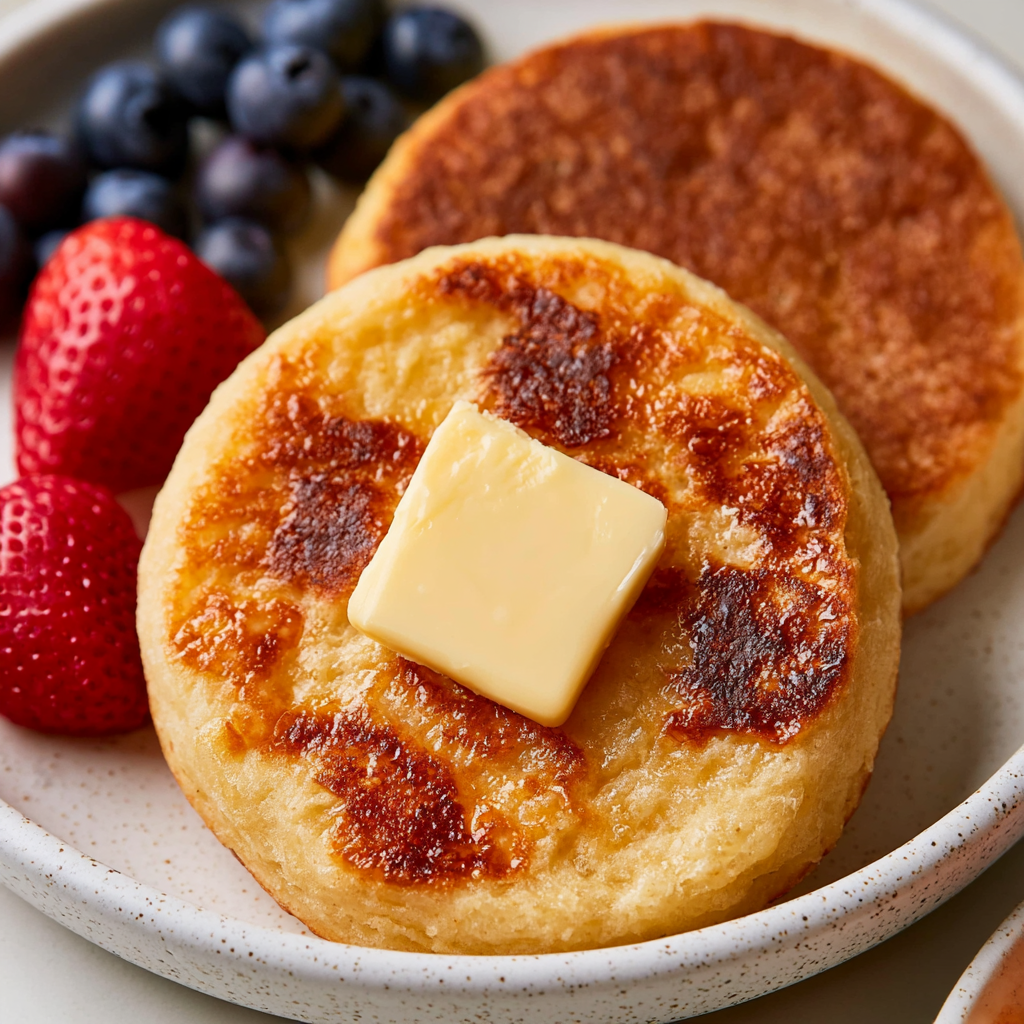
If you have leftover biscuits sitting in the kitchen, this is one of the simplest ways to give them a completely different second life. Instead of reheating them as-is, you slice them in half, let them soak up a lightly spiced egg custard, and cook them in butter just like traditional French toast.
The combination works especially well because day-old biscuits are slightly dry and sturdy. They absorb enough milk and egg to become tender inside without immediately falling apart when they hit the skillet. Cinnamon and vanilla add familiar French toast flavor while the butter helps the cut surfaces develop beautifully browned edges.
Serve these biscuit French toast pieces straight from the pan for breakfast or brunch. They are satisfying with nothing more than butter and syrup, but berries or other favorite French toast toppings can easily turn them into a more complete weekend breakfast.
Cinnamon French Toast Biscuits Ingredients
You only need a handful of familiar breakfast ingredients for this recipe. The biscuits themselves provide much of the richness, so the custard can stay wonderfully simple.
- Day-old baked biscuits: Eight biscuits provide the base of the dish. Biscuits that have rested overnight are ideal because they are firm enough to absorb custard without becoming overly soft.
- Large eggs: Four eggs create the structure of the French toast coating and help the soaked biscuit pieces set as they cook.
- Whole milk: Adds moisture and richness while thinning the eggs into a custard that can soak into the biscuits.
- Ground cinnamon: Gives each piece that classic warm French toast flavor.
- Vanilla extract: Adds a gentle sweetness and rounds out the cinnamon and buttery biscuit flavor.
- Butter: Used for frying the biscuits and, if you like, adding a little more richness when serving.

Cooking Steps
STEP 1: Slice all eight day-old biscuits horizontally through the middle. You should have 16 biscuit halves when finished. Place them on a plate while you prepare the custard.
STEP 2: Crack the eggs into a shallow bowl or another dish wide enough for dipping the biscuits. Pour in the whole milk, then add the vanilla and cinnamon. Whisk thoroughly until the yolks and whites are completely blended and the cinnamon is distributed throughout the liquid.
STEP 3: Place a large skillet over medium-high heat and add enough butter to coat the cooking surface. Let the butter melt and begin sizzling. Keep an eye on the heat because you want hot butter for browning without letting it burn.
STEP 4: Dip the biscuit halves into the cinnamon custard one at a time. Allow each piece to sit in the mixture for several seconds so the cut surface absorbs some liquid. Avoid leaving the biscuits submerged for too long, particularly if they are very soft.
STEP 5: Lift each soaked biscuit from the custard and let the excess drip back into the bowl. Arrange several pieces in the hot skillet, leaving enough room around them to turn them comfortably.
STEP 6: Cook the first side for about 2 to 3 minutes, watching for a deep golden color. Flip each biscuit half and continue cooking until the second side is browned and the egg mixture has cooked through.
STEP 7: Transfer the finished pieces to a plate and continue with the remaining biscuits. Add another small amount of butter between batches whenever the skillet begins to look dry. Serve immediately while the surfaces are still warm and crisp.
Helpful Tips
- Use biscuits that are slightly dry. Fresh, very soft biscuits can absorb the egg mixture too quickly and may become difficult to handle. A day of resting gives them a much sturdier texture.
- Keep the soaking brief. You want custard inside the biscuit without completely saturating it. Several seconds per piece is generally enough.
- Control the skillet temperature. If the outside browns before the custard cooks, lower the heat slightly for the next batch.
What should I do if the biscuits absorb too much custard?
Handle them gently and allow as much excess custard as possible to drip away before transferring them to the skillet. For your remaining biscuits, shorten the soaking time. Softer or fresher biscuits usually need only a very quick dip, while firmer day-old biscuits can sit in the mixture slightly longer.
Can I use fresh biscuits instead of day-old biscuits?
Yes, although day-old biscuits are easier to work with. Fresh biscuits contain more moisture and may soften quickly after being dipped. If fresh biscuits are all you have, use a very short soak and carefully support each piece as you move it into the skillet.
Why is my French toast sticking to the skillet?
The skillet may not have enough butter, or the butter may not have been hot enough before the soaked biscuits were added. Coat the surface well and let the butter begin sizzling first. You may also need to add fresh butter when cooking subsequent batches.
Can I prepare the custard ahead of time?
Yes. The egg, milk, cinnamon, and vanilla mixture can be whisked together ahead of cooking and kept covered in the refrigerator. Whisk it again before dipping the biscuits because some of the cinnamon may settle while the mixture stands.
Perfect Pairings
These biscuits are filling enough to be the centerpiece of breakfast, especially when served hot from the skillet. A few simple accompaniments can round out the plate without overpowering the cinnamon and vanilla flavors.
- Fresh berries: Strawberries, blueberries, raspberries, or a mixture of fresh fruit add a bright contrast to the buttery biscuits.
- Breakfast eggs: Scrambled or fried eggs give you a savory element alongside the sweeter French toast.
- Crisp breakfast potatoes: Potatoes are a particularly good choice when you are serving the biscuits as part of a larger brunch spread.
For a classic presentation, simply stack a few warm biscuit halves on each plate and finish them with butter and your preferred syrup. Because each biscuit is split before cooking, the pieces are smaller and easier to portion than thick slices of conventional French toast.

Keeping Leftovers Fresh
Cinnamon French toast biscuits are at their best immediately after cooking because that is when the outside is crispiest and the center is warm and tender. However, leftovers can still be saved successfully.
Allow cooked biscuit pieces to cool before placing them in an airtight container. Refrigerate them for up to about 3 days. Keeping them well covered prevents the biscuits from drying out and protects them from absorbing refrigerator odors.
For longer storage, arrange completely cooled pieces in a freezer-safe container or bag, separating layers when necessary so they do not freeze together. Freeze for up to 1 to 2 months for the best texture.
To reheat refrigerated biscuits, warm them in a skillet over moderate heat until heated through. This method helps restore some of the crispness that is lost during refrigeration. An oven or toaster oven also works well when reheating several pieces at once.
Frozen pieces can be thawed overnight in the refrigerator before reheating. Whichever method you choose, warm them only until the centers are hot so the biscuits stay tender rather than becoming overly dry.
These cinnamon French toast biscuits are especially useful when you have homemade biscuits left from dinner or brunch and do not want them to go unused. With a quick cinnamon custard and a few minutes in a buttered skillet, yesterday’s biscuits become an entirely different breakfast that’s warm, crisp, tender, and ready for your favorite French toast toppings.
Cinnamon French Toast Biscuits
Ingredients
- 3/4 cup whole milk
- 8 baked biscuits preferably homemade and one day old
- 1/2 teaspoon ground cinnamon such as McCormick
- 4 large eggs brought to room temperature
- Butter as needed for cooking and serving
- 1/2 teaspoon vanilla extract
Instructions
- Prepare the biscuits. Slice each of the 8 day-old biscuits horizontally through the center to create a top and bottom half. Place all 16 pieces aside until ready to soak.
- Prepare the custard. Add the eggs, whole milk, vanilla extract, and ground cinnamon to a mixing bowl. Whisk thoroughly until the mixture is smooth and evenly blended.
- Heat the skillet. Set a skillet over medium-high heat and add a generous amount of butter. Allow it to melt and spread across the entire cooking surface. The butter should be sizzling before cooking begins, but it should not be allowed to brown.
- Soak the biscuit halves. Dip the biscuit pieces into the prepared egg mixture one at a time. Leave each piece in the custard for several seconds so it can absorb some of the liquid without becoming overly saturated. Lift it out and gently shake away any excess mixture.
- Cook until golden. Arrange the soaked biscuit halves in the heated, buttered skillet without overcrowding the pan. Cook the first side for approximately 2–3 minutes, or until golden brown and set. Turn each piece over and cook the second side until similarly browned and cooked through. Work in batches as necessary, adding additional butter to the skillet between batches when needed.
- Serve immediately. Transfer the finished cinnamon French toast biscuits to serving plates while they are still hot. Add more butter if desired and serve with preferred toppings, such as syrup and fresh berries.