
Christmas Jam Canning combines tart cranberries, sweet strawberries, fresh orange, and cinnamon in a bright holiday preserve. It cooks quickly, works for refrigerator storage or canning, and makes a festive homemade gift.
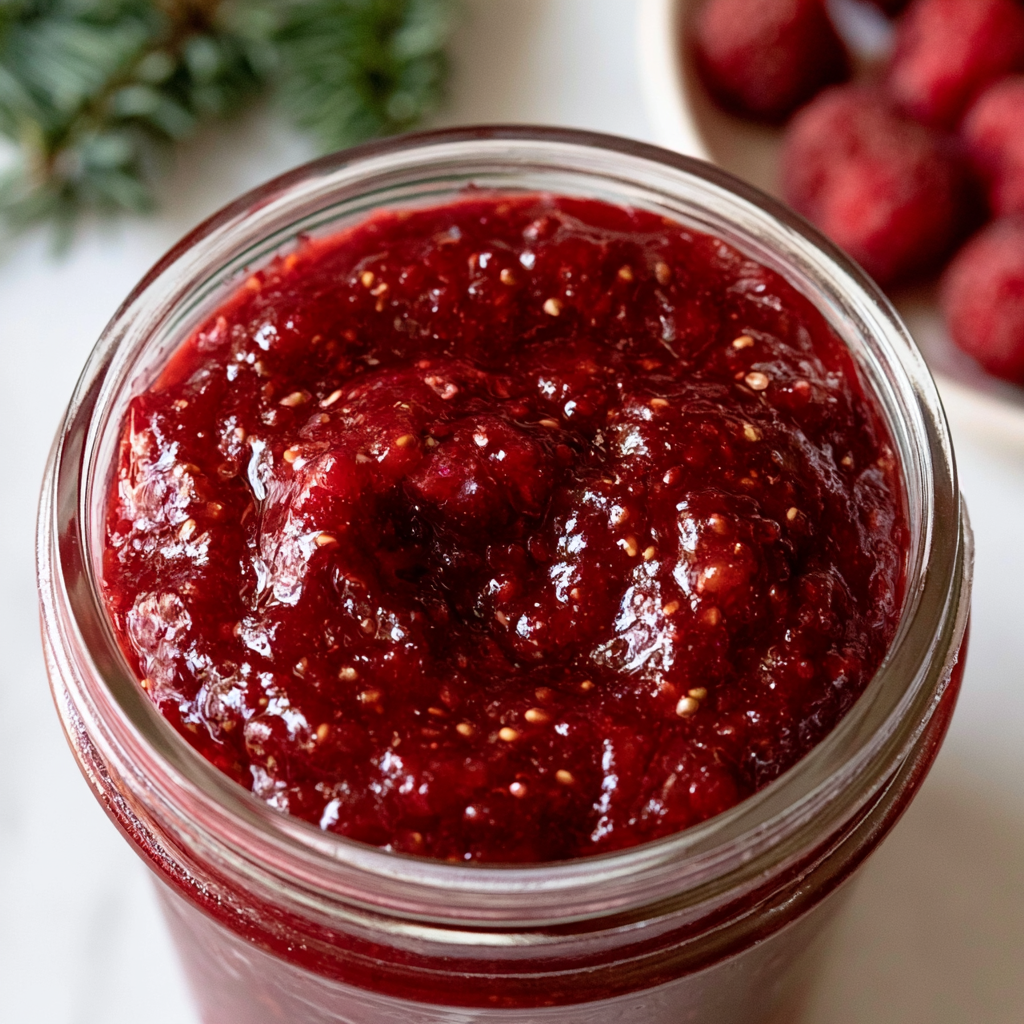
This colorful jam is a great choice when you want something seasonal that feels special without requiring a complicated ingredient list. Cranberries bring plenty of tartness, strawberries soften the flavor with natural sweetness, and fresh orange keeps the finished preserve lively rather than overly sugary.
The combination also works because each fruit contributes a different character. The cranberries soften and break down as they cook, the strawberries add a familiar jammy texture, and both orange zest and chopped orange provide fresh citrus flavor throughout the mixture.
A cinnamon stick gently infuses the fruit as it simmers, giving the jam a warm holiday note without overpowering the berries. Spread it over warm toast, spoon it onto biscuits, or tuck a few jars into your holiday gift baskets.
Christmas Jam Canning Ingredients
You only need a short list of fruit and pantry staples to make this festive preserve. Prepare everything before heating the pot so you can focus on stirring and checking the jam as it thickens.
- Fresh cranberries: Provide the tart, vibrant foundation of the jam and naturally soften as they simmer.
- Strawberries: Balance the sharper cranberries with sweetness and a softer berry flavor.
- Fresh orange: Chopped orange segments add juicy citrus flavor directly to the fruit mixture.
- Orange zest: Gives the jam a more concentrated orange aroma without requiring additional liquid.
- Granulated sugar: Sweetens the tart fruit and helps create the characteristic consistency of a fruit preserve.
- Cinnamon stick: Infuses the simmering fruit with gentle warming spice while remaining easy to remove before filling the jars.
- Water or orange juice: Gives the fruit enough initial moisture to begin cooking. Orange juice can be used when you prefer a stronger citrus flavor.
How to Make This Christmas Jam Canning
STEP 1: Rinse the cranberries and strawberries thoroughly. Hull the strawberries and cut them into smaller pieces so they soften quickly. Peel the orange, chop the segments, and finely grate the zest.
STEP 2: Add the cranberries, strawberries, chopped orange, and fresh zest to a large cooking pot. Pour in the water or orange juice and stir everything together so the fruit is evenly distributed.
STEP 3: Add the granulated sugar and cinnamon stick. Set the pot over medium heat and cook while stirring periodically. Allow the sugar to dissolve fully into the fruit juices before increasing the heat.
STEP 4: Bring the mixture to a boil, then reduce the heat until you have a steady, gentle simmer. Cook for about 10 to 15 minutes, stirring often enough to keep the fruit and sugar from catching on the bottom of the pan.
STEP 5: Check the consistency once the berries have softened and the liquid has thickened. Spoon a small amount onto a chilled plate. When the jam cools slightly and holds its shape instead of immediately running across the plate, it is ready to come off the heat.
STEP 6: Remove the cinnamon stick, then carefully ladle the hot preserve into prepared jars, leaving about 1/4 inch of headspace. Clean the rims carefully and secure the jars with appropriate two-piece canning lids.
STEP 7: If you are making refrigerator jam, allow the filled jars to cool before transferring them to the refrigerator. For shelf-stable jars, process them in a boiling-water canner for the time appropriate to your elevation, following tested home-canning procedures.

Why does Christmas jam sometimes seem thin while hot?
Fresh jam is usually softer immediately after cooking than it will be once completely cooled. The fruit mixture continues to settle and thicken as its temperature drops.
Use the chilled-plate test toward the end of cooking instead of judging the consistency directly in the hot pot. Avoid cooking indefinitely just because the jam initially looks loose, since excessive simmering can make the finished preserve overly firm.
Can I use orange juice instead of water?
Yes. The 1/4 cup of water can be replaced with orange juice. Water keeps the cranberry and strawberry flavors especially clear, while orange juice gives the finished jam a more noticeable citrus character.
Whichever option you choose, the small amount of liquid is primarily there to help the fruit begin cooking before it releases more of its own juices.
Perfect Pairings
This sweet-tart preserve is versatile enough to move beyond breakfast toast. A few simple pairings make it especially useful throughout the holiday season.
- Warm biscuits or toast: The simplest choice, especially while the jam is slightly cool and thick enough to spread generously.
- Pancakes or waffles: Spoon a little jam over the top when you want a fruitier alternative to syrup.
- Cheese and crackers: Serve the jam alongside mild or creamy cheeses as part of a holiday snack board. Its cranberry and orange flavors contrast nicely with savory foods.
Helpful Tips
- Grate the orange before peeling it. It is much easier to zest a whole orange than loose pieces of peel, and you can then prepare the segments immediately afterward.
- Stir more frequently as the jam thickens. The mixture becomes more likely to stick once moisture evaporates and the sugar concentration increases.
- Use fresh orange zest when possible. It provides noticeably stronger citrus aroma than relying on chopped orange alone.
Can I make this without canning the jars?
Absolutely. If you do not want to process the jam for shelf storage, prepare it as refrigerator jam instead. Transfer the cooked preserve into clean jars, allow it to cool, cover it, and keep it refrigerated.
This is an especially convenient option if you are making a smaller batch that will be served during the holidays rather than stored for many months.
How do I know when the jam is finished cooking?
The chilled-plate method is the simplest option for this recipe. Place a small spoonful of hot jam onto a cold plate and give it a moment to cool. If it thickens and holds its shape reasonably well, it is ready.
The card also uses 220°F as the sea-level temperature target, with lower finishing temperatures at higher elevations. Because elevation affects boiling temperatures, the plate test remains a useful visual check alongside temperature.
Can I prepare this jam for holiday gifts?
Yes. The cranberry, strawberry, orange, and cinnamon combination makes this preserve especially suited to holiday gifting. Make sure jars intended for shelf storage have been correctly processed and have formed a proper seal before giving them away.
For refrigerator jam, keep the jars chilled and make it clear to the recipient that the preserve needs to remain refrigerated.

Keeping Leftovers Fresh
If you are preparing refrigerator jam rather than canning it, let the jars cool and transfer them promptly to the refrigerator. Keep the preserve chilled and plan to enjoy it within a few weeks for the best quality.
Properly processed and successfully sealed jars can be kept in a cool, dark storage area. The recipe is intended for approximately 12 to 18 months of storage when the jars remain properly sealed and are stored under suitable conditions.
After opening any jar, refrigerate the remaining jam rather than returning it to pantry storage. Always check the seal and condition of a home-canned jar before opening and serving it.
For the water-bath method in the supplied recipe, jars are processed for 10 minutes, with a longer 15-minute processing time specified at elevations above 6,000 feet. Elevation matters in boiling-water canning, so use the processing guidance appropriate for your location rather than assuming one timing works everywhere.
Once the jars have cooled completely, check that each lid has sealed before moving the jars into storage. Refrigerate any jar that does not seal correctly instead of treating it as shelf-stable.
With its ruby-red fruit, fresh citrus aroma, and subtle cinnamon warmth, this Christmas jam is an especially useful preserve to have on hand during the holiday season. Whether you keep it in the refrigerator for breakfasts or prepare jars for longer storage, the combination of cranberry, strawberry, and orange gives you a festive spread that works just as well on morning toast as it does on a holiday cheese board.
Christmas Jam Canning
Ingredients
- 4 cups white granulated sugar
- Finely grated zest from 1 fresh orange
- 1 cinnamon stick preferably Saigon cinnamon
- 1 pound strawberries stems removed and fruit chopped
- 1/4 cup water or orange juice
- 12 ounces fresh cranberries
- Chopped fruit segments from 1 orange
Instructions
- Prepare the fruit. Rinse the fresh cranberries and strawberries thoroughly under cold running water. Remove the strawberry hulls and cut the berries into pieces.
- Peel the orange and chop the individual segments. Finely grate the zest from the orange.
- Place the cranberries, strawberries, orange pieces, and orange zest in a large cooking pot. Pour in 1/4 cup water or orange juice to provide enough liquid for the fruit to begin cooking.
- Incorporate the sugar and cinnamon. Add the granulated sugar and cinnamon stick to the prepared fruit mixture. Stir thoroughly to distribute the ingredients.
- Set the pot over medium heat and continue heating, stirring from time to time, until the sugar has dissolved completely.
- Cook the jam. Increase the heat and bring the fruit mixture to a boil. Once boiling, lower the temperature sufficiently to maintain a gentle simmer.
- Cook for approximately 10–15 minutes, stirring occasionally so the mixture does not stick to the bottom of the pot. As it cooks, the fruit will soften and break down while the liquid gradually thickens.
- Check the consistency by placing a small spoonful of jam onto a chilled plate. The jam is ready when it thickens sufficiently to hold its shape.
- Alternatively, check the temperature with an instant-read thermometer. At sea level, cook the jam to 220°F. For higher elevations, reduce the target temperature by 1°F for every 500 feet above sea level.
- Fill and process the jars. Once the jam reaches the desired consistency, take the pot off the heat.
- Carefully ladle the hot jam into sterilized canning jars, allowing 1/4 inch of headspace at the top of each jar. Wipe the rims clean and secure each jar with a two-piece canning lid.
- For shelf-stable storage, place the filled jars in a boiling-water bath canner and process for 10 minutes. At elevations above 6,000 feet, process the jars for 15 minutes.
- For refrigerator jam, transfer the finished preserve into jars, allow them to cool, and store them in the refrigerator instead of processing them in a water-bath canner.
- Cool and store. Leave the jars undisturbed at room temperature until completely cool. After cooling, inspect each jar to confirm that a proper seal has formed.
- Keep correctly sealed jars in a cool, dark storage area for up to 12–18 months. Refrigerate the jam after opening.