
Weeknight-friendly and wildly satisfying, this Chicken Teriyaki Recipe delivers lacquered, savory-sweet chicken with almost no fuss. A hot sear builds flavor fast.
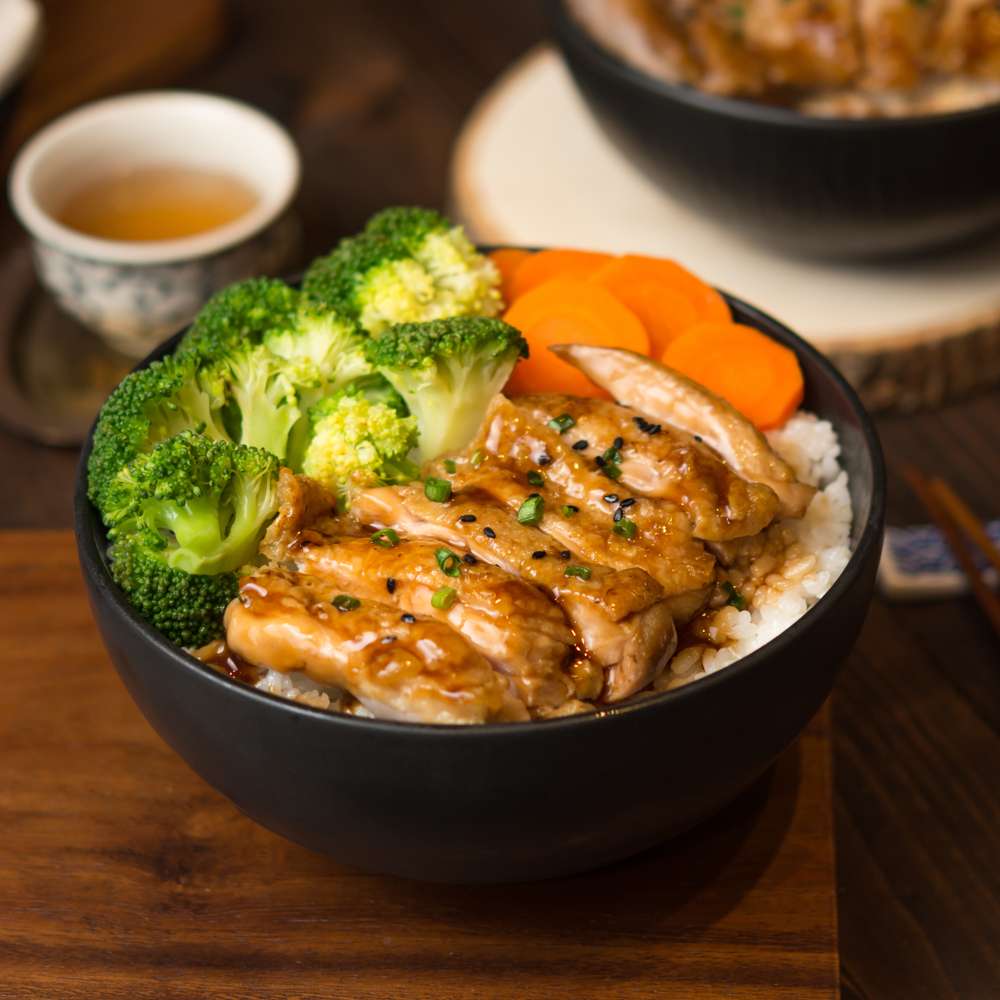
Then a classic teriyaki blend—mirin, sake, soy, water, and brown sugar—reduces to a glossy glaze that clings to every slice. Scoop it over steamed rice with a side of broccoli for a complete, comforting bowl.
In 20-ish minutes, you’ll go from pantry staples to restaurant-quality results. Balance is key.
Use enough sweetness to round out soy’s salinity, enough body to coat, and just enough heat to caramelize without burning. Follow the quick overview below, then use the tips throughout to fine-tune salt, thickness, and tenderness.
A full recipe card appears at the end of the post.
Ingredients for Chicken Teriyaki Recipe
- Boneless, skinless chicken thighs – richly flavored and forgiving; they stay juicy under high heat.
- Vegetable or canola oil – neutral, high-smoke-point fat for a deep, even sear.
- Mirin – gentle sweetness and sheen that define teriyaki’s signature finish.
- Sake – fragrant depth that lifts the sauce and balances sugar.
- Soy sauce or tamari – umami backbone and savory intensity.
- Brown sugar – rounds salinity and encourages caramel notes.
- Water – moderates salt so the glaze reduces without becoming harsh.
- Cornstarch – quick, heat-activated thickener for that shiny, clingy coat.
Sauce Balance and Salinity Stay in Check
Teriyaki shines when sweet, salty, and savory meet in balance. If your soy is particularly robust, the added water tempers salinity so you can reduce the sauce without overshooting.
Taste the simmering sauce before thickening. It should read slightly saltier than you want in the final dish since it will coat rice.
If it’s too bold, add a splash of water; too sweet, counter with a teaspoon more soy. Remember that sesame seeds and scallions add nuttiness and freshness, which can also soften the perception of salt.
How to Make Chicken Teriyaki Recipe (At a Glance)
Sear salted chicken thighs in hot oil, undisturbed, until deeply browned. Whisk the mirin, sake, soy, water, and sugar; pour into the pan and lively-simmer until the chicken is cooked through.
Transfer chicken out, whisk in the cornstarch slurry, and cook briefly to thicken. Slice the chicken, return it to the glossy sauce, and serve over rice with broccoli.

Thickening for a Glossy, Clingy Glaze
Cornstarch needs boiling heat to activate and only 20–40 seconds to reach full gloss. Whisk the slurry again right before adding so starch hasn’t settled, then stream it into the bubbling sauce while stirring.
If the glaze tightens too much, loosen with a tablespoon or two of water and simmer for a few seconds. If it’s still thin after 30 seconds at a boil, add another small splash of slurry.
Aim for a viscosity that lightly coats the back of a spoon and slowly drips—perfect for clinging to sliced chicken and rice.
Recipe Tips & Easy Variations
Sear in a wide skillet so thighs truly brown, not steam—space between pieces equals better flavor. If your sugar is dark, expect a deeper color; reduce the heat a touch to avoid over-caramelizing.
Doubling the sauce is popular for extra drizzle on rice; simply extend the simmer a minute longer before thickening. Tamari keeps the flavor gluten-free, and you can add a tiny knob of butter off heat for restaurant-style shine.
Garnish smartly: scallions for brightness, sesame for toastiness.
Chicken Thigh Searing and Slicing Elevate Tenderness
High heat plus undisturbed time builds crust that won’t tear when flipped. Once cooked, rest the thighs briefly so juices settle before slicing across the grain into 1/2-inch pieces.
Cutting after cooking exposes more surface for sauce to cling without drying the meat. If pieces are very uneven in thickness, lightly press them with a spatula during the first minute of searing to maximize contact.
Keep the pan at a lively simmer—not a furious boil—so the fibers relax and stay succulent.
How to Store Leftovers (Simple, Safe & Tasty)
Leftover chicken teriyaki keeps well for quick lunches. Cool completely, then refrigerate in an airtight container for up to 4 days.
Reheat gently on the stovetop with a tablespoon of water to reawaken the glaze without scorching. The sauce base can be made ahead and held in a sealed container at room temperature for up to 5 days.
Add the cornstarch only when you’re ready to cook.
Reheat Gently for Tender, Saucy Results
Vigorous heat can tighten the protein and thicken the glaze too much. Warm leftovers over low heat, stirring with a splash or two of water until the sauce loosens to a silky nappe.
Microwave in short bursts, pausing to stir so hot spots don’t overcook the edges. If the glaze tastes sharper after storage, add a pinch of brown sugar or a dab of butter.
This can restore balance and gloss right before serving.

Frequently Asked Questions (FAQ)
Can I make this without alcohol?
Yes.
Replace mirin with 1:1 seasoned rice vinegar plus an extra teaspoon of brown sugar. Swap sake with water or low-sodium chicken broth.
The flavor will be slightly less aromatic but still balanced and delicious.
Is this recipe gluten-free?
Use certified gluten-free tamari in place of soy sauce and ensure your cornstarch is labeled gluten-free. All other ingredients here are typically gluten-free.
Can I scale the recipe for a crowd?
Absolutely.
Sear chicken in batches to maintain browning, then combine in the pan before simmering with the sauce. Allow a little extra reduction time before adding the slurry so larger volumes don’t dilute flavor.
How do I make it spicy?
Stir in 1–2 teaspoons chili-garlic paste, gochujang, or a pinch of shichimi togarashi with the sauce. Add heat gradually; spicy notes become more pronounced as the glaze reduces.
Chicken Teriyaki
Ingredients
- 1 tablespoon neutral-flavored oil such as vegetable or canola
- 1½ pounds of boneless chicken thighs skin removed
- 1 teaspoon coarse kosher salt
- ⅓ cup sweet rice wine mirin
- ⅓ cup Japanese rice wine sake
- ¼ cup soy sauce or gluten-free tamari
- ¼ cup plain water
- 2 tablespoons packed brown sugar either light or dark
- 1 tablespoon cornstarch
- 1 medium green onion finely sliced (optional)
- Toasted white sesame seeds for topping (optional)
- Steamed white rice and lightly cooked broccoli to serve alongside
Instructions
- Warm 1 tablespoon of neutral oil in a wide skillet (about 12 inches across) over medium-high heat until it begins to shimmer.
- While the oil heats, pat dry 1½ pounds of boneless, skinless chicken thighs using paper towels. Evenly sprinkle with 1 teaspoon of kosher salt.
- Arrange the chicken thighs in the skillet in one layer. Allow them to sear without moving until the underside is deeply golden brown, about 4 to 6 minutes.
- As the chicken cooks, combine ⅓ cup mirin, ⅓ cup sake, ¼ cup soy sauce or tamari, ¼ cup water, and 2 tablespoons of packed brown sugar in a medium mixing bowl. Stir thoroughly until the sugar dissolves completely.
- Scoop out 2 tablespoons of this sauce into a separate small bowl. Stir in 1 tablespoon of cornstarch until fully blended and no lumps remain.
- Turn the chicken pieces over. Pour the remaining unsupplemented sauce into the pan. Let the liquid come to a boil, then reduce the heat to maintain an energetic simmer. Cook uncovered for another 5 to 10 minutes until the chicken is fully cooked through.
- Lower the heat to medium. Using tongs, remove the chicken and transfer it to a clean cutting board. Re-stir the cornstarch mixture briefly to recombine. While whisking the pan sauce constantly, drizzle in the cornstarch blend. Continue whisking as the sauce thickens, about 30 seconds. Remove from heat.
- Slice the chicken into ½-inch-wide strips and place them in a shallow dish or serving bowl. Pour the thickened glaze over the sliced meat. Top with finely sliced scallion and a sprinkle of sesame seeds if using.
- Serve promptly with hot steamed rice and tender broccoli florets on the side.