
Chilli Chicken is the crowd-pleasing Indo-Chinese appetizer that marries crisp, juicy chicken with a glossy, sweet-sour-spicy sauce. Think crunchy edges, tender centers, and a garlicky, bell-pepper perfume that begs to be piled next to fried rice or slippery noodles.
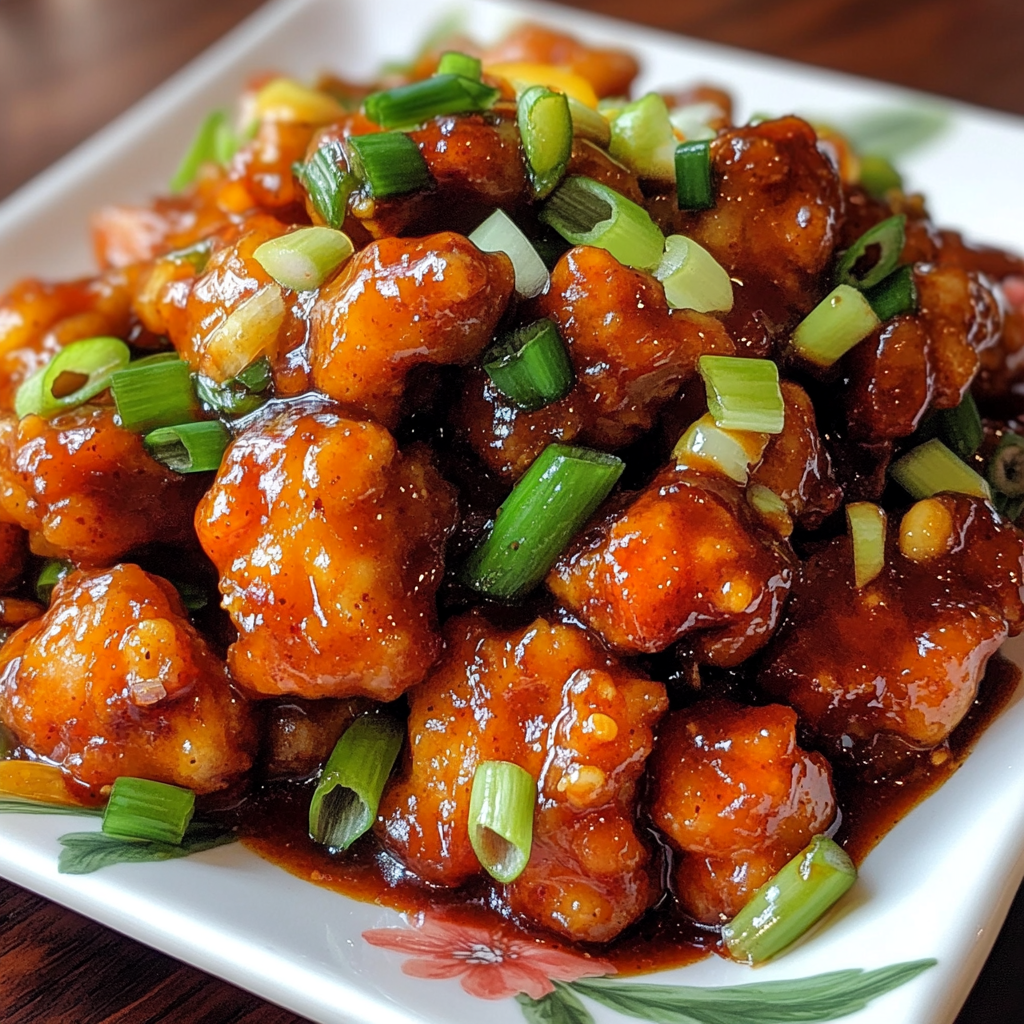
It’s fast to prep, easy to scale, and utterly addictive from first toss.
This version keeps the coating feather-light and shatteringly crisp. It finishes with a balanced glaze built from soy, red chilli sauce, ketchup, vinegar, and pepper.
You’ll shallow- or deep-fry in minutes, flash-toss with aromatics, and serve hot. Make it dry for snacks or saucier for dinner—both deliver restaurant flair at home.
Chilli Chicken, Deconstructed: Main Ingredients
- Boneless chicken – tender, quick-cooking base that stays juicy when fried right.
- Soy sauce – savory backbone that seasons the meat and glaze.
- Red chilli sauce (sweet & spicy) – signature heat, color, and gentle sweetness.
- Cornstarch + a touch of flour – ultracrisp shell with light body.
- Egg white (or water) – binds the coating and locks in moisture.
- Garlic, onion, bell pepper – aromatic crunch and fragrance.
- Tomato ketchup – tangy body that caramelizes for shine.
- Vinegar + sugar – bright-sour snap and balanced sweetness.
- Black pepper + mild chili powder – warm heat and brick-red hue.
- Spring onions – fresh, peppery finish.
- Neutral oil – steady frying and swift wok tossing.
Batter Ratio Drives Crunch and Juiciness
Aim for a thin, clinging coat rather than a heavy batter. Use roughly two parts cornstarch to one part flour.
Add just enough egg white or water to form a loose paste that barely coats each piece. Rest 10 minutes so the starch hydrates.
Fry at 170–175°C (340–350°F) in batches; the oil should bubble steadily, not violently. For extra shatter, refry briefly at 185°C (365°F).
Breast cooks quickly and stays neat. Thighs are more forgiving but need a touch longer.
Season the hot chicken with a pinch of pepper before saucing to amplify the crust’s flavor.
Flash, Toss, Serve: Chilli Chicken in Three Moves
Marinate-coat the chicken, then fry to golden and crisp. In a hot wok, sizzle garlic, add onions and peppers for just a minute, and pour in the mixed sauces.
Let it bubble to a glossy, lightly thickened glaze. Toss in fried chicken just to coat, finish with black pepper and spring onions, and serve immediately.
High Heat Wok Toss Preserves Texture and Shine
A ripping-hot pan is non-negotiable.
Preheat the wok until a wisp of smoke appears, then work fast: aromatics, veggies, sauce, chicken.
The glaze should thicken in under a minute. If it tightens too much, a tablespoon of water loosens it without dulling the shine.
Overcrowding cools the pan and softens the crust, so toss in small batches if needed.
Keep the vegetables crisp-tender—overcooking leaks water into the sauce.
Finish off the heat; residual warmth keeps everything glossy without overreducing.
Chef Notes & Easy Variations
Keep the chicken pieces uniform (about 2–3 cm) so they fry evenly.
If skipping egg, add a splash of water and let the coated chicken rest longer for a cohesive crust.
For a “dry” snack-style finish, use less sauce and a faster toss.
For a homestyle “gravy” version, loosen with water and a touch more ketchup and soy. Then simmer briefly before adding the chicken so the crust stays intact.

Flavor Balance Leans Sweet–Sour–Spicy
Your sauces decide the final profile, so taste and steer.
If your ketchup runs sweet, nudge acidity with a few extra drops of rice vinegar. If the chilli sauce is fiery, soften with a pinch of sugar or a spoon of ketchup.
Black pepper adds warmth without overwhelming heat, while Kashmiri chili or paprika deepens color with gentle bite.
Add spring onions at the end for freshness, and keep the salt light—soy already brings plenty.
Storing, Freezing, and Reheating Chilli Chicken
For best results, store components separately: hold fried chicken (un-sauced) and cooled sauce in airtight containers.
Refrigerate up to 3 days. If already sauced, expect some softening but the flavor remains great for 2–3 days.
Freeze fried chicken pieces plain for up to 2 months. Freeze sauce separately in small portions for easy weeknight meals.
Recrisping Without Overcooking
Spread plain fried pieces on a rack and reheat at 200°C/400°F until hot and crisp, about 5–7 minutes. For an air fryer, heat at 190–200°C/375–400°F for 4–6 minutes.
Warm the sauce in a skillet until glossy, then toss the chicken right before serving.
If reheating pre-sauced leftovers, re-crisp briefly in a hot oven or air fryer. Then spoon over freshly warmed sauce to restore snap without drying the meat.

Frequently Asked Questions (FAQ)
Can I bake or air-fry instead of deep-frying?
Yes.
Bake on a greased rack at 220°C/425°F for 20–25 minutes, flipping once and misting with oil.
Air-fry at 200°C/400°F for 10–12 minutes, shaking halfway; lightly oil the basket and chicken for best color.
Can I use chicken thighs?
Absolutely. Boneless thighs stay extra-juicy; trim well and cut to the same size as breast.
Fry a minute longer per batch and toss the same way.
How do I make it less spicy for kids?
Use a mild, sweet chilli sauce, skip chili powder, and rely on black pepper for warmth. Add more ketchup to round the heat and a splash of water to soften the sauce.
How can I reduce sodium without losing flavor?
Choose low-sodium soy, avoid extra salt in the coating, and balance with vinegar and a touch of sugar. A small splash of water in the sauce increases volume without oversalting.
Chilli Chicken
Ingredients
For the Chicken Coating and Frying
- Around ¼ cup cooking oil or more, as needed, for frying
- 2 to 3 tablespoons cornstarch white corn flour, preferably organic
- 1 egg white or approximately 2 tablespoons water as required for binding
- 1½ tablespoons all-purpose flour optional; preferably organic
- 250 grams ½ pound chicken breast, boneless and diced into bite-sized cubes
- ⅛ teaspoon fine salt or to preference
- ¼ teaspoon coarsely ground black pepper
- 1½ teaspoons red chili sauce choose a mild sweet-spicy version
- ¼ teaspoon Kashmiri red chili powder or red chili paste optional
- 1½ teaspoons naturally fermented soy sauce
For the Chilli Sauce
- ½ teaspoon red chili powder or paprika optional, for hue and heat
- 1 tablespoon naturally brewed soy sauce
- 2 to 3 tablespoons water adjust for sauce consistency
- 2 tablespoons tangy tomato ketchup adjust according to brand and taste
- ¾ to 1 teaspoon apple cider vinegar or rice vinegar
- 2 tablespoons sweet and spicy red chili sauce adjust to desired heat
- ¼ teaspoon black pepper freshly ground
- ½ to 1 teaspoon white sugar
Vegetables & Aromatics
- ¼ to ½ cup bell pepper capsicum, cubed
- 1 medium onion cut into petals or cubes
- 1 tablespoon finely minced garlic
- 1½ tablespoons neutral oil
- 1 to 2 green chilies slit and deseeded (optional)
- 1 stalk spring onion scallion, chopped (optional)
- 1 to 3 tablespoons spring onion greens for garnish
Instructions
- Cut the chicken into small, uniform pieces, approximately 1 inch by ½ inch. Place them in a mixing bowl.
- Add the soy sauce, chili sauce, black pepper, chili powder (if using), salt, cornstarch, and all-purpose flour. Mix thoroughly.
- Incorporate the egg white or a few spoonfuls of water gradually, just enough to bind the dry ingredients with the chicken. Mix until evenly coated. Set aside to marinate while preparing the remaining components. Refrigeration overnight is optional.
- Prepare the vegetables by cubing the onion and bell pepper. Separate the onion layers. Slit the green chilies lengthwise and set aside.
- In a small bowl, combine soy sauce, chili sauce, ketchup, red chili powder (if using), vinegar, sugar, and water to form the sauce base. Stir until smooth and set aside.
- Heat approximately one inch of oil in a frying pan over medium heat. To check readiness, drop a small amount of batter into the oil—it should sizzle and rise steadily without excessive browning.
- Gently slide in the chicken pieces one by one, taking care not to overcrowd the pan.
- Fry over medium-high heat, turning occasionally, until the chicken becomes golden, crisp, and cooked through. Avoid overcooking to retain juiciness.
- Once cooked, remove the chicken and let excess oil drain on a paper towel or wire rack. For added crispness, you may re-fry briefly over medium heat.
- In a separate wok or pan, heat the oil on high flame. Add the chopped garlic and sauté for about one minute until fragrant.
- Add the onions, capsicum, green chilies, and white parts of the spring onions. Stir-fry for about a minute until slightly softened but still crunchy.
- Pour the prepared sauce mixture into the wok. Let it bubble and slightly thicken. Taste and adjust seasoning or spice levels as desired.
- Toss in the fried chicken and stir well to coat every piece thoroughly with the sauce. Continue to stir-fry over high heat for one minute.
- Finish by sprinkling a pinch of black pepper and garnishing with chopped spring onion greens. Serve hot as a standalone appetizer or as an accompaniment to fried rice or stir-fried noodles.