
These cottage cheese yeast rolls bake up soft, tender, and beautifully golden, with a light texture that makes them perfect for family dinners, holiday meals, or a warm bread basket straight from your kitchen.
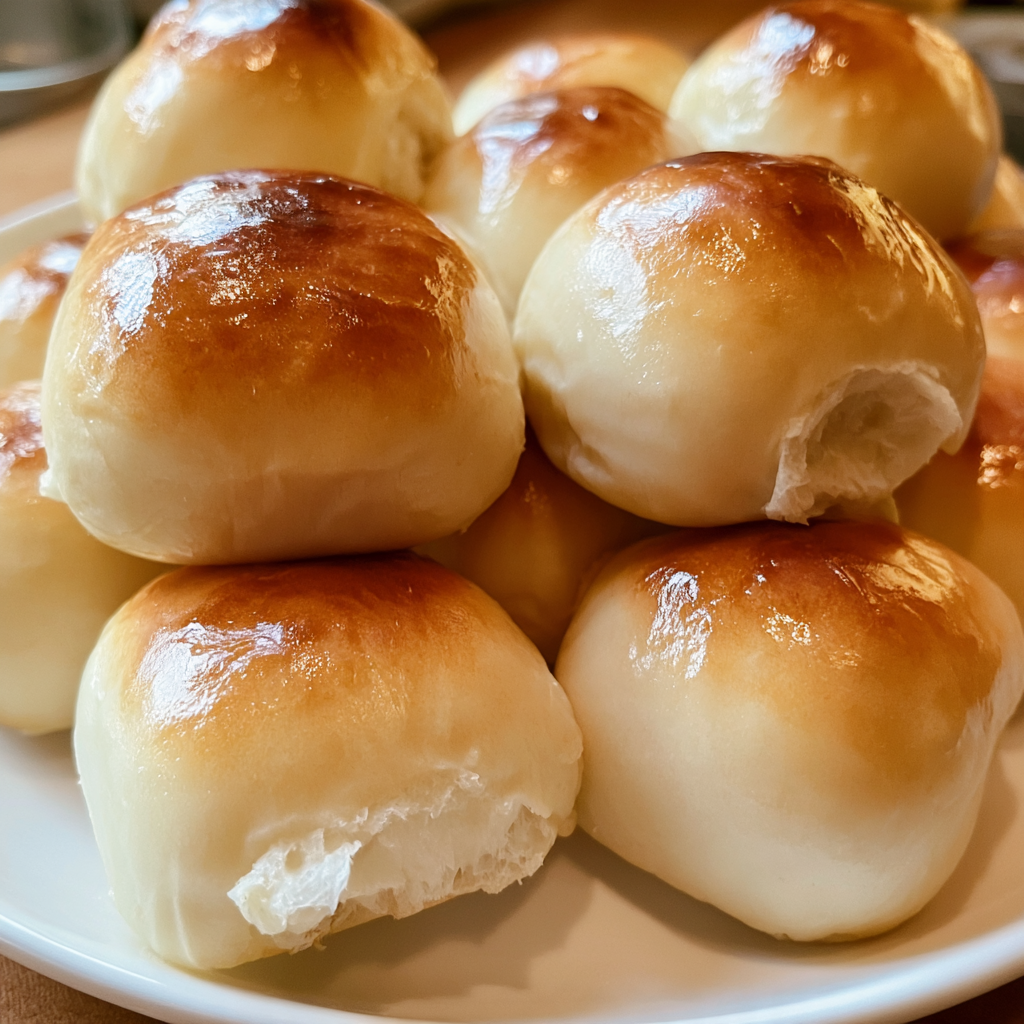
If you enjoy homemade dinner rolls but want something a little different from a standard enriched dough, cottage cheese is a surprisingly useful addition. It brings extra moisture to the dough without making the finished rolls heavy, while the eggs and small amount of sugar help create a soft interior and nicely browned tops.
The method is also very approachable. Once the yeast is activated and the dough is mixed, most of the process is hands-off while the rolls rise. Give the dough enough time during both rises and you will be rewarded with fluffy, pull-apart rolls that are especially good while still slightly warm.
Cottage Cheese Yeast Rolls Ingredients
Active dry yeast: Provides the lift that gives the rolls their airy structure. Dissolving it in properly warmed water helps get the rising process started.
Warm water: Activates the yeast. Aim for about 115°F so the water is warm enough to encourage activity without overheating the yeast.
Small-curd cottage cheese: Adds moisture and tenderness to the dough. Warming it before mixing also helps keep the dough at a yeast-friendly temperature.
Large eggs: Enrich the dough and contribute to the rolls’ tender crumb and golden appearance.
Granulated sugar: Adds mild sweetness while also supporting yeast activity and browning.
Salt: Balances the flavor and helps regulate the dough’s fermentation.
Baking soda: Works alongside the yeast and the cottage cheese to support the texture of the finished rolls.
All-purpose flour: Creates the dough’s structure. It is added in stages so you can develop a soft dough without making it unnecessarily dry.
Step-by-Step Cottage Cheese Yeast Rolls
STEP 1: Combine the active dry yeast with water warmed to about 115°F. Stir briefly and leave the mixture to stand while you prepare the cottage cheese and the rest of the ingredients. This gives the yeast a head start before it is mixed into the heavier dough.
STEP 2: Gently warm the cottage cheese to approximately 115°F. Avoid making it noticeably hotter, since very high temperatures can interfere with yeast activity once everything is combined.
STEP 3: Add the yeast mixture, warm cottage cheese, room-temperature eggs, sugar, salt, baking soda, and about 2 cups of the flour to the bowl of a stand mixer. Beat until the mixture looks smooth and the ingredients are evenly distributed.
STEP 4: Gradually work in the remaining flour until the dough begins pulling together into a soft ball. The dough should still feel slightly sticky rather than dry or stiff. Resist adding excessive extra flour, since a softer dough generally produces more tender rolls.
STEP 5: Transfer the dough to a lightly floured work surface and knead for about 6 to 8 minutes. Continue until it becomes smoother, more elastic, and easier to handle. Shape it into a ball, place it in a greased bowl, and turn it once to lightly coat the surface.
STEP 6: Cover the bowl and place it somewhere warm for about 1 hour. The dough should roughly double in volume. Once risen, gently press it down to release excess gas, then divide it into 30 similar portions and shape each one into a smooth ball.
STEP 7: Arrange the shaped rolls about 2 inches apart on a greased baking sheet. Cover them again and leave them to rise for roughly 30 minutes, or until noticeably puffy and approximately doubled in size.
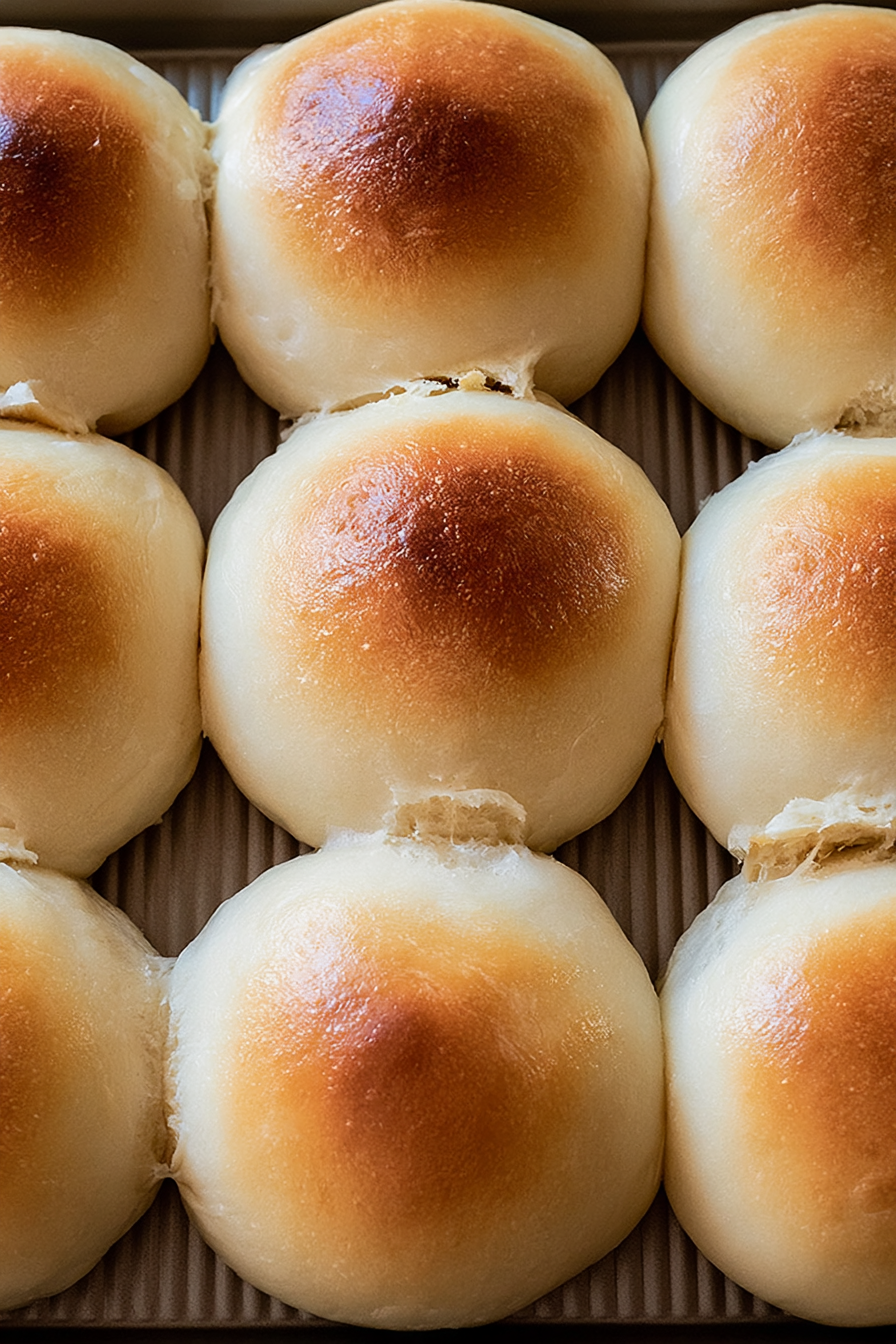
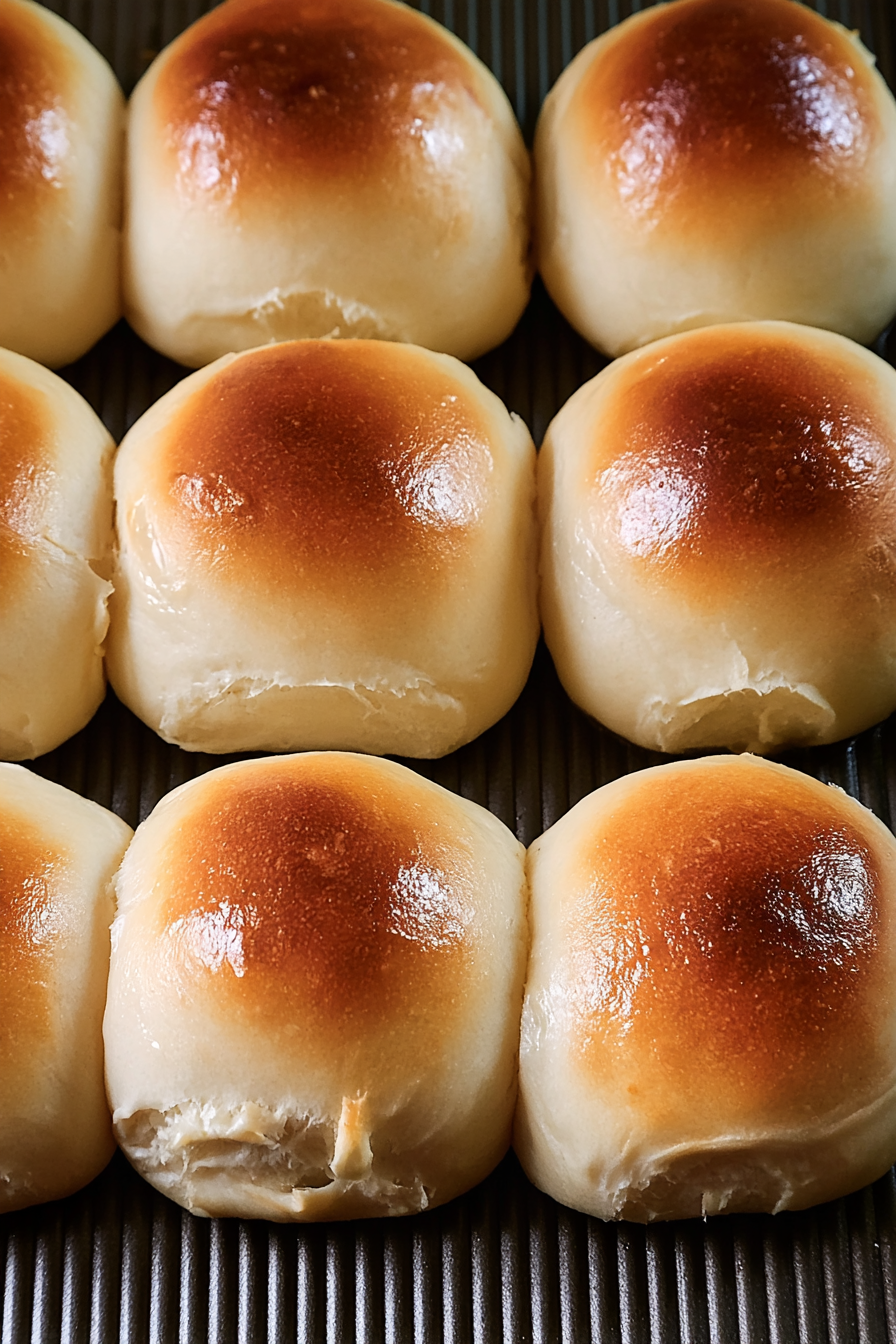
STEP 8: Bake the rolls on the center rack of a 375°F oven for 12 to 15 minutes. They are ready when the tops are evenly golden and the rolls feel light and baked through. Transfer them to a wire rack so they can cool slightly before serving.
Can I use cottage cheese straight from the refrigerator?
It is better to warm it first for this dough. Cold cottage cheese can lower the temperature of the entire mixture and slow the yeast considerably. Bringing the cottage cheese to around 115°F keeps the dough warm enough for reliable rising.
Why is my roll dough still sticky?
A slightly sticky dough is expected. The moisture from the cottage cheese and eggs creates a softer dough than some traditional dinner roll recipes. Add only enough flour to make kneading manageable because adding too much can lead to dense or dry rolls.
How do I know when the dough has risen enough?
Rather than relying only on the clock, look at the size of the dough. During the first rise, it should approximately double. After shaping, the individual rolls should become noticeably fuller and lighter before they go into the oven.
Can I make these rolls ahead of time?
Yes. You can bake the rolls earlier in the day and gently rewarm them before serving. For longer storage, allow them to cool completely and keep them tightly covered so their soft texture is preserved.
Can I freeze cottage cheese yeast rolls?
These rolls freeze well once baked and completely cooled. Place them in a freezer-safe container or bag, remove as much excess air as practical, and freeze for up to about 2 months. Thaw them at room temperature before reheating.
Pro Tips for Cottage Cheese Yeast Rolls
- Watch your temperatures. Both the water and cottage cheese should be warm rather than hot. Around 115°F creates a comfortable environment for active dry yeast.
- Keep the dough soft. A slightly tacky dough is preferable to a heavily floured one. Add flour gradually and stop once the dough holds together well enough to knead.
- Let appearance guide the rises. Kitchen temperature affects rising speed, so wait until the dough has properly expanded instead of treating the stated times as strict deadlines.
Perfect Pairings
Roast chicken or turkey: These soft rolls are ideal for soaking up pan juices or gravy and work especially well as part of a traditional family dinner.
Hearty soups and stews: Serve a basket alongside tomato soup, chicken soup, beef stew, or another comforting one-pot meal.
Holiday side dishes: Their mild flavor pairs easily with mashed potatoes, roasted vegetables, casseroles, and other Thanksgiving or Christmas favorites.
How to Store & Reheat
Allow the rolls to cool completely before storing them. Trapping them in a container while they are still hot can create condensation and leave their surfaces damp.
Keep leftover rolls in an airtight container or tightly closed food-storage bag at room temperature for about 2 days. If you need to keep them longer, refrigeration can extend their storage life to approximately 4 to 5 days, although chilled bread tends to firm up more quickly.
For longer storage, freeze the cooled rolls for up to 2 months. You can freeze them together in a well-sealed freezer container or portion them into smaller bags if you want to thaw only a few at a time.
To serve the rolls warm again, place them in a low oven until gently heated through. Covering them loosely while reheating helps prevent the exterior from becoming too firm. Individual rolls can also be warmed briefly, but avoid overheating them because that can dry out their soft interior.
The cottage cheese makes these rolls especially tender while still giving you everything you want from classic homemade yeast bread: a light interior, golden exterior, and soft texture that works equally well beside a weeknight meal or on a holiday table. With 30 rolls in one batch, there are plenty for a crowd, and any extras are easy to store or freeze for another meal.
Cottage Cheese Yeast Rolls
Ingredients
- 1/4 cup white granulated sugar
- 2 teaspoons salt
- 1/2 cup water warmed to 115°F
- 2 cups small-curd cottage cheese warmed to 115°F for optimal dough texture
- 1/2 teaspoon baking soda
- 4 1/2 teaspoons active dry yeast
- 4 1/2 cups all-purpose flour divided
- 2 large eggs brought to room temperature for easier blending
Instructions
- Stir the active dry yeast into the 1/2 cup of warm water measured at 115°F. Allow the yeast mixture to stand while the remaining ingredients are prepared.
- Gently heat the small-curd cottage cheese until it reaches 115°F. Maintain this temperature so the cottage cheese incorporates properly into the yeast dough.
- In the bowl of a stand mixer, combine the activated yeast mixture, warmed cottage cheese, eggs, granulated sugar, salt, baking soda, and 2 cups of the all-purpose flour.
- Beat until the mixture becomes smooth and evenly combined.
- Add the remaining 2 1/2 cups of flour gradually, mixing until the dough gathers into a ball. The finished dough should remain slightly sticky.
- Transfer the dough to a lightly floured work surface. Knead for 6–8 minutes, continuing until the dough becomes smooth and elastic.
- Shape the kneaded dough into a ball and place it in a greased bowl. Turn the dough over once so the upper surface is lightly coated with grease.
- Cover the bowl with a clean cloth and leave the dough in a warm location for approximately 1 hour, or until it has doubled in volume.
- Press down the risen dough to release the accumulated air.
- Portion the dough into 30 evenly sized pieces and shape each portion into a ball.
- Arrange the dough balls approximately 2 inches apart on a greased baking sheet.
- Cover the shaped rolls and allow them to rise for an additional 30 minutes, or until they have doubled in size once more.
- Preheat the oven to 375°F (190°C).
- Position the baking sheet on the center oven rack and bake the rolls for 12–15 minutes, or until their surfaces are golden brown.
- Remove the finished rolls from the oven and transfer them to a wire rack to cool before serving.