
Creamy and quick, cottage cheese pesto blends fresh basil, toasted walnuts, Parmesan, garlic, and olive oil into a smooth, savory sauce that works beautifully with pasta, meats, salads, and simple lunches.
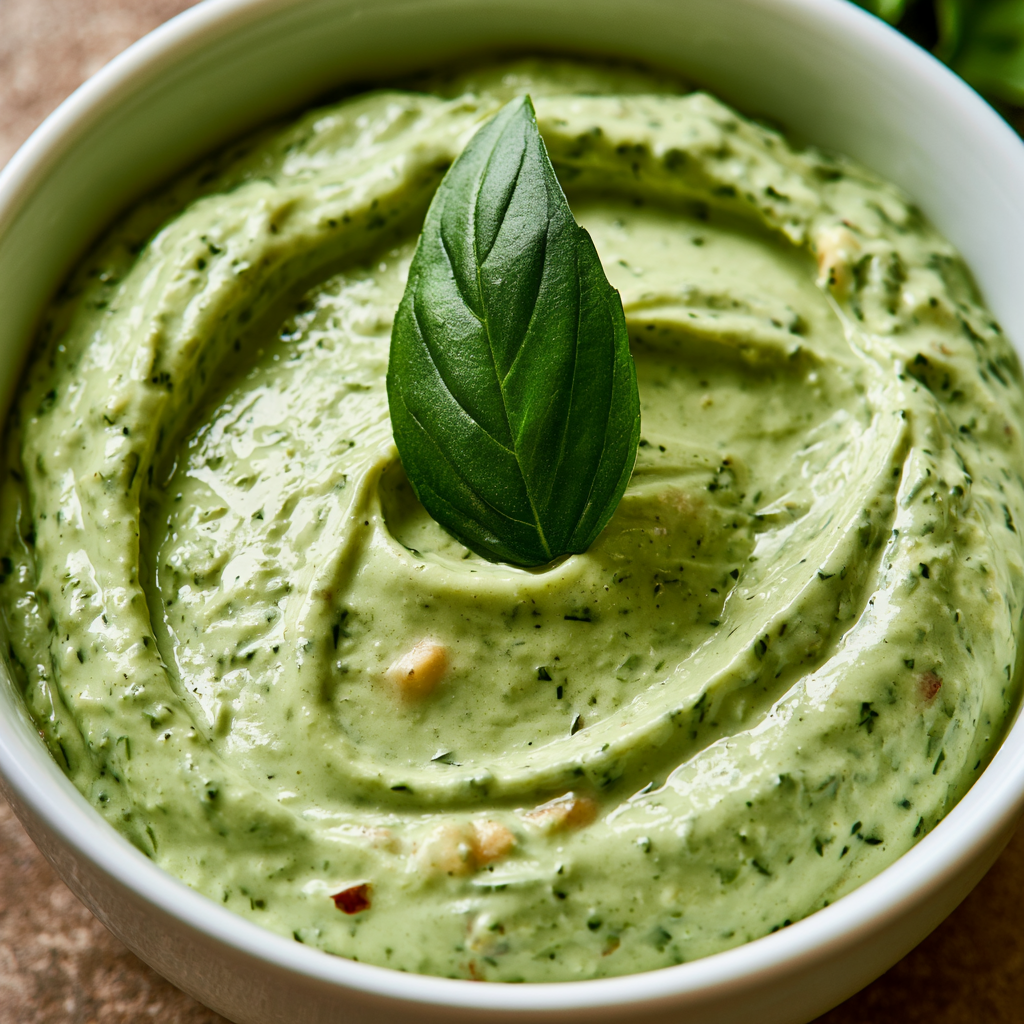
This is the kind of sauce worth keeping in your refrigerator when you want to make an everyday meal feel more interesting without doing much extra cooking. Everything comes together in a blender or food processor, so there is very little prep and almost no cleanup.
Full-fat cottage cheese gives the pesto its creamy base, while basil and garlic keep that familiar fresh pesto character. Toasted walnuts bring a deeper nutty flavor, Parmesan adds savory richness, and the oil lets you adjust the consistency depending on how you plan to serve it.
You can leave the pesto fairly thick for spreading or blending into pasta, or add a little more oil when you want something looser for drizzling over vegetables, salads, or cooked meat.
Cottage Cheese Pesto Recipe Ingredients
You only need a short list of familiar ingredients for this creamy basil sauce, and each one contributes to its flavor or consistency.
- Full-fat cottage cheese: Creates the smooth, creamy base and gives the pesto plenty of body without requiring a large amount of oil.
- Fresh basil leaves: Provides the bright herbal flavor associated with traditional pesto. Use anywhere from ½ to 1 cup depending on how pronounced you want the basil to taste.
- Walnuts: Add nuttiness and a little richness. Toasting them first develops a deeper flavor that stands up nicely to the cottage cheese.
- Parmesan cheese: Brings salty, savory depth and helps give the finished sauce a more classic pesto flavor. Freshly grated Parmesan blends especially well.
- Garlic: Two cloves give the sauce noticeable garlic flavor without overpowering the basil and cheese.
- Olive oil or avocado oil: Loosens the pesto and helps create a silky consistency. Start with the smaller amount and add more only when needed.
- Salt: Sharpens the overall flavor. Add it gradually because Parmesan already contributes some saltiness.
- Freshly ground pepper: Adds a subtle peppery finish that balances the creamy ingredients.

Cooking Steps
STEP 1: Prepare all of your ingredients before blending. Remove any thick stems from the basil, peel the garlic, measure the cottage cheese and walnuts, and grate the Parmesan if needed. If you are toasting the walnuts, let them cool slightly before adding them to the blender.
STEP 2: Add the cottage cheese to a blender or food processor first. Placing the creamy ingredient near the blades helps everything begin moving smoothly once you start blending.
STEP 3: Add the basil leaves, walnuts, Parmesan, and garlic. For a stronger basil-forward sauce, use closer to 1 cup of tightly packed leaves. If you prefer a milder, creamier pesto, begin with about ½ cup.
STEP 4: Pour in approximately ¼ cup of olive oil or avocado oil. Add a small amount of salt and freshly ground pepper. It is easier to adjust the seasoning after blending than to correct a sauce that has been heavily salted.
STEP 5: Blend until the ingredients become creamy and evenly combined. Stop occasionally to scrape down the sides if bits of basil, walnuts, or cheese collect above the blades.
STEP 6: Check the consistency. For a thick pesto suitable for spreading or stirring into hot pasta, you may not need much more oil. For a thinner sauce or dressing-style consistency, blend in additional oil a little at a time, using up to ½ cup total.
STEP 7: Taste and adjust the salt, pepper, or basil if necessary. Transfer the finished pesto to a clean, tightly sealed container if you are not serving it immediately.
How to Store & Reheat
Transfer leftover pesto to an airtight jar or container and keep it refrigerated for up to 5 days. Using a container with a tight-fitting lid helps protect the fresh basil flavor and keeps the sauce from absorbing other refrigerator odors.
Because this sauce contains cottage cheese and Parmesan, it should not be left at room temperature for extended periods. Spoon out only the amount you intend to use and return the remaining pesto to the refrigerator promptly.
Freezing is possible, although the cottage cheese may change slightly in texture after thawing. For the smoothest results, stir or briefly blend thawed pesto again before serving. Freeze smaller portions so you can defrost only what you need.
For pasta, you generally do not need to cook the pesto separately. Stir it into warm pasta and allow the heat from the noodles to gently warm the sauce. If it seems too thick, loosen it with a small amount of pasta water or oil.
Can I use less basil?
Yes. The amount of basil is flexible, so you can use about ½ cup for a mild, creamy pesto or increase it toward 1 cup for a stronger herbal flavor. Start with less if you are unsure, then blend in more leaves after tasting.
Do I need to toast the walnuts?
Toasting is optional, but it is worthwhile when you have a few extra minutes. Lightly toasted walnuts develop a deeper, richer flavor than raw walnuts and pair particularly well with the Parmesan and basil. Let them cool before blending them into the cottage cheese mixture.
Why is my pesto too thick?
A thick texture usually means the sauce simply needs a little more liquid. Blend in additional olive or avocado oil a tablespoon at a time until it reaches the consistency you want. When serving it with pasta, reserved pasta water can also loosen it nicely.
Can I make this pesto ahead of time?
Absolutely. This sauce is well suited to meal prep because you can blend it in advance and refrigerate it in a tightly sealed container for up to five days. Give it a good stir before serving since the ingredients may settle slightly while chilled.

What can I use this pesto for besides pasta?
Try it as a spread for sandwiches, spoon it over cooked chicken or other meats, drizzle a thinner version over roasted vegetables, or mix it into a salad. Its creamy consistency also makes it useful as a quick dip or savory topping.
Perfect Pairings
This pesto is versatile enough to work with both light meals and heartier dinners. A few simple pairings make particularly good use of its creamy basil flavor.
- Pasta and roasted vegetables: Toss the sauce with warm pasta, then add roasted zucchini, tomatoes, broccoli, or other vegetables you enjoy.
- Grilled or roasted chicken: Spoon a little pesto over cooked chicken just before serving for an easy creamy herb sauce.
- Fresh salad or grain bowls: Thin the pesto with additional oil until pourable, then use it as a flavorful dressing for greens, vegetables, or grain-based bowls.
Helpful Tips
- Start with less oil. Begin with ¼ cup and increase it gradually. You can always thin pesto, but correcting an overly loose sauce is more difficult.
- Taste before adding extra salt. Parmesan is naturally salty, so blend everything first and adjust the seasoning afterward.
- Blend longer for extra smoothness. Cottage cheese has natural curds, but a good blender or food processor can turn them into a remarkably creamy sauce. Scrape the sides as needed and continue processing until the texture looks uniform.
Cottage Cheese Pesto
Ingredients
- 1 cup full-fat cottage cheese preferred for the creamiest texture
- 2 garlic cloves
- ¼ cup walnuts preferably toasted for a richer flavor
- ¼ –½ cup olive oil or avocado oil
- Freshly ground pepper to taste
- ½ –1 cup tightly packed fresh basil leaves stems removed
- ¼ cup finely shredded Parmesan cheese preferably freshly grated
- Salt to taste
Instructions
- Measure and prepare the cottage cheese, basil leaves, walnuts, Parmesan, garlic, oil, salt, and pepper. Set up a blender or food processor.
- Place the cottage cheese in the blender or food processor. Add the fresh basil, walnuts, Parmesan cheese, and garlic cloves.
- Pour in ¼ cup of olive oil or avocado oil to begin, then season the mixture with salt and freshly ground pepper according to taste.
- Blend until the ingredients form a uniformly smooth and creamy pesto. If the consistency remains thicker than desired, gradually blend in additional oil, using up to ½ cup total.
- Transfer the finished pesto to a clean jar or other tightly sealed container. Keep refrigerated for up to 5 days.