
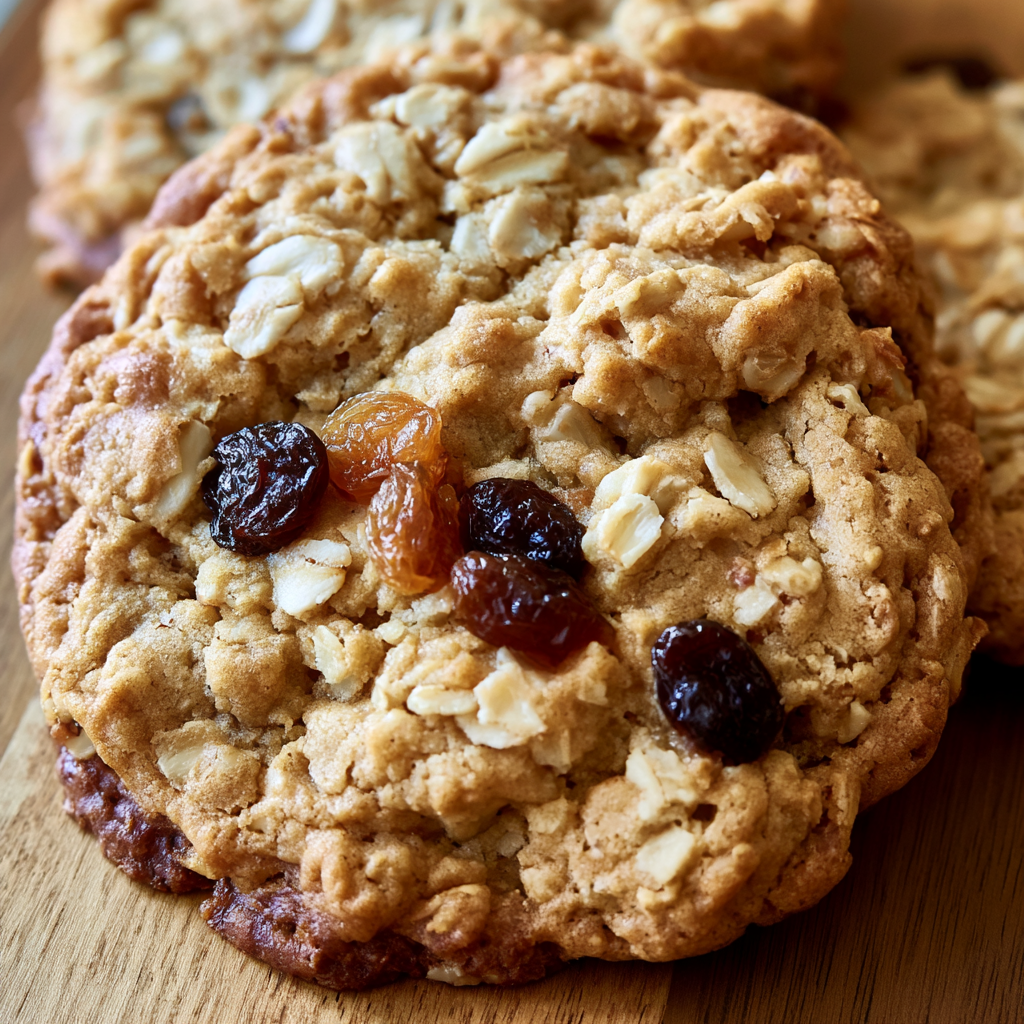
Cottage Cheese Oatmeal Cookies Recipe makes a simple, hearty snack with creamy cottage cheese, chewy oat flakes, honey, raisins, and cinnamon. Soaked oats keep the cookies tender, while kefir adds a subtle tang and helps create a pleasantly soft texture.

These cookies are a great choice when you want something homemade that feels substantial without requiring a complicated dough. There is no creaming butter, rolling dough, or chilling cookie dough before baking. Most of the preparation is simply allowing the oats and raisins to soak.
The combination of cottage cheese and kefir gives the cookies their distinctive soft texture. Traditional oat flakes absorb the kefir slowly, becoming tender without disappearing into the mixture, while the cottage cheese adds moisture and helps hold everything together.
Honey provides gentle sweetness, raisins bring little bursts of fruity flavor, and cinnamon rounds everything out with familiar warmth. The finished cookies are softer and more rustic than classic oatmeal cookies, making them especially nice for breakfast, an afternoon snack, or something to enjoy alongside coffee or tea.
Cottage Cheese Oatmeal Cookies Ingredients
Cottage cheese: Forms the creamy base of the cookie mixture and contributes moisture to the finished cookies. Mashing it first helps distribute it evenly through the soaked oats.
Traditional oat flakes: Give the cookies their hearty structure and chewy oatmeal character. Choose regular, non-instant oats so they maintain some texture after soaking.
Kefir: Softens the oats during the 40-minute soaking period while bringing a mild tanginess to the mixture. Buttermilk can be used in its place.
Raisins: Add naturally sweet, chewy pockets throughout the cookies. Soaking them in hot water first makes them plumper and softer.
Honey: Sweetens the cookie mixture without overwhelming the other ingredients.
Ground cinnamon: Adds gentle warmth that complements both the oats and raisins.
Vegetable oil: Only a small amount is needed to lightly grease the lined baking tray and reduce sticking.

Cooking Steps
STEP 1: Place the traditional oat flakes in a mixing bowl and pour the kefir over them. Stir briefly if needed to make sure the oats are evenly moistened, then leave them to soak for about 40 minutes. During this time, they will absorb much of the kefir and soften considerably.
STEP 2: While the oats are soaking, place the raisins in a separate heatproof bowl and cover them with boiling water. Let them stand for the same 40-minute period. This rehydrates the raisins so they remain tender rather than becoming overly dry during baking.
STEP 3: Add the cottage cheese to a large bowl and mash it thoroughly with a fork. You do not need a completely whipped consistency, but breaking up larger curds will produce a more evenly textured cookie. Add the soaked oat mixture and stir until the cottage cheese and oats are well combined.
STEP 4: Drain the raisins very thoroughly, shaking off as much excess water as possible. Fold them into the oat mixture along with the honey and cinnamon. Mix until the raisins and cinnamon are evenly distributed and there are no concentrated streaks of honey.
STEP 5: Heat the oven to between 180°C and 200°C, or approximately 356°F to 392°F. Line a baking tray with baking paper and brush or wipe the surface with a very light coating of vegetable oil.
STEP 6: Spoon portions of the thick oat mixture onto the prepared baking tray. Leave a little space between them and gently shape the portions into cookie-sized rounds. Because this mixture does not behave exactly like traditional butter-based cookie dough, shaping them before baking helps create a more uniform result.
STEP 7: Bake for approximately 20 minutes, watching the cookies toward the end of the baking time. They are ready when the outside has developed an appetizing golden-brown color and the cookies appear set.
STEP 8: Remove the tray from the oven and allow the cookies to settle briefly before transferring them to a wire rack. Let them cool before serving so their soft structure has time to firm slightly.
Can I use buttermilk instead of kefir?
Yes. Buttermilk works well as a substitute for kefir and provides the acidity and moisture needed to soften the oat flakes. Its flavor can be a little more noticeably tangy, but it pairs naturally with cottage cheese, honey, cinnamon, and raisins.
Helpful Tips
- Drain the soaked raisins particularly well. Extra soaking water can loosen the mixture and make the cookies wetter than intended.
- Give the oats the full soaking time when possible. The 40-minute rest allows traditional oat flakes to absorb the kefir and creates a much more cohesive cookie mixture.
- Shape the portions before they go into the oven rather than expecting them to spread significantly during baking. These are naturally thick, soft oatmeal cookies.
Do I need to blend the cottage cheese?
No. Mashing the cottage cheese thoroughly with a fork is enough for this recipe. Small curds may remain in the mixture, but they soften during baking. If your cottage cheese has especially large curds, spend an extra minute mashing them before adding the oats.
Perfect Pairings
These cottage cheese oatmeal cookies are substantial enough to enjoy on their own, but a simple drink or fresh accompaniment can turn them into a more complete snack.
Fresh fruit: Apples, pears, berries, or sliced bananas provide a light, fresh contrast to the hearty oats and raisins.
Coffee or tea: The cinnamon and honey flavors work especially well with a warm cup of coffee, black tea, or lightly spiced tea.
Plain yogurt: Serve a cookie alongside a small bowl of yogurt when you want a more filling breakfast-style option.
Are these cookies crispy or soft?
These cookies are intended to be soft and hearty rather than thin and crisp. Soaking the oats in kefir and combining them with cottage cheese creates a moist, tender center with a lightly browned exterior. Traditional oats also give each cookie a pleasantly substantial bite.
Keeping Leftovers Fresh
Let the cookies cool completely before storing them. Placing warm cookies into a sealed container can trap steam and make their surfaces unnecessarily damp.
For short-term storage, arrange the cooled cookies in an airtight container and refrigerate them for up to about 4 days. Because the dough contains cottage cheese and kefir, refrigerated storage is more appropriate than leaving them at room temperature for several days.
For longer storage, place the cooled cookies in a freezer-safe container with baking paper between layers and freeze them for up to 2 months. Individual cookies can also be wrapped separately if you want to remove only one or two at a time.
Thaw frozen cookies overnight in the refrigerator or allow them to thaw for a shorter period at room temperature before eating. If you prefer them warm, reheat them briefly in a low oven until just warmed through. Avoid prolonged reheating, which can dry the oats and raisins.
Can I use instant oats?
Traditional oat flakes are the better choice. Instant oats absorb liquid much more quickly and break down more easily, which can make the cookie mixture softer and less textured. Regular oat flakes retain more of their structure during the 40-minute kefir soak and produce the hearty texture intended for these cookies.
Can I prepare the oat mixture ahead?
You can soak the oats and prepare the mixture in advance, but keep it refrigerated if it will sit longer than the stated soaking period. For the most predictable texture, shape and bake the cookies once the oats have softened and all the ingredients have been thoroughly combined.
The recipe is especially convenient because the hands-on work is minimal. While the oats and raisins soak, there is very little else to prepare, and once everything is mixed together the cookies can go directly onto the baking tray.
With their soft cottage cheese base, substantial oats, plump raisins, and gentle cinnamon sweetness, these cookies make a practical change from traditional butter-and-sugar oatmeal cookies. Keep a batch chilled for quick snacks, pair one with your morning coffee, or freeze extras so you have a homemade oat cookie ready whenever you want one.
Cottage Cheese Oatmeal Cookies Recipe
Ingredients
- 1.7 oz 50 g raisins, preferably Sun-Maid or a similar variety
- 1/2 teaspoon ground cinnamon
- 8.8 oz 250 g cottage cheese
- 7 oz 200 g traditional oat flakes, preferably non-instant
- 2 tablespoons honey
- 6.8 fl oz 200 ml kefir, or buttermilk for a tangier flavor
- A small amount of vegetable oil for greasing the baking paper
Instructions
- Place the oat flakes in a bowl and pour the kefir over them. Leave the mixture undisturbed for 40 minutes so the oats can absorb the liquid and soften.
- At the same time, place the raisins in a separate container, cover them with boiling water, and allow them to soak for 40 minutes until plump.
- Transfer the cottage cheese to a separate mixing bowl. Mash it thoroughly with a fork until the texture becomes relatively smooth and even.
- Add the kefir-soaked oats to the cottage cheese and stir until the two components are fully incorporated.
- Drain the raisins thoroughly and add them to the cottage cheese and oat mixture.
- Add the honey and ground cinnamon. Stir carefully and thoroughly until the raisins, spices, and honey are evenly distributed throughout the mixture.
- Preheat the oven to 180–200°C (356–392°F).
- Line a baking tray with baking paper, then lightly coat the paper with vegetable oil to help prevent sticking.
- Spoon portions of the mixture onto the prepared tray, arranging them with even spacing between each cookie.
- Transfer the tray to the preheated oven and bake for approximately 20 minutes, or until the cookies develop a golden-brown exterior.
- Remove the finished cookies from the oven and transfer them to a wire rack. Allow them to cool before serving.
Notes
Non-instant oat flakes are recommended because they provide a more substantial finished texture.
The raisins should be drained well after soaking to avoid adding excess water to the cookie mixture.