
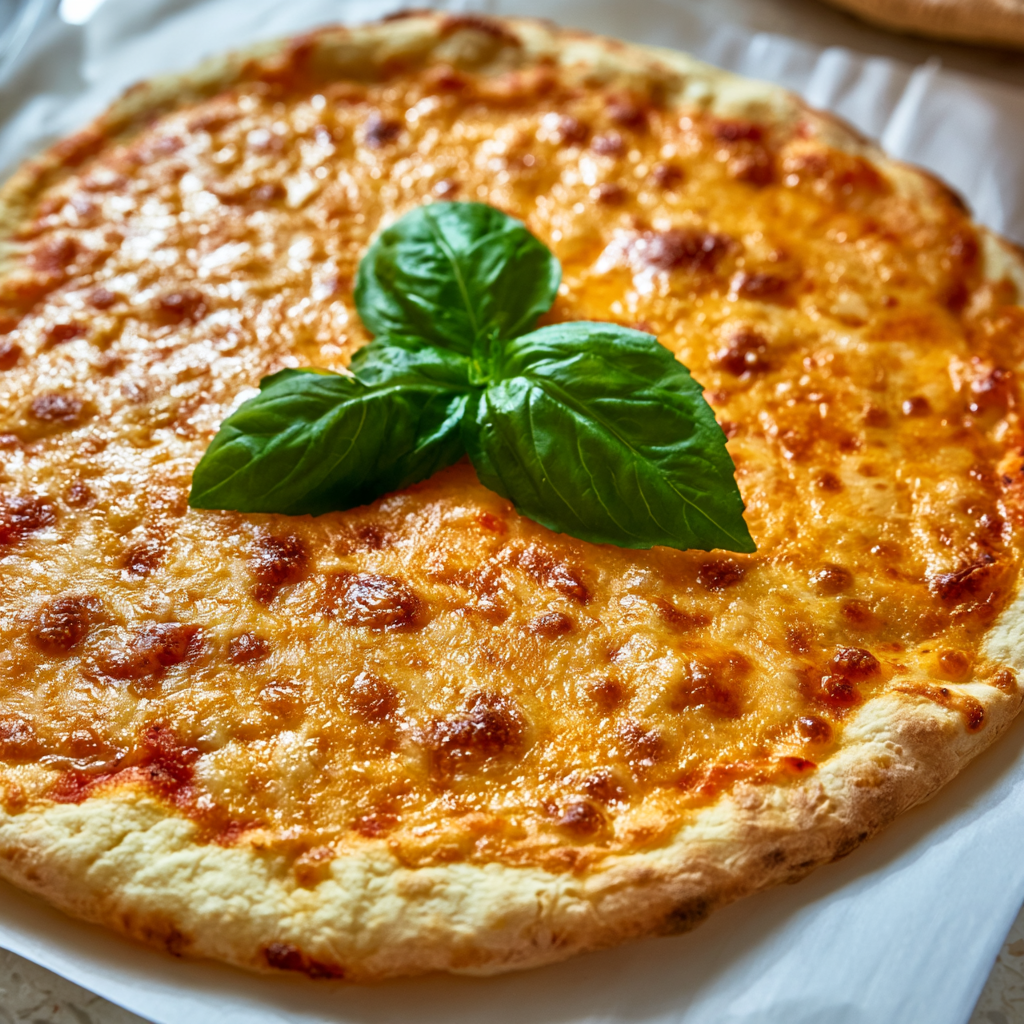
Cottage Cheese Pizza Crust is a protein-rich, oven-baked alternative to traditional pizza dough, with Parmesan for savory flavor and a firm, golden finish that holds marinara and melted mozzarella beautifully.
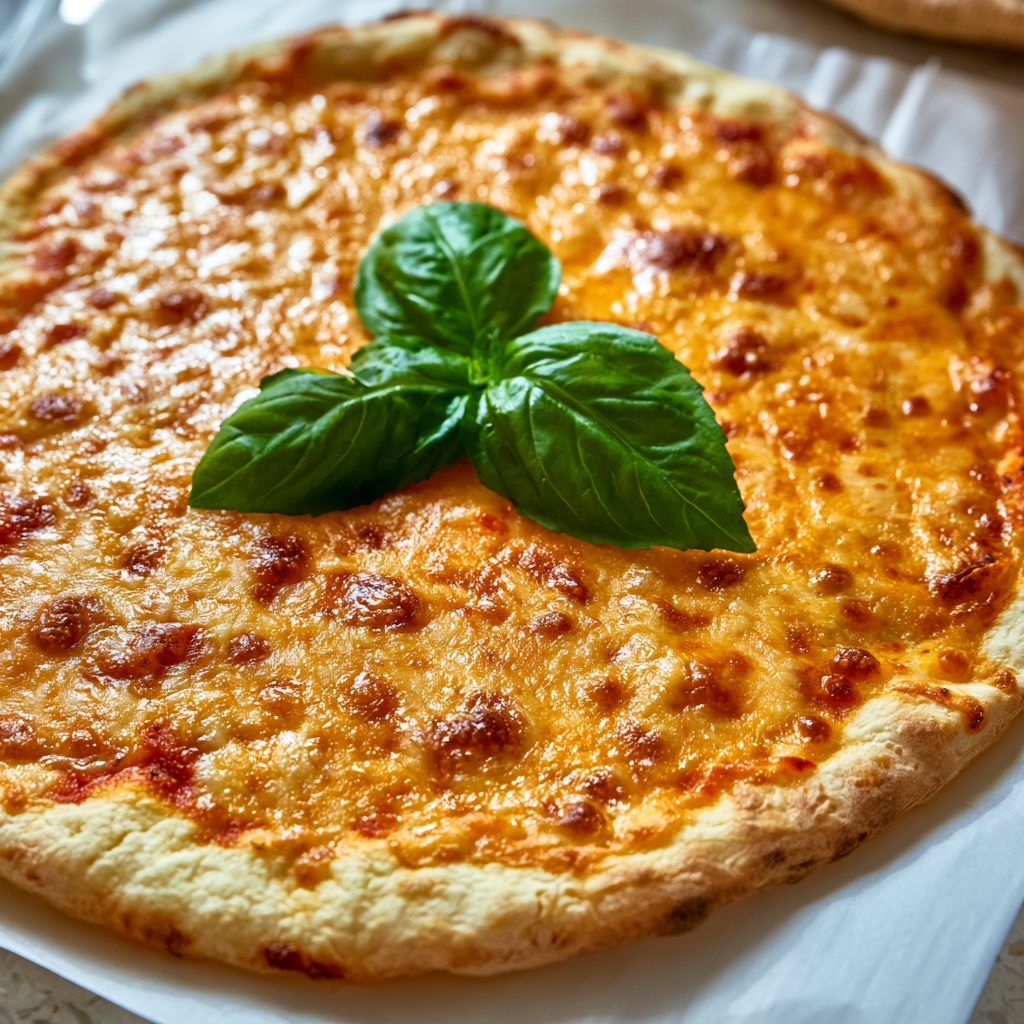
This is a great option when you want homemade pizza without mixing, kneading, or waiting for dough to rise. Cottage cheese forms the base, while Parmesan helps the crust become more structured and adds plenty of savory depth.
The method is simple, but the first bake matters. Giving the cottage cheese mixture enough time in the oven allows excess moisture to cook away and the edges to brown before any sauce is added. Once the crust feels firm, a thin layer of marinara and mozzarella turns it into a satisfying personal-size pizza.
Finish it with fresh basil and a light drizzle of extra-virgin olive oil if you like. Serve it straight from the oven for the nicest contrast between the golden edges, soft center, tomato sauce, and bubbling cheese.
Cottage Cheese Pizza Crust Ingredients
Full-fat cottage cheese: Forms the main body of the crust. Full-fat cottage cheese is especially useful here because it provides a richer texture and creates a satisfying base once baked.
Parmesan cheese: Adds salty, savory flavor while helping the cottage cheese crust develop more structure during its long initial bake.
Garlic powder: Seasons the crust evenly without adding the extra moisture that fresh garlic could introduce.
Italian seasoning: Gives the base a familiar blend of dried herb flavors that works naturally with tomato sauce and mozzarella.
Marinara sauce: A small amount adds tomato flavor without making the baked crust excessively wet.
Low-moisture mozzarella: Melts smoothly over the sauce and is a better choice than very wet fresh mozzarella for maintaining the crust’s texture.
Fresh basil: An optional fresh garnish that adds aroma and a classic pizza-style finish.
Extra-virgin olive oil: An optional final drizzle that adds richness just before serving.

Cooking Steps
STEP 1: Heat your oven to 350°F (175°C) and cover a baking sheet with parchment paper. The parchment is important because the cottage cheese can stick considerably as its moisture cooks away.
STEP 2: Place the cottage cheese in the middle of the lined pan. Use the back of a spoon to spread it into a fairly even round, keeping the thickness as consistent as possible so the edges do not finish long before the center.
STEP 3: Scatter the finely grated Parmesan across the cottage cheese base. Season evenly with the garlic powder and Italian herbs so every slice gets a balanced amount of seasoning.
STEP 4: Bake the crust for about 40 minutes. Look for visibly golden edges and a center that appears much firmer and drier than when it went into the oven. Avoid adding the toppings too early, since the crust needs this first bake to become sturdy enough to support them.
STEP 5: Carefully remove the baking sheet. Spread a light coating of marinara across the baked surface, leaving a small border around the outside. Using only a few tablespoons of sauce keeps the pizza flavorful without introducing unnecessary moisture.
STEP 6: Sprinkle the shredded mozzarella evenly over the marinara. Return the pizza to the oven for another 5 to 10 minutes, or until the mozzarella has melted and is bubbling in spots.
STEP 7: Take the pizza out of the oven and let it stand briefly before slicing. Add fresh basil and a small drizzle of extra-virgin olive oil if desired, then serve while the cheese is still hot.
What to Serve with Cottage Cheese Pizza Crust
Because this pizza is rich in cheese and has a savory tomato topping, fresh and simple sides work especially well.
A crisp green salad with a bright vinaigrette is one of the easiest pairings. The acidity and crunchy vegetables provide a pleasant contrast to the warm pizza.
Roasted vegetables are another good option, particularly zucchini, broccoli, bell peppers, or mushrooms. Keep their seasoning fairly simple so they complement rather than overpower the Italian herbs in the crust.
For an especially light meal, serve the pizza with sliced tomatoes and fresh greens dressed with a little olive oil and a splash of vinegar or lemon juice.
Can I blend the cottage cheese first?
You can, but it is not required for this method. Blending cottage cheese creates a smoother mixture and may give the finished crust a more uniform appearance. Leaving it unblended produces a slightly more rustic texture while keeping preparation especially simple.
If you do blend it, avoid adding extra liquid. Additional moisture works against the goal of developing a firm pizza base.
Why is my cottage cheese pizza crust soft?
Cottage cheese naturally contains considerable moisture, so the crust needs enough time to dry and firm during the initial bake. A soft crust may simply need a little longer in the oven.
Thickness also matters. If the center is substantially thicker than the edges, the outside can brown while the middle remains soft. Spreading the cottage cheese into a consistently thin round helps it bake more evenly.
Finally, use a modest amount of marinara and low-moisture mozzarella. Heavy layers of wet toppings can soften a crust that was otherwise properly baked.
Helpful Tips
- Spread the base evenly. An even thickness helps the center become firm without allowing the perimeter to overbrown.
- Let the first bake do the work. Wait until the crust looks golden and feels set before adding sauce and mozzarella. The toppings only need a short final bake.
- Keep toppings light. This crust is more delicate than yeast-based pizza dough, so a thin layer of sauce and a moderate amount of cheese are ideal.
Can I make the crust ahead of time?
Yes. The most practical approach is to complete the initial bake, let the crust cool, and refrigerate it without the sauce or mozzarella.
When you are ready to eat, place the crust back on a lined baking sheet, add the marinara and mozzarella, and bake until the crust is hot and the cheese has melted. Keeping the toppings separate until reheating helps prevent the base from becoming soggy.
Can I use fresh mozzarella?
Low-moisture mozzarella is preferable because fresh mozzarella contains substantially more water. That extra liquid can release onto the pizza as it heats and soften the cottage cheese base.
If fresh mozzarella is all you have, drain it thoroughly and use it sparingly. Patting the pieces dry before adding them can also help reduce moisture.
How to Store & Reheat
Allow leftover pizza to cool before transferring it to an airtight container. Refrigerate it for up to 3 days, placing parchment between pieces if you need to stack them.
For the best reheated texture, use the oven or an air fryer rather than the microwave. Warm the pizza until the mozzarella is hot and the edges of the crust have firmed again. A microwave will work when convenience is the priority, although the base will generally be softer.
For longer storage, the fully baked crust can be frozen before adding the sauce and mozzarella. Cool it completely, wrap it securely, and freeze it for about 1 month. Thaw it in the refrigerator before topping and reheating.

Can I add other pizza toppings?
Yes, but lighter toppings are the most reliable choice. Since this crust does not have the same structure as conventional bread dough, avoid piling it high with ingredients.
Well-drained vegetables, cooked mushrooms, or small amounts of cooked meat can work, provided excess moisture and grease are removed first. Add them with the mozzarella during the final 5 to 10 minutes of baking so the crust does not spend unnecessary extra time under wet toppings.
The key is balance: let the cottage cheese and Parmesan crust provide the foundation, use marinara sparingly, and add just enough mozzarella and toppings to create a flavorful pizza that still slices and serves comfortably.
Cottage Cheese Pizza Crust
Ingredients
Crust and Seasoning
- 1 cup full-fat cottage cheese preferably for the best texture
- 1/2 teaspoon Italian seasoning
- 1/4 cup finely grated Parmesan cheese
- 1/2 teaspoon garlic powder
Pizza Toppings
- 2 –3 tablespoons marinara sauce
- Fresh basil as desired
- 1/2 cup shredded low-moisture part-skim mozzarella cheese
- Extra-virgin olive oil as desired
Instructions
- Preheat the oven to 350°F (175°C). Line a baking sheet with parchment paper so the cottage cheese mixture can bake without sticking.
- Spoon 1 cup of cottage cheese onto the center of the prepared baking sheet. With the back of a spoon, gently spread it outward into an even, circular pizza-crust shape.
- Distribute the 1/4 cup grated Parmesan evenly across the cottage cheese. Sprinkle the surface with 1/2 teaspoon garlic powder and 1/2 teaspoon Italian seasoning, ensuring the seasonings are spread throughout the crust.
- Transfer the baking sheet to the heated oven. Bake for 40 minutes, or until the outer edges develop a golden-brown color and the crust has become firm enough to support the toppings.
- Remove the baked crust carefully from the oven. Spread 2–3 tablespoons of marinara sauce over the surface, then scatter 1/2 cup shredded mozzarella evenly on top.
- Place the pizza back in the oven and continue baking for another 5–10 minutes, until the mozzarella is fully melted and bubbling to the desired degree.
- Remove the finished pizza from the oven. If desired, drizzle it lightly with extra-virgin olive oil and garnish with fresh basil. Slice and serve while hot.