
Fried Chicken Ice Cream is a bold custard-style dessert combining smooth vanilla cream with salty, deeply crisp chicken skin for an unexpected sweet-and-savory contrast that is rich, scoopable, and surprisingly balanced.
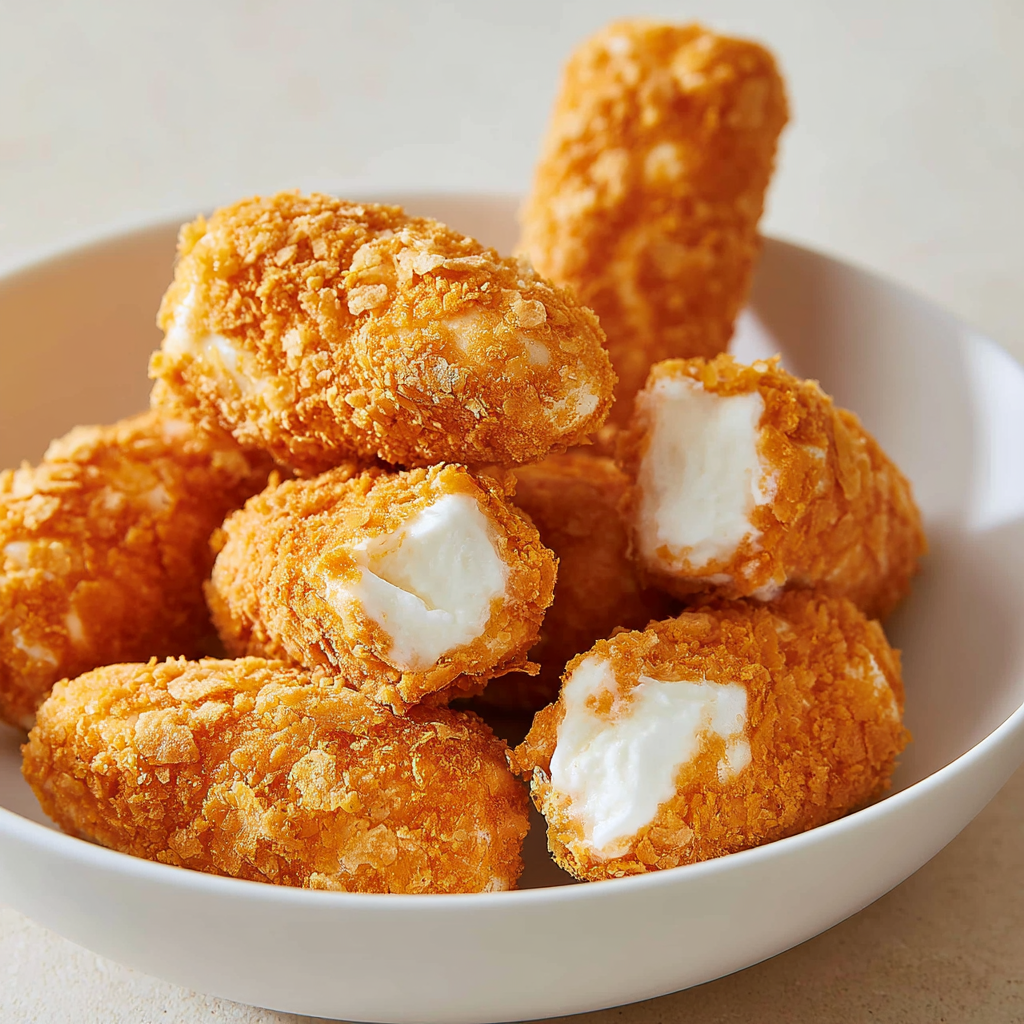
This is the frozen dessert to make when you want to serve something genuinely memorable. At first, chicken skin and vanilla ice cream may sound like an unusual pairing, but the combination follows the same principle as adding flaky salt, toasted nuts, or crisp bacon to a sweet dessert.
The base is a classic cooked custard made with egg yolks, whole milk, and heavy cream. It freezes into a dense, silky ice cream that softens the intensity of the savory crackling without hiding its roasted flavor.
The most important detail is keeping the chicken skin dry and brittle. Properly rendered pieces bring a salty crunch to each spoonful, while thoroughly chilling the custard ensures smooth churning and a creamy final texture.
Ingredients for This Savory Ice Cream
Heavy cream: Provides the richness and full-bodied texture needed for a luxurious frozen custard.
Whole milk: Lightens the cream slightly while supplying enough dairy fat for a smooth consistency.
Egg yolks: Thicken the custard and create a rich, stable base that remains creamy after freezing.
Granulated sugar: Sweetens the ice cream and helps prevent it from becoming excessively hard in the freezer.
Pure vanilla extract: Adds a familiar, aromatic sweetness that complements the roasted flavor of the chicken skin.
Kosher salt: Sharpens the vanilla flavor and ties the sweet custard to the savory mix-in.
Crispy fried chicken skin: Supplies the defining salty flavor and crackling texture. It should be deeply browned, thoroughly drained, and completely cool before use.

Cooking Steps
STEP 1: Begin by rendering or frying the chicken skin until it is dark golden, brittle, and crisp all the way through. Avoid removing it while it is still pale or flexible, since softer pieces can become chewy once mixed into the frozen custard.
STEP 2: Transfer the cooked skin to a paper towel-lined plate and let it cool completely. Blot away any visible surface grease, then crush the pieces into small fragments. Keep them large enough to provide texture but small enough to distribute through each scoop.
STEP 3: Combine the heavy cream and whole milk in a medium, heavy-bottomed saucepan. Warm them over medium heat, stirring occasionally, until steam rises from the surface and small bubbles begin appearing around the edge. Remove the pan before the dairy reaches a full boil.
STEP 4: In a separate heat-resistant bowl, whisk the egg yolks with the sugar until the mixture looks smooth, slightly thickened, and paler in color. This helps dissolve the sugar and makes the yolks easier to incorporate into the hot dairy.
STEP 5: Temper the eggs by slowly streaming a small amount of the warm cream mixture into the yolks while whisking continuously. Add a little more at a time until the bowl feels warm and the yolks have gradually adjusted to the temperature.
STEP 6: Pour the tempered yolk mixture back into the saucepan. Cook over low or medium-low heat, stirring constantly and scraping along the bottom and corners of the pan. The custard is ready when it reaches 170–175°F and lightly coats the back of a spoon. Do not let it simmer or boil.
STEP 7: Strain the custard through a fine-mesh sieve into a clean bowl. Stir in the vanilla and a small pinch of salt. Cover and refrigerate for several hours, preferably overnight, until the base is completely cold.
STEP 8: Churn the chilled custard according to the instructions for your ice cream maker. Add most of the crushed chicken skin during the last few minutes. Transfer the soft ice cream to a freezer-safe container, layering in the remaining pieces, then freeze for at least four hours before scooping.
Serving Ideas for Savory Vanilla Ice Cream
Serve this ice cream in small scoops so the contrast between the rich custard and salty crackling does not become overwhelming. A chilled bowl or small dessert glass helps prevent the custard from softening too quickly.
For additional texture, sprinkle a few reserved chicken-skin fragments over each serving immediately before bringing it to the table. Add them at the last moment rather than in advance so they remain as crisp as possible.
The ice cream can also be served alongside a warm, lightly sweet dessert such as a plain waffle, a small piece of cornbread, or a simple butter cookie. Choose mild accompaniments that support the sweet-and-savory combination without competing with it.
Why Does Chicken Skin Work in Ice Cream?
Properly crisped chicken skin has qualities that already appear in many desserts: saltiness, toasted flavor, and a brittle texture. The rich vanilla custard rounds out its savory character, while the rendered skin provides a contrast similar to salted caramel, candied bacon, or roasted nuts.
The key is moderation. Small, evenly distributed fragments create pops of flavor without making the ice cream taste greasy or excessively salty.
Can I Prepare the Custard Ahead?
Yes. Preparing the custard one day before churning is actually recommended. An overnight rest gives the base enough time to become thoroughly cold, which helps the ice cream churn more efficiently and develop a smoother texture.
Keep the chilled custard covered in the refrigerator and churn it within two days.

How Do I Keep the Chicken Skin Crisp?
Render the skin until it is deeply golden, drain it well, and allow it to cool uncovered before crushing it. Any trapped warmth or excess grease can soften the pieces.
Some loss of crispness is natural once the skin is mixed into the custard. Reserve a small amount separately for garnishing if you want a sharper crunch when serving.
Can I Make It Without an Ice Cream Maker?
An ice cream maker produces the smoothest result because it freezes the custard while continuously breaking up ice crystals. Without one, place the cold base in a shallow freezer-safe container and stir it thoroughly every 30–45 minutes during the first three hours of freezing.
Fold in the chicken skin once the custard has thickened to a soft, partially frozen consistency.
What Temperature Should the Custard Reach?
Cook the custard to approximately 170–175°F, or 77–80°C. At this stage, it should coat the back of a spoon, and a finger drawn through the coating should leave a clean line.
Cooking beyond this range can cause the egg proteins to tighten too much, producing grainy or curdled custard.
Helpful Tips
- Use a heavy-bottomed saucepan and gentle heat to reduce the risk of scorching or scrambling the custard.
- Crush the chicken skin into varied but manageable pieces, including some fine crumbs for flavor distribution and a few larger bits for crunch.
- Chill the storage container before filling it so the freshly churned ice cream begins firming quickly.
Keeping Leftovers Fresh
Store the ice cream in a shallow, airtight freezer container. Press a piece of parchment paper directly against the surface before securing the lid to reduce exposure to air and limit the formation of ice crystals.
For the best texture and chicken-skin flavor, enjoy it within one week. It can remain frozen longer, but the crackling will gradually soften as it absorbs moisture from the custard.
Let the container stand at room temperature for approximately 5–10 minutes before scooping. Avoid microwaving it, since uneven heating can melt the edges while leaving the center too firm.
Store any chicken skin reserved for garnish separately in an airtight container at room temperature for up to one day. If it begins to soften, warm it briefly in a dry skillet or low oven, then allow it to cool completely before placing it over the ice cream.
Fried Chicken Ice Cream
Ingredients
For the Ice Cream Custard
- 2 cups full-fat heavy cream preferably Horizon Organic for added richness
- 1 teaspoon pure vanilla extract
- ¾ cup granulated white sugar
- 1 cup whole milk
- A small pinch of kosher salt
- 4 large egg yolks separated while the eggs are cold for easier handling
For the Crispy Chicken Skin
- 2 cups finely crushed crisp fried chicken skin, prepared from approximately 1 pound raw chicken skin and rendered until deeply golden and brittle
Instructions
- Fry or render the chicken skin in a skillet or deep fryer until it develops a dark golden color and a crisp, crackling texture.
- Transfer the cooked skin to a plate lined with paper towels. Allow it to cool completely so that excess fat drains away and the texture becomes firm.
- Break or crush the cooled chicken skin into small, bite-sized fragments. Reserve the pieces until needed.
- Pour the heavy cream and whole milk into a medium saucepan.
- Set the pan over medium heat and warm the dairy mixture, stirring occasionally, until it approaches a gentle simmer. Remove it from the heat before it begins to boil.
- Place the egg yolks and granulated sugar in a separate mixing bowl.
- Whisk until the mixture becomes lighter in color, smooth, and slightly thickened.
- While whisking continuously, slowly pour a small portion of the hot cream mixture into the sweetened egg yolks. This gradual process gently raises the temperature of the eggs without scrambling them.
- Continue adding the warm dairy in small amounts until the yolk mixture has been tempered.
- Return the tempered mixture to the saucepan containing the remaining cream and milk. Cook over low to medium-low heat, stirring constantly with a wooden spoon or heat-resistant spatula.
- Continue cooking until the custard reaches approximately 170–175°F, or 77–80°C, and is thick enough to leave a clear coating on the back of the spoon. Do not allow the custard to overheat or curdle.
- Pass the cooked custard through a fine-mesh sieve into a clean bowl to remove any small pieces of cooked egg.
- Stir in the vanilla extract and kosher salt until evenly incorporated.
- Cover the bowl and refrigerate the custard for several hours, or preferably overnight, until completely cold.
- Pour the thoroughly chilled custard into an ice cream maker.
- Churn according to the appliance manufacturer’s directions until the mixture reaches a soft-serve consistency.
- During the final few minutes of churning, gradually add most of the crushed chicken skin, allowing the pieces to disperse evenly throughout the ice cream.
- Spoon the churned ice cream into a freezer-safe container with a secure lid.
- As the container is filled, scatter the remaining crushed chicken skin between the layers.
- Cover tightly and freeze for no less than 4 hours, or until the ice cream is firm enough to scoop.