
Creamy Jalapeño Sauce is a quick, vibrant condiment with a silky texture, fresh pepper flavor, and enough versatility to brighten tacos, grilled meats, sandwiches, rice bowls, and snacks. It comes together in about 30 minutes with only a handful of simple ingredients.
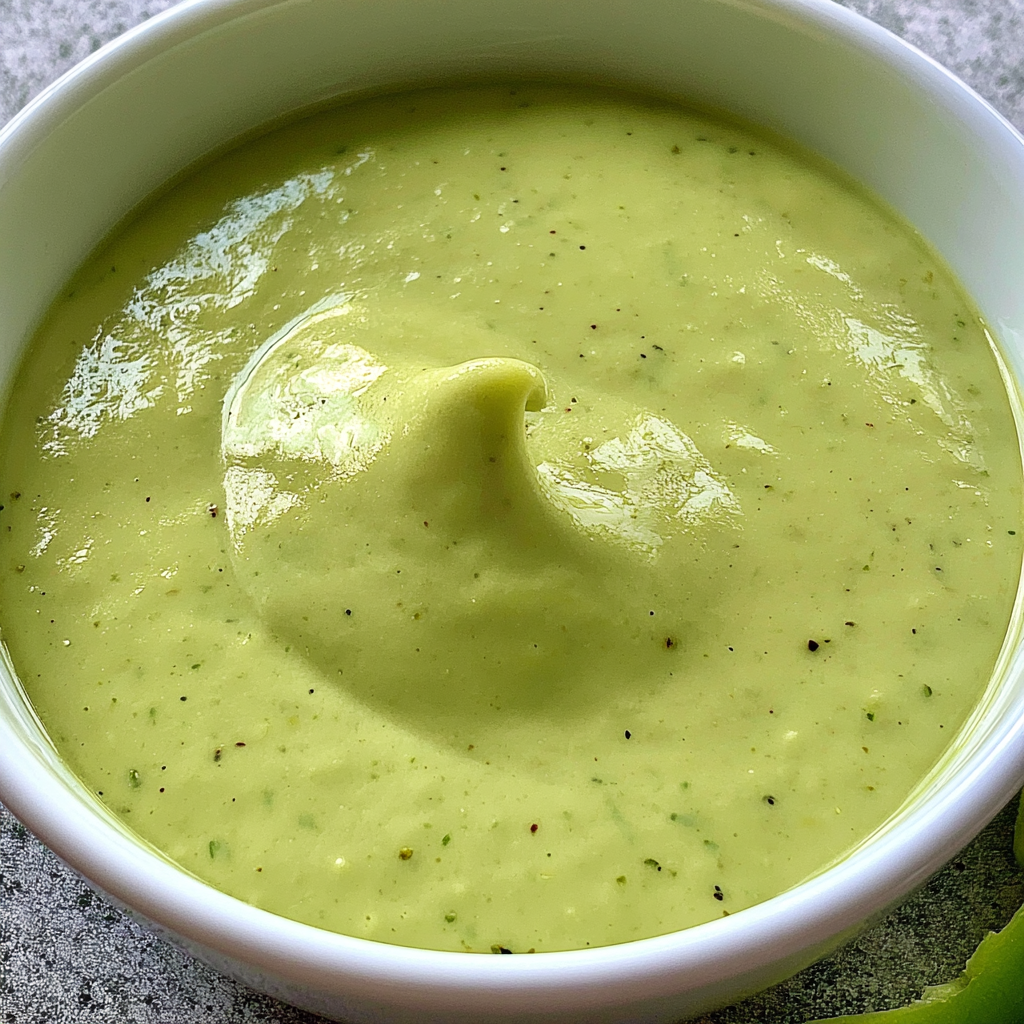
This is the kind of homemade sauce that can make an ordinary meal feel complete. The jalapeños provide a lively, slightly earthy heat, while red onion and fresh garlic build savory depth without overpowering the peppers.
What makes the sauce especially appealing is its smooth, creamy consistency, even though it contains no dairy. Slowly blending the cooked vegetables with neutral oil creates a stable, rich texture that clings beautifully to food rather than running off the plate.
You can serve it as soon as it is blended, but a few hours in the refrigerator will soften the sharper garlic notes and allow all the flavors to settle together. Make a jar at the beginning of the week, and you will have a flavorful finishing sauce ready for quick lunches, weeknight dinners, and casual gatherings.
Jalapeño Sauce Ingredients
Fresh jalapeños: These form the base of the sauce and provide its green color, pepper flavor, and heat. Choose peppers that feel firm and have smooth, unblemished skins.
Red onion: Simmering the onion with the peppers softens its sharpness and gives the finished sauce a subtle sweetness and savory depth.
Fresh garlic: Raw garlic is blended into the cooked vegetables for a bold, aromatic flavor. Four cloves produce a noticeable garlic presence, while five create a stronger finish.
Neutral-flavored oil: Avocado, corn, or vegetable oil gives the sauce its creamy body without covering the natural jalapeño flavor.
Salt: Salt brings the peppers, garlic, and onion together. Begin with the measured amount, then adjust only after the sauce has been fully blended.
Reserved cooking water: A small amount can be added at the end to loosen the sauce without diluting its flavor too quickly.

How to Make This Creamy Jalapeño Sauce
STEP 1: Remove the stems from all eight jalapeños. Leave the peppers whole, then place them in a medium saucepan with the roughly chopped red onion. Keeping the peppers whole makes preparation quick and allows them to soften evenly as they simmer.
STEP 2: Add enough water to the saucepan to cover the peppers and onion completely. Set the pan over high heat and bring the water to a full boil. Once boiling, reduce the heat so the vegetables cook at a steady simmer rather than bouncing aggressively around the pan.
STEP 3: Simmer the jalapeños and onion for about 15 minutes. The peppers will change from bright green to a softer, muted shade as they cook. Test one with a fork. It should be tender and easy to pierce but still hold its shape. Overcooking can make the vegetables watery and may weaken the fresh pepper character.
STEP 4: Drain the cooked vegetables, but save some of the cooking liquid before discarding the remaining water. Let the jalapeños and onion sit in the strainer briefly so excess water does not make the sauce too thin.
STEP 5: Transfer the softened jalapeños and red onion to a food processor. Add the peeled garlic cloves, neutral oil, and one teaspoon of salt. Make sure the lid is secured before beginning to blend, especially while the vegetables are still warm.
STEP 6: Process the mixture continuously for 4 to 5 minutes. Stop once or twice to scrape down the sides if necessary. The extended blending time is important because it breaks down the vegetables thoroughly and helps the oil combine with their moisture, producing a thick, glossy, creamy texture.
STEP 7: Check the consistency. For a pourable sauce, blend in the reserved cooking water a few tablespoons at a time. Allow each addition to become fully incorporated before adding more. Taste the sauce only after it is smooth, then add a small amount of extra salt if needed.
STEP 8: Spoon the sauce into a serving bowl or clean storage jar. It can be used immediately while slightly warm, or refrigerated for several hours for a more balanced flavor and a cooler, thicker consistency.
What to Serve with Jalapeño Sauce
This sauce works especially well with foods that benefit from a creamy, spicy contrast. Spoon it over chicken tacos, steak tacos, burrito bowls, or roasted vegetables for a fresh finishing touch.
It also makes an excellent dipping sauce for tortilla chips, quesadillas, taquitos, potato wedges, or crispy roasted potatoes. Because the texture is thick and smooth, it stays on the food instead of dripping immediately back onto the plate.
For a quick lunch, spread a thin layer inside sandwiches, wraps, burgers, or grilled cheese. A small spoonful can also add flavor to scrambled eggs, breakfast tacos, grain bowls, or grilled corn.
How spicy is this jalapeño sauce?
The heat level depends largely on the individual peppers. Jalapeños can range from fairly mild to noticeably hot, even when they look identical. Using the whole peppers creates a medium to spicy sauce, although the oil and cooked onion help round out the heat.
Can I make it less spicy?
Yes. Slice the jalapeños lengthwise and remove some or all of the seeds and pale inner membranes before simmering them. The membranes contain much of the pepper’s concentrated heat. You can also replace one or two jalapeños with a mild green pepper while keeping the remaining ingredients unchanged.
Helpful Tips
- Let the boiled vegetables drain well before blending. Too much water at the beginning can prevent the sauce from developing its rich, creamy body.
- Blend for the full 4 to 5 minutes. The sauce may look slightly textured at first, but continued processing helps the oil and vegetables combine into a smoother mixture.
- Add cooking water gradually. It is simple to thin an overly thick sauce, but difficult to restore its texture once too much liquid has been added.

Why does the sauce become creamy without dairy?
The creamy texture comes from emulsification. As the jalapeños, onion, and garlic are processed, their natural moisture combines with the oil. Continuous high-speed blending breaks the oil into tiny droplets, creating a smooth sauce that looks and feels creamy without cheese, yogurt, sour cream, or mayonnaise.
Can I prepare the sauce ahead of time?
This sauce is a great make-ahead condiment. In fact, preparing it several hours before serving can improve its flavor. Refrigeration gives the garlic, pepper, onion, and salt time to blend together, while the cooler temperature helps the sauce become slightly thicker.
Can I use a blender instead of a food processor?
A high-powered blender can work, although you may need to stop and scrape down the container. Begin at a lower speed, then gradually increase it. Avoid adding extra cooking water unless the blades cannot circulate the mixture, since unnecessary liquid can make the sauce runny.
How to Store and Reheat
Transfer leftover sauce to a clean jar or airtight container and keep it refrigerated. For the freshest flavor and texture, use it within 4 to 5 days. Always scoop it with a clean spoon to reduce the chance of introducing crumbs or other ingredients into the container.
The oil may separate slightly during storage, especially after the sauce has been sitting for several days. This is normal. Stir it vigorously or briefly blend it again before serving. If it becomes thicker than you prefer, mix in a teaspoon or two of water until it returns to the desired consistency.
Freezing is possible, but the texture may be less creamy after thawing because the emulsion can separate. If you freeze it, place the sauce in a freezer-safe container with a little room for expansion and use it within 2 months. Thaw it overnight in the refrigerator, then blend until smooth again.
This sauce is normally served chilled or at room temperature, so reheating is unnecessary. When you prefer it slightly warm, place only the amount you need in a small bowl and allow it to sit at room temperature briefly. Avoid boiling the finished sauce, as excessive heat can cause the oil to separate and reduce its fresh jalapeño flavor.
Creamy Jalapeño Sauce
Ingredients
- ½ cup mild neutral-flavored oil, such as avocado, corn, or vegetable oil
- 4 to 5 peeled garlic cloves
- 1 small red onion roughly chopped, approximately 4 ounces
- 1 teaspoon salt with additional salt as needed
- 8 fresh jalapeño peppers approximately 12 ounces total
- Reserved jalapeño cooking water as needed for thinning
Instructions
- Remove and discard the stems from the jalapeño peppers. Place the whole peppers in a medium saucepan, then add the chopped red onion.
- Pour enough water into the saucepan to completely submerge the jalapeños and onion. Bring the water to a boil over high heat.
- Once boiling, lower the heat and simmer the vegetables for approximately 15 minutes. The jalapeños should soften and change to a muted green color. They are ready when easily pierced with a fork but should not be allowed to become mushy.
- Drain the cooked jalapeños and onion, reserving a portion of the cooking water. Set the strained vegetables aside.
- Transfer the softened jalapeños and onion to a food processor. Add the garlic cloves, neutral oil, and salt.
- Process the ingredients for 4 to 5 minutes, or until the sauce becomes exceptionally smooth, creamy, and evenly blended.
- For a thinner consistency, incorporate the reserved cooking liquid a few tablespoons at a time, blending after each addition until the desired texture is reached.
- Taste the finished sauce and add more salt only if necessary.
- Transfer the creamy jalapeño sauce to a serving bowl or storage jar. Serve immediately or refrigerate until needed.