
Butterscotch Cookies are soft, chewy, and packed with rich caramel-like morsels, making them a reliable treat for bake sales, lunchboxes, holidays, or relaxed weekend baking. Chilling the dough keeps the cookies thick while helping the edges bake lightly golden.
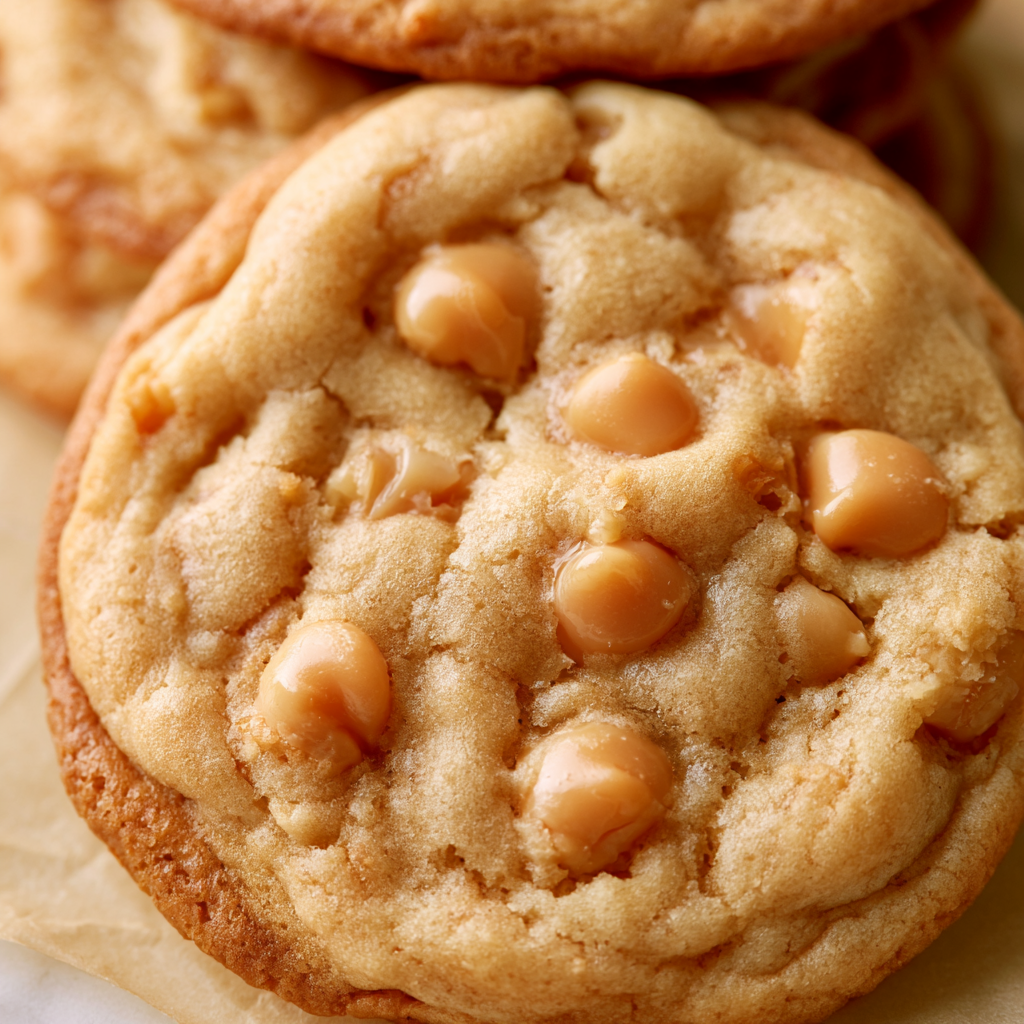
A warm batch of cookies is always welcome, but these are especially satisfying when you want something a little different from classic chocolate chip. Butterscotch chips melt into sweet, creamy pockets that complement the buttery brown sugar dough without requiring any complicated preparation.
This dough comes together with familiar baking staples and needs only a brief chill before it goes into the oven. That short resting period is worth the wait because it reduces spreading and gives each cookie a tender middle with pleasantly chewy edges.
The most important part is knowing when to stop baking. Remove the cookies while their centers still look slightly soft. They will finish setting on the warm baking sheet, creating the thick, tender texture that makes these homemade butterscotch chip cookies so appealing.
Butterscotch Cookie Ingredients
Unsalted butter: Softened butter forms the rich base of the dough and holds air when beaten with the sugars. It should be soft enough to cream smoothly but not melted or greasy.
Brown sugar: Packed brown sugar adds moisture, a deeper caramel note, and the chewiness that keeps the centers tender after cooling.
Granulated sugar: White sugar balances the brown sugar and encourages the edges to become lightly crisp and golden.
Eggs: Room-temperature eggs blend more evenly into the creamed butter, helping the dough stay smooth and properly emulsified.
Pure vanilla extract: Vanilla rounds out the sweetness and supports the warm flavor of the butterscotch chips.
All-purpose flour: Flour provides the necessary structure so the cookies hold their shape while remaining soft inside.
Baking soda: This leavening agent helps the dough spread at a controlled rate and contributes to the cookies’ lightly browned edges.
Salt: A small amount of salt prevents the cookies from tasting overly sweet and brings out the buttery, caramel-like flavors.
Butterscotch baking chips: These create sweet, creamy pockets throughout every cookie. Fold them in gently so they remain intact and evenly distributed.

Step-by-Step Butterscotch Cookies
STEP 1: Place the softened butter, packed brown sugar, and granulated sugar in a large mixing bowl. Beat them at medium speed for 3–4 minutes. The mixture should become noticeably lighter, fluffy, and slightly increased in volume. Proper creaming helps give the cookies a tender texture rather than a heavy or dense center.
STEP 2: Pour in the vanilla and mix briefly. Add the eggs one at a time, beating well after each addition. Scrape down the sides and bottom of the bowl as needed so no streaks of butter remain. The finished mixture should look smooth and evenly blended.
STEP 3: In a separate bowl, whisk together the flour, baking soda, and salt. Whisking distributes the baking soda evenly, which prevents some cookies from rising or browning differently from others.
STEP 4: Reduce the mixer to low speed. Add the dry ingredients gradually and stop mixing as soon as the flour disappears into the dough. Overmixing after the flour has been added can develop too much gluten and make the baked cookies firmer than intended.
STEP 5: Add the butterscotch chips. Mix for only a few seconds, or use a sturdy spatula to fold them into the dough by hand. Check the bottom of the bowl to make sure no pockets of flour or clusters of chips remain.
STEP 6: Cover the dough and chill it for 20 minutes in the freezer or 40 minutes in the refrigerator. The butter will firm slightly during this time, giving the dough more structure and helping the cookies bake thicker instead of spreading into thin rounds.
STEP 7: Preheat the oven to 350°F and line a baking sheet with parchment paper. Scoop rounded tablespoon-sized portions of chilled dough onto the prepared pan, leaving about 2 inches between them. Keep the remaining dough chilled while each batch is baking.
STEP 8: Bake for 10–12 minutes, until the edges are just beginning to turn golden. The centers should still appear soft and slightly underdone. Leave the cookies on the baking sheet for 5 minutes before moving them to a wire rack, where they can cool and finish setting.
How to Store and Reheat
Let the cookies cool completely before placing them in an airtight container. Warm cookies release steam, which can become trapped inside the container and make their surfaces sticky.
Store the baked cookies at room temperature for up to 4 days. A sheet of parchment paper between layers can prevent the butterscotch chips from sticking to neighboring cookies. For slightly softer cookies, place a small piece of bread in the container and replace it when it becomes dry.
The cookies can also be frozen for up to 3 months. Arrange them in a freezer-safe container with parchment between the layers, or wrap them in small groups before placing them in a freezer bag. Thaw at room temperature before serving.
To restore a warm, freshly baked texture, heat one cookie in the microwave for approximately 8–10 seconds. Avoid overheating it, since the butterscotch chips can become very hot and the cookie may turn overly soft.
Why did my cookies spread too much?
Excessive spreading usually happens when the butter is too warm or the dough has not chilled long enough. Make sure the butter is softened rather than melted, and keep the portioned dough cold until it enters the oven. A baking sheet that is still hot from a previous batch can also cause early spreading.
Can I prepare the dough ahead of time?
Yes. Cover the prepared dough tightly and refrigerate it for up to 48 hours. Let very firm dough sit at room temperature for several minutes before scooping. You can also portion the dough before refrigerating it, which makes baking the next day more convenient.
Can the unbaked cookie dough be frozen?
Scoop the dough into individual portions and freeze them on a parchment-lined tray until solid. Transfer the frozen portions to a sealed freezer bag and store them for up to 2 months. Bake directly from frozen, adding approximately 1–2 minutes to the usual baking time.
How do I know when the cookies are done?
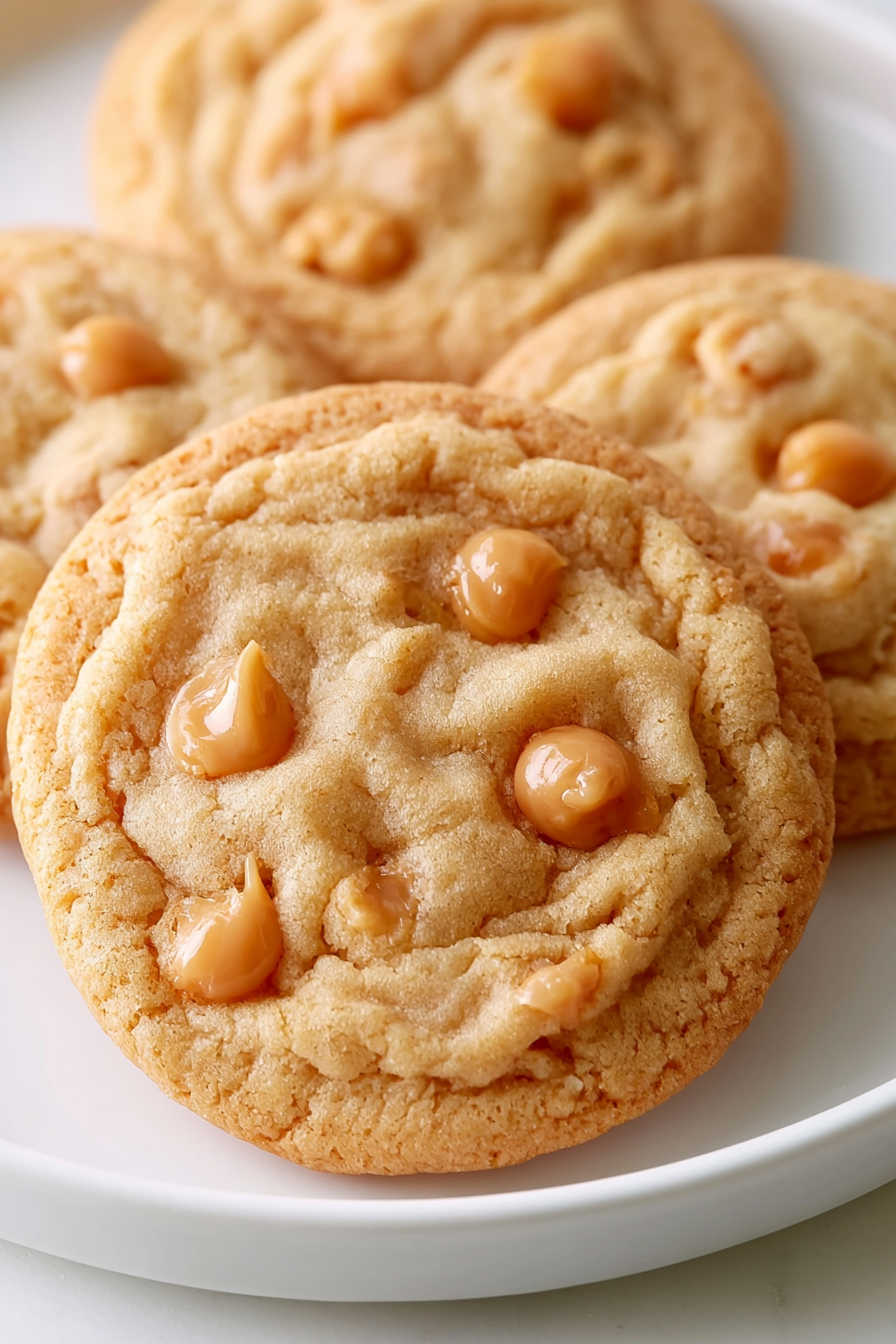
Look at the edges rather than waiting for the centers to appear completely baked. The edges should be set and faintly golden, while the centers should remain pale and soft. They continue cooking from the residual heat of the baking sheet during the 5-minute cooling period.
Can I make larger cookies?
Larger portions will work, but they need more space on the pan and a longer baking time. Begin checking them after about 12 minutes. Remove them once the edges are set and lightly browned, even if the centers still look a little soft.
Helpful Baking Tips
- Measure the flour by spooning it into the measuring cup and leveling the top. Scooping directly from the bag can pack in too much flour and produce dry cookies.
- Bake one test cookie before filling the entire pan. If it spreads too quickly, return the dough to the refrigerator for another 15–20 minutes.
- Use a cool baking sheet for every batch. Placing chilled dough on a hot pan can soften the butter before the cookies enter the oven.
Serving Ideas for Butterscotch Cookies
Serve the cookies slightly warm with a cold glass of milk or a cup of freshly brewed coffee. The gentle bitterness of coffee balances the rich sweetness of the butterscotch chips particularly well.
For dessert, pair a warm cookie with a small scoop of vanilla ice cream. The soft cookie and melting ice cream create a simple but comforting combination without needing an additional sauce or topping.
These cookies also work well on a mixed dessert platter alongside less-sweet treats, fresh fruit, or lightly salted nuts. Their golden color and generous butterscotch pieces make them an inviting option for parties, holiday trays, and casual gatherings.
Butterscotch Cookies
Ingredients
- 11 ounces butterscotch baking chips
- 2 large eggs brought to room temperature
- 1 teaspoon baking soda
- ¾ cup firmly packed brown sugar
- ½ teaspoon salt
- 2½ cups all-purpose flour
- 1 teaspoon pure vanilla extract
- ¾ cup granulated white sugar
- ¾ cup unsalted butter softened; Kerrygold or another high-quality butter may be used
Instructions
- Place the softened unsalted butter, packed brown sugar, and granulated sugar in a large mixing bowl. Beat at medium speed for approximately 3–4 minutes, or until the mixture appears pale, airy, and fluffy.
- Blend in the vanilla extract until evenly incorporated.
- Add the eggs individually, mixing thoroughly after each addition before introducing the next egg. Continue beating until the mixture is smooth and fully combined.
- In a separate bowl or large measuring vessel, whisk together the all-purpose flour, baking soda, and salt until evenly distributed.
- Set the mixer to low speed and gradually add the dry mixture to the creamed ingredients. Mix only until no visible streaks of flour remain, taking care not to overwork the dough.
- Add the butterscotch chips and mix briefly until they are dispersed throughout the dough. For gentler handling, finish incorporating the chips by folding them in with a spatula.
- Transfer the completed cookie dough to the freezer for 20 minutes or place it in the refrigerator for 40 minutes.
- Allowing the dough to chill helps limit excessive spreading during baking and contributes to a more substantial cookie texture.
- Preheat the oven to 350°F (175°C), then cover a baking sheet with parchment paper.
- Using a tablespoon-sized cookie scoop, portion the chilled dough into rounded mounds. Arrange them on the prepared baking sheet with approximately 2 inches of space between each portion.
- Bake for 10–12 minutes, stopping when the edges are faintly golden while the centers still appear slightly underdone.
- Remove the baking sheet from the oven and leave the cookies undisturbed on the pan for 5 minutes. This resting period allows their delicate centers to firm sufficiently.
- Carefully move the cookies to a wire cooling rack and allow them to cool completely.