
Gluten-Free Butterscotch Cookies are soft, chewy, and packed with buttery caramel flavor. Rolled oats, warm cinnamon, and crisp edges make them a reliable treat for parties, lunchboxes, or relaxed weekend baking.
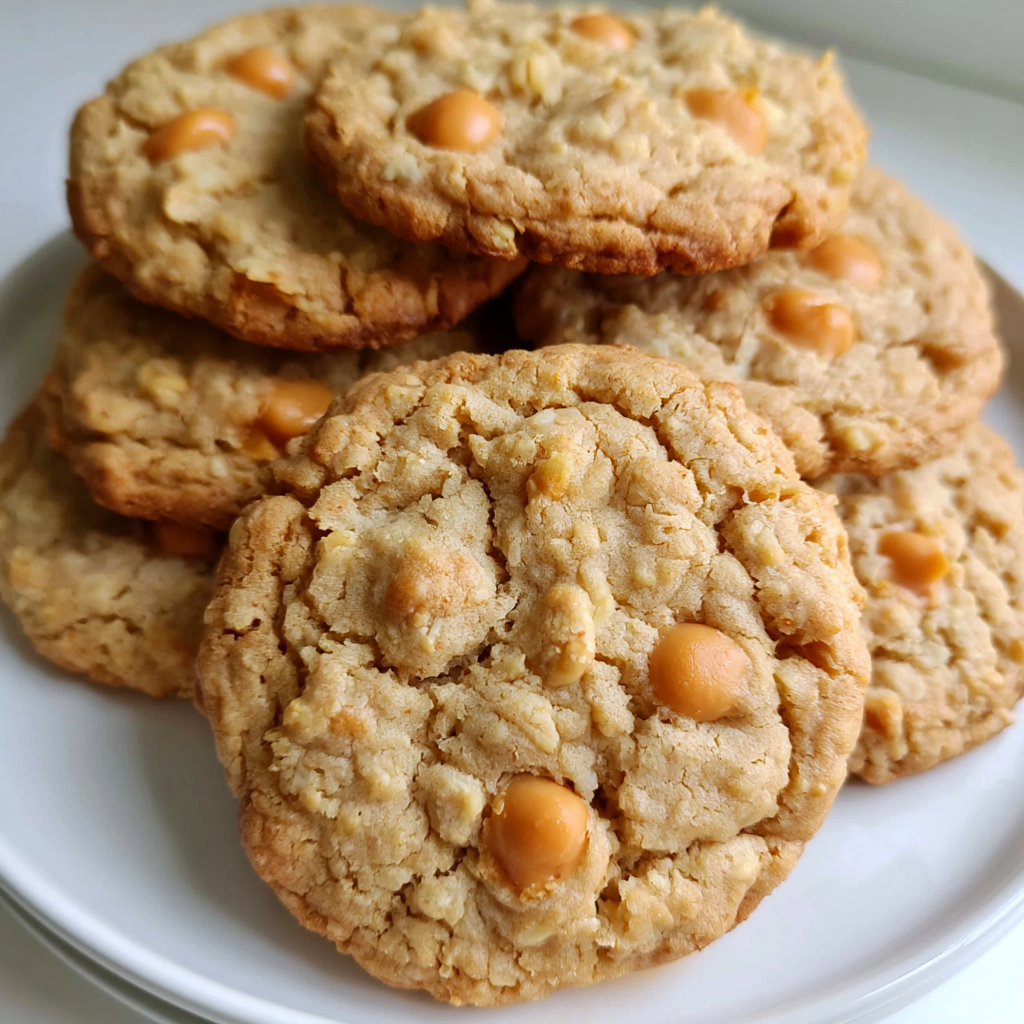
When you need a cookie that feels familiar but still offers something a little different, this oatmeal butterscotch combination is an excellent choice. The dough comes together with melted butter, so there is no waiting for butter to soften and no need to use an electric mixer.
Brown sugar gives the centers a tender, slightly caramelized texture, while granulated sugar helps the edges become lightly crisp. Old-fashioned rolled oats add satisfying chewiness without making the cookies dry or overly dense.
The most important part is taking the cookies out of the oven while their centers still look slightly underbaked. They continue setting on the warm baking sheet, producing cookies that hold their shape while remaining soft in the middle.
Ingredients
Salted butter: Melted butter adds richness and moisture while helping the cookies spread naturally in the oven.
Brown sugar: Firmly packed brown sugar creates a soft center and deepens the caramel-like flavor of the butterscotch.
Granulated sugar: White sugar balances the brown sugar and encourages delicately crisp edges.
Egg: A room-temperature egg binds the dough and blends more smoothly with the melted butter.
Vanilla extract: Vanilla rounds out the sweetness and complements the buttery morsels.
Gluten-free all-purpose flour blend: This provides the structure normally supplied by wheat flour. Choose a dependable blend intended for general baking.
Certified gluten-free rolled oats: Old-fashioned oats give the cookies their hearty texture and signature chew. Avoid instant oats, which absorb moisture differently and can make the dough less predictable.
Baking powder and baking soda: A small amount of each leavening ingredient helps the cookies rise slightly before settling into tender, chewy rounds.
Ground cinnamon: Cinnamon adds gentle warmth without overpowering the butterscotch flavor.
Butterscotch morsels: These melt into sweet, creamy pockets throughout the oatmeal cookie dough. Check the package carefully when baking for someone who must strictly avoid gluten.

Cooking Steps
STEP 1: Preheat your oven to 375°F and line the baking sheets with parchment paper. The parchment prevents sticking and makes it easier to transfer the cookies without damaging their soft centers.
STEP 2: Melt the salted butter in a microwave-safe bowl using short intervals, stirring between each one. Once the butter is completely liquid, leave it to cool for 2–3 minutes. It should remain warm and fluid but should not be hot enough to cook the egg.
STEP 3: Combine the melted butter, brown sugar, granulated sugar, egg, and vanilla in a medium mixing bowl. Stir vigorously for about 1 minute. The mixture should look smooth, cohesive, and slightly lighter than when you began.
STEP 4: In a separate bowl, whisk the gluten-free flour blend with the baking powder, baking soda, and cinnamon. Break apart any visible lumps so the leavening is distributed evenly throughout the dough.
STEP 5: Add the dry mixture to the bowl of wet ingredients. Fold gently until only a few small streaks of flour remain. Avoid prolonged mixing, which can make the finished cookies firmer and less tender.
STEP 6: Fold in the certified gluten-free rolled oats and butterscotch morsels. Continue only until they are evenly dispersed. The dough will be thick and visibly textured, but it should hold together when pressed or scooped.
STEP 7: Scoop rounded portions of dough onto the prepared baking sheets, leaving about 2 inches between them. Bake medium cookies for 8–9 minutes or larger cookies for around 13 minutes. Remove them when the edges are pale golden and the centers look just set. Let them rest on the pan for 2–3 minutes before moving them to a wire rack.
Keeping Leftovers Fresh
Let the cookies cool completely before placing them in a storage container. Any warmth trapped inside the container can create condensation and soften the crisp edges.
Store the cookies in an airtight container at room temperature for up to 4 days. A small piece of plain bread placed inside the container can help preserve their soft texture, but keep the bread from resting directly on top of the cookies.
For longer storage, freeze the baked cookies for up to 2 months. Arrange them in a freezer-safe container with parchment paper between the layers. Thaw them at room temperature before serving.
You can also freeze individual portions of unbaked dough. Scoop the dough onto a lined tray and freeze until firm, then transfer the portions to a freezer bag. Bake from frozen, adding approximately 1–3 minutes to the usual baking time.
These cookies do not require reheating, but a few seconds in the microwave can restore a freshly baked softness. Heat one cookie for about 8–10 seconds, checking carefully so the butterscotch pieces do not become excessively hot.
Why did my cookies spread too much?
The butter may have been too hot when the dough was mixed, or the baking sheet may have been warm before the dough was added. Let melted butter cool briefly and always portion the dough onto a cool baking sheet. Measuring the flour carefully also helps control spreading.
Can I use quick oats instead?
Old-fashioned rolled oats are recommended because they give the cookies a pleasantly chewy structure. Quick oats are thinner and absorb liquid more rapidly, so they can produce a softer, less textured cookie. Instant oatmeal should not be used because it behaves differently and may contain added ingredients.
How can I tell when the cookies are finished baking?
Look at the edges rather than waiting for the centers to appear completely firm. The edges should be lightly golden, while the centers should look set but still soft. Residual heat from the pan finishes the baking process during the short cooling period.

Do all butterscotch morsels contain gluten?
Ingredients and manufacturing practices vary between products. Some packages may also include warnings about shared equipment. When preparing the cookies for someone with celiac disease or significant gluten sensitivity, verify that every packaged ingredient, including the morsels, is clearly suitable for gluten-free baking.
Can I prepare the dough ahead of time?
Yes. Cover the bowl tightly and refrigerate the dough for up to 24 hours. Chilled dough may spread less, so let it stand at room temperature for about 10–15 minutes if it becomes too firm to scoop. Keep the unbaked dough refrigerated until the oven is ready.
Perfect Pairings
Serve these oatmeal cookies with cold milk, hot coffee, or black tea to balance their rich butterscotch sweetness.
For a simple dessert plate, pair them with fresh apple or pear slices. The lightly tart fruit keeps the combination from feeling too heavy.
You can also crumble a cooled cookie over vanilla ice cream. The crisp oat pieces and softened butterscotch morsels create an effortless dessert with contrasting temperatures and textures.
Helpful Tips
- Measure the gluten-free flour by spooning it lightly into the measuring cup and leveling the top. Scooping directly from the bag can compact the flour and create dry cookies.
- Use certified gluten-free oats and verify all packaged ingredients when cross-contact is a concern. Regular oats may be processed alongside wheat even though oats are naturally gluten-free.
- Do not wait for the centers to become golden brown. Removing the cookies while they still look slightly soft is the key to maintaining their chewy centers after cooling.
Gluten-Free Butterscotch Cookies
Ingredients
- 1 large egg brought to room temperature
- 1¼ cups butterscotch morsels
- ½ cup white granulated sugar
- 2 cups certified gluten-free old-fashioned rolled oats not instant oats
- 1 teaspoon pure vanilla extract
- 12 tablespoons salted butter melted and slightly cooled
- ¼ teaspoon baking soda
- 1 cup firmly packed brown sugar
- ½ teaspoon ground cinnamon preferably freshly ground
- 1½ cups gluten-free all-purpose flour blend
- 1 teaspoon baking powder
Instructions
- Preheat the oven to 375°F. Cover the baking sheets with parchment paper to encourage even baking and prevent the cookies from sticking.
- Melt the butter. Place the salted butter in a microwave-safe bowl and heat it in 20-second intervals, stirring after each interval, until completely melted. Allow it to cool for 2–3 minutes before combining it with the egg.
- In a medium bowl, combine the slightly cooled melted butter, packed brown sugar, granulated sugar, room-temperature egg, and vanilla extract. Mix vigorously for approximately 1 minute, or until the mixture is smooth, thoroughly blended, and somewhat lighter in appearance.
- In a separate small bowl, thoroughly whisk the gluten-free flour blend with the baking powder, cinnamon, and baking soda. Continue until the mixture is uniform and free of visible lumps.
- Add the dry mixture to the wet ingredients. Fold gently only until the flour mixture is nearly incorporated, taking care not to overwork the dough.
- Fold in the gluten-free rolled oats and butterscotch morsels until both are distributed evenly. The finished dough should hold together while retaining visible texture from the oats.
- Using a cookie scoop or spoon, place rounded portions of dough onto the prepared baking sheets. Leave approximately 2 inches of space between each portion to accommodate spreading.
- Bake medium cookies for 8–9 minutes or large cookies for approximately 13 minutes. Remove them when the edges are pale golden and the centers appear just set but still slightly underbaked.
- Leave the cookies on the hot baking sheet for 2–3 minutes. This brief resting period allows residual heat to finish setting their structure.
- Carefully transfer the cookies to a wire rack and allow them to cool completely. Their chewy centers, lightly crisp edges, and butterscotch flavor will become more pronounced as they set.