
Gluten Free Snickerdoodle Cookies are soft, tender, and warmly coated in cinnamon sugar, with almond flour for a delicate crumb, coconut sugar for caramel notes, and lemon juice for the familiar tang of a classic.
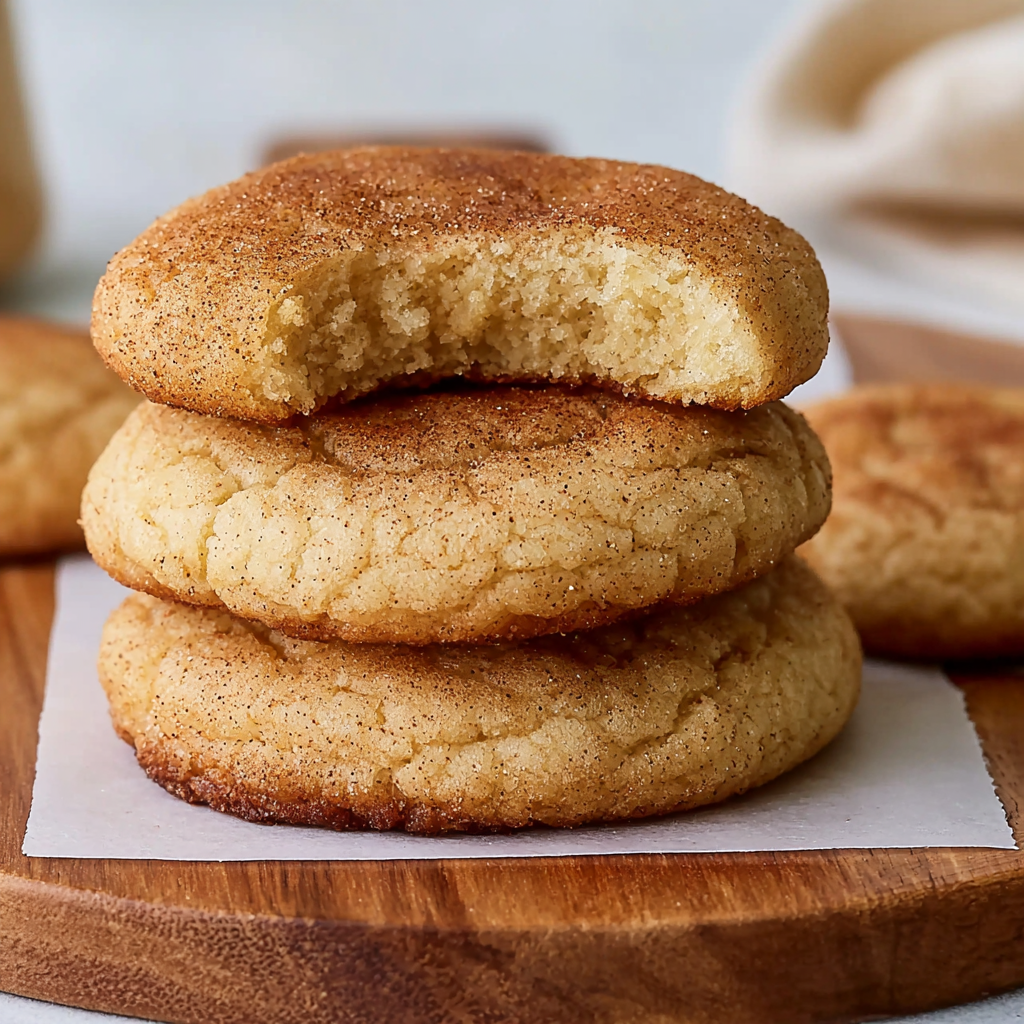
These cookies are a smart choice when you need a simple homemade treat for an afternoon snack, a holiday cookie tray, or a small dessert that does not require complicated decorating. The dough comes together in one bowl and uses familiar baking steps, so it is approachable even when your schedule is busy.
Almond flour gives the centers a moist, tender texture, while softened coconut oil helps the cookies hold together without making them heavy. The cinnamon coating adds fragrance and a lightly textured finish that contrasts nicely with the soft middle.
A brief chill is optional, but it can make the dough easier to roll when your kitchen is warm. After baking, give the cookies time to rest on the pan. They are delicate when hot and become more stable as they cool.
Almond Flour Snickerdoodle Ingredients
- Finely ground almond flour: Creates the soft, tender base of the cookies and gives the dough its delicate structure.
- Coconut sugar: Sweetens the dough with a mild caramel-like depth that pairs naturally with cinnamon.
- Refined coconut oil: Adds richness and keeps the cookies tender while offering a more neutral flavor than unrefined coconut oil.
- Egg: Binds the almond flour dough and helps the cookies set as they bake. A room-temperature egg blends more smoothly with the coconut oil.
- Fresh lemon juice: Adds a subtle tang that brings the flavor closer to a traditional snickerdoodle and balances the sweetness.
- Vanilla extract: Rounds out the cinnamon and coconut sugar with a warm, familiar bakery aroma.
- Baking powder: Provides a small amount of lift so the cookies remain tender rather than dense.
- Fine salt: Sharpens the sweetness and keeps the cinnamon flavor from tasting flat.
- Cinnamon and sugar: Form the fragrant coating around each dough ball and give the cookies their signature finish.
Helpful Tips
- Use finely ground almond flour rather than coarse almond meal. A finer texture produces smoother dough and cookies that hold together more evenly.
- Soften the coconut oil without melting it completely. Liquid oil can make the dough looser and may cause the cookies to spread more than expected.
- Let the baked cookies sit on the sheet for the full cooling period. Almond flour cookies firm gradually, and moving them too early can cause them to crack.

Step-by-Step Gluten Free Snickerdoodles
STEP 1: Heat the oven to 350°F (175°C) and line a large baking sheet with parchment paper. Measure the ingredients before mixing, especially the almond flour and coconut oil, so the dough develops a consistent texture.
STEP 2: Add the room-temperature egg, softened coconut oil, coconut sugar, and vanilla to a medium bowl. Whisk until the mixture looks smooth and evenly blended. Small traces of coconut sugar are fine, but there should not be large lumps of oil.
STEP 3: Fold in the almond flour, baking powder, salt, and lemon juice. Mix gently until the dry ingredients disappear and a soft dough forms. Avoid vigorous mixing, since you only need to bring the ingredients together.
STEP 4: Check the dough before shaping. It should be soft but manageable enough to roll. When it clings heavily to your hands or seems unusually loose, refrigerate it for 10 to 15 minutes. This short rest allows the coconut oil to firm and makes portioning cleaner.
STEP 5: Stir the cinnamon and coating sugar together in a shallow bowl. Scoop about 2 tablespoons of dough per cookie, roll each portion into a smooth ball, and cover it evenly with the cinnamon mixture. Place the balls about 1 inch apart on the prepared sheet.
STEP 6: Bake for about 10 minutes, watching for lightly golden edges and centers that still appear soft. The cookies may not spread dramatically on their own. Press them gently with the back of a spoon after baking when you prefer a flatter, more traditional snickerdoodle shape.
STEP 7: Leave the cookies on the hot baking sheet for 10 minutes. Once they feel stable enough to lift, move them to a wire rack and let them cool completely. Their texture becomes softer and more cohesive as they finish cooling.
Serving Ideas for Almond Flour Snickerdoodles
- Serve them with hot coffee, black tea, or chai so the cinnamon aroma feels especially warm and cozy.
- Add them to a mixed cookie platter with chocolate cookies or simple shortbread for contrasting flavors and textures.
- Pair one or two cookies with fresh berries or sliced apples for a light dessert plate that works well after lunch or dinner.
Can I make the cookie dough ahead of time?
Yes. Prepare the dough, cover the bowl tightly, and refrigerate it for up to 24 hours. Let it stand at room temperature for several minutes if it becomes too firm to scoop. Roll the portions in cinnamon sugar just before baking for the freshest coating.
Why did my cookies spread too much?
The coconut oil may have been too warm or fully melted, or the dough may have needed a short chill. Warm dough spreads faster before the egg and almond flour have time to set. Chilling for 10 to 15 minutes usually makes shaping easier and improves control.
Can I substitute another oil or fat?
A softened, solid baking fat works more predictably than a liquid oil because it gives the dough structure before baking. Butter may change the flavor and spread, while liquid oils can make the dough too loose. Any substitution may require a little extra chilling time.
How can I tell when the cookies are finished?
Look for edges that are lightly golden and set, while the centers remain soft. Do not wait for the entire surface to become firm in the oven. The cookies continue setting on the hot baking sheet, and overbaking can make almond flour cookies dry or crumbly.

Can I use coconut sugar for the coating?
Yes. Coconut sugar creates a deeper color and a more caramel-like flavor. Granulated sugar gives the coating a lighter appearance and a slightly more distinct sugary texture. Brown sugar can also work, although its moisture may make the coating softer.
Keeping Leftovers Fresh
Allow the cookies to cool completely before placing them in an airtight container. Any remaining warmth can create condensation, which may soften the cinnamon coating more than intended. Store them at room temperature for up to 1 week in a cool, dry area.
You can also refrigerate the cookies for up to 1 week when your kitchen is warm. Let chilled cookies sit at room temperature for 10 to 15 minutes before serving so the coconut oil softens and the centers regain their tender texture.
For longer storage, arrange the cooled cookies in a freezer-safe container with parchment between layers and freeze for up to 3 months. Thaw them in the refrigerator or on the counter while still covered, which helps prevent excess moisture from collecting on the surface.
These cookies do not require reheating, but you can warm one in a low oven for a few minutes or microwave it very briefly. Use gentle heat only, since too much warmth can make the almond flour texture fragile and cause the coconut oil to soften excessively.
Gluten Free Snickerdoodle Cookies
Ingredients
For the Cookie Dough
- 1½ teaspoons pure vanilla extract
- 2¼ cups finely ground almond flour
- 2 teaspoons freshly squeezed lemon juice
- ⅓ cup softened coconut oil preferably refined for a neutral taste
- ¼ teaspoon fine salt
- ½ cup coconut sugar
- 1 teaspoon baking powder
- 1 large egg brought to room temperature, approximately 70°F
For the Cinnamon-Sugar Coating
- 1 tablespoon ground cinnamon
- 2 tablespoons sugar such as granulated, brown, or coconut sugar
Instructions
- Preheat the oven to 350°F (175°C). Measure all required ingredients before beginning so the dough can be prepared efficiently and evenly.
- Place the room-temperature egg, softened coconut oil, coconut sugar, and vanilla extract in a medium mixing bowl. Whisk until the ingredients are thoroughly incorporated and the mixture appears smooth.
- Add the almond flour, baking powder, fresh lemon juice, and salt to the wet ingredients. Fold gently until a soft, uniform dough forms and no visible patches of dry flour remain.
- When the dough is overly sticky, refrigerate it for 10–15 minutes to make portioning and shaping easier.
- Line a baking sheet with parchment paper. In a small bowl, stir the sugar and ground cinnamon together until evenly combined.
- Portion approximately 2 tablespoons of dough for each cookie. Roll each portion into a ball, then coat it completely in the cinnamon-sugar mixture.
- Arrange the coated dough balls on the prepared baking sheet, leaving approximately 1 inch of space between them.
- Bake for 10 minutes, or until the cookie edges develop a light golden color.
- When the cookies have not spread sufficiently, gently press the center of each one with the back of a spoon to create a slightly flatter, traditional cookie shape.
- Leave the cookies on the baking sheet for 10 minutes after removing them from the oven. Transfer them to a wire cooling rack and allow them to cool completely.