
Cottage Cheese Cloud Bread is a light, protein-rich loaf with an airy center and golden top. Bake it as sandwich bread or portion it into rolls for toasting, breakfast, and simple low-carbohydrate meals.
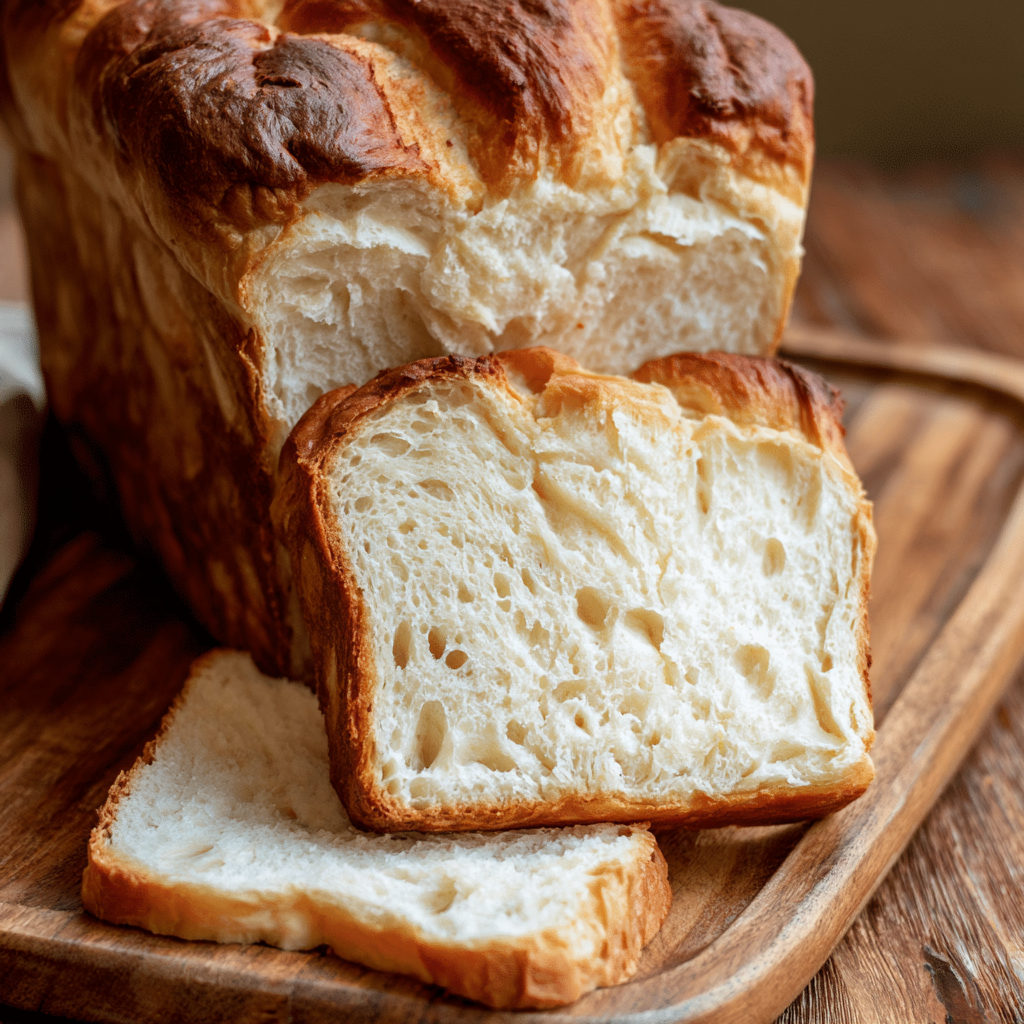
When you want homemade bread without a traditional flour-based dough, this fluffy loaf is a practical option. The batter comes together with cottage cheese, eggs, protein powder, and a few simple leavening ingredients.
Its delicate texture comes from egg whites whipped to stiff peaks, then carefully folded into the richer cottage cheese mixture. That trapped air expands in the oven, giving the bread its cloud-like interior without yeast, kneading, or rising time.
You can keep the flavor savory with everything bagel seasoning, leave the top plain for sandwiches, or add vanilla and a little allulose for a mildly sweet version. Once cooled, the loaf slices neatly enough for toast, breakfast sandwiches, and lighter lunch options.
What You Need for Airy Cloud Bread
This bread uses a short list of ingredients, but each one plays an important role in its height, structure, and flavor.
- Large eggs: The whites create volume while the yolks add richness and help bind the batter.
- White vinegar: A small amount stabilizes the whipped egg whites so they hold firm peaks more reliably.
- Full-fat cottage cheese: Adds moisture, a mild tang, and a creamy base without making the finished loaf overly heavy.
- Unflavored whey protein powder: Provides much of the bread’s structure and helps the loaf hold its shape after cooling.
- Egg white protein powder: Reinforces the whipped egg structure and supports a lighter, more bread-like crumb.
- Baking powder: Gives the batter an additional lift as it heats in the oven.
- Salt: Balances the mild dairy and egg flavors.
- Allulose: An optional addition that provides gentle sweetness without turning the loaf into a dessert.
- Vanilla extract: Optional for a sweeter breakfast loaf or a French toast-inspired flavor.
- Everything bagel seasoning: Adds a savory, slightly crunchy finish when sprinkled over the batter before baking.

Cooking Steps
STEP 1: Heat the oven to 300°F and prepare your chosen pan. For a full loaf, lightly grease a 5-by-9-inch loaf pan and line it with parchment paper, leaving enough overhang to help lift out the bread later. For individual portions, line a baking sheet or prepare silicone roll molds.
STEP 2: Add the room-temperature egg whites and vinegar to a completely clean, dry mixing bowl. Beat with a stand mixer or electric hand mixer on high speed until the whites become glossy and form stiff peaks. This can take 10 to 15 minutes, so allow enough time for the proper structure to develop.
STEP 3: In a second bowl, combine the egg yolks, cottage cheese, baking powder, salt, whey protein powder, and egg white protein powder. Mix in the allulose for a slightly sweeter loaf. Add vanilla only when you want a breakfast-style flavor rather than a savory sandwich bread.
STEP 4: Whisk or blend the cottage cheese mixture until it is smooth and evenly combined. Blending is especially helpful when the cottage cheese has larger curds, as a uniform mixture folds into the egg whites more easily and produces a more consistent crumb.
STEP 5: Add a small spoonful of the yolk mixture to the whipped whites and fold it in gently with a flexible spatula. Continue adding the remaining mixture in several small portions. Sweep the spatula down the side, across the bottom, and back over the top rather than stirring in circles.
STEP 6: Transfer the airy batter to the prepared loaf pan or divide it among the roll molds. Smooth the surface lightly without pressing out the air. Sprinkle everything bagel seasoning over the top when making a savory version.
STEP 7: Bake on the center rack for about 50 minutes. The top should appear golden and set, and a thin skewer inserted near the center should come out without wet batter. Avoid opening the oven repeatedly because sudden temperature changes can cause the loaf to lose volume.
STEP 8: Turn off the oven and leave the bread inside with the door closed for 10 minutes. This gradual resting period helps the interior finish setting. Remove the pan, let the bread cool slightly, and then lift it out carefully. For the cleanest slices, wait until it has cooled completely.
Serving Ideas for Cloud Bread
For breakfast, toast a slice until the edges are lightly crisp, then serve it with butter. The vanilla version also works well with a modest drizzle of syrup or as the base for French toast.
A savory loaf can be used for egg sandwiches, turkey sandwiches, or simple open-faced toast. Since the bread is light and delicate, choose fillings that are not excessively wet or heavy.
Individual rolls are especially convenient for breakfast sandwiches and sliders. Serve them alongside scrambled eggs, a fresh salad, or a warm bowl of soup for a simple meal.
Why did my cloud bread collapse?
Some settling is normal because this loaf relies heavily on whipped egg whites rather than gluten or yeast. A dramatic collapse usually happens when the whites were under-whipped, the batter was stirred too vigorously, or the oven door was opened before the center had set.
Letting the finished bread rest in the switched-off oven also reduces the sudden temperature change that can cause rapid shrinking.
Can I make this without whey protein powder?
Whey protein powder provides essential structure, so omitting it would significantly change the batter and finished texture. A different protein powder may absorb moisture differently and could produce a dry, gummy, or unstable loaf.
For the most dependable result, use an unflavored whey powder and keep the listed combination of whey and egg white protein powder.
Should cottage cheese be blended first?
Blending is not strictly required, but it creates a smoother batter and more even texture. Large cottage cheese curds can leave small pockets in the bread and may be harder to fold evenly into the whipped whites.
A quick blend with the yolks and dry ingredients gives you a uniform mixture without adding another complicated step.
Can I bake the batter as rolls?
Yes. Divide the batter between silicone molds or gently spoon portions onto a parchment-lined baking sheet. Keep the portions similar in size so they bake evenly.
Smaller rolls may finish before a full loaf, so begin checking them earlier. They should be golden, set in the center, and easy to lift once slightly cooled.
Does the bread taste strongly of eggs?
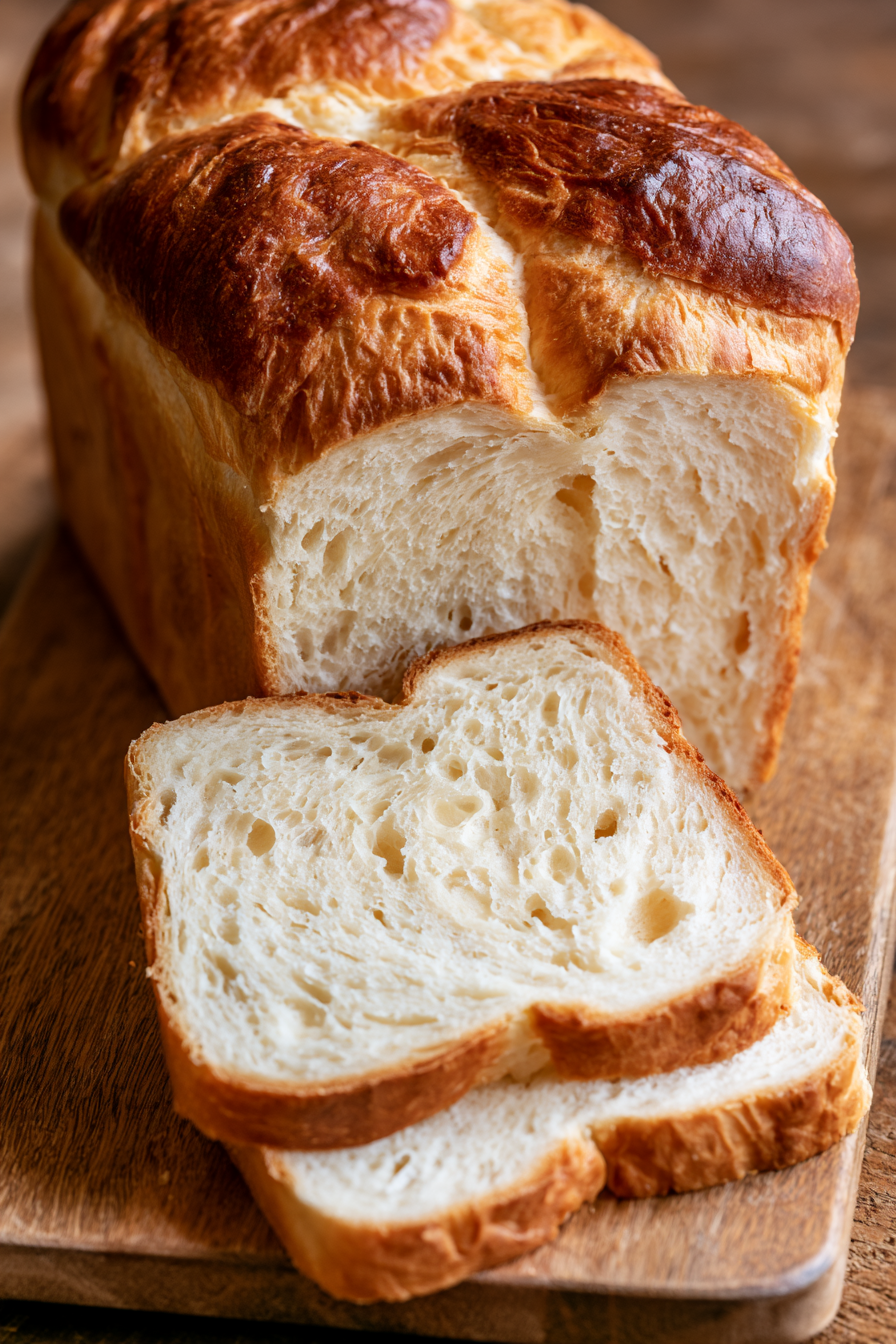
Eggs are a major structural ingredient, so the bread naturally has a mild egg flavor. Cottage cheese, salt, and savory seasoning help balance it, while vanilla and allulose shift it toward a sweeter breakfast profile.
Allowing the loaf to cool and then toasting the slices can also give it a more familiar bread-like flavor and texture.
Helpful Tips
- Use room-temperature eggs. The whites generally whip to greater volume, while the yolk mixture blends more smoothly with the cottage cheese.
- Keep the mixing bowl spotless. Even a small amount of grease or egg yolk can prevent the whites from whipping into firm, stable peaks.
- Fold slowly and stop promptly. Once the batter looks evenly combined, transfer it to the pan. Continued folding releases the air responsible for the loaf’s height.
How to Store and Reheat
Let the loaf cool completely before storing it. Warm bread releases steam, and sealing it too soon can create condensation that makes the surface damp.
Place slices or rolls in an airtight container and refrigerate them for up to four days. Separating slices with small pieces of parchment paper can prevent sticking and makes it easier to remove only what you need.
For longer storage, arrange cooled slices in a single layer and freeze until firm. Transfer them to a freezer-safe container or bag and keep them frozen for up to two months. Freezing individual slices is more convenient than freezing the entire loaf because they can be reheated directly from frozen.
Reheat slices in a toaster or toaster oven until warmed through and lightly crisp around the edges. A skillet over low heat also works well; turn the slice carefully once the bottom is golden. Avoid prolonged microwave heating, which can make the egg-based crumb rubbery or overly soft.
Whether you bake it as a tall loaf or a tray of individual rolls, this cottage cheese bread is most successful when the egg whites remain airy and the finished bread cools gradually. Handle the batter gently, allow the center to set fully, and toast leftover slices whenever you want a firmer exterior.
Cottage Cheese Cloud Bread
Ingredients
For the whipped egg whites:
- 6 large egg whites brought to room temperature
- ½ teaspoon white vinegar
For the cottage cheese mixture:
- ¾ cup unflavored whey protein powder such as Isopure
- 4 ounces full-fat cottage cheese
- 1 teaspoon vanilla extract optional for a French toast-style flavor
- ¼ teaspoon salt
- 6 large egg yolks at room temperature
- ¼ cup egg white protein powder
- 1 tablespoon allulose optional for mild sweetness
- ½ teaspoon baking powder
Optional topping:
- Everything bagel seasoning or another preferred bagel seasoning
Instructions
- Preheat the oven to 300°F (150°C). Grease a 5-by-9-inch loaf pan and line it with parchment paper. For rolls, prepare a parchment-lined baking sheet or a silicone mold pan instead.
- Place the room-temperature egg whites and white vinegar in the bowl of a stand mixer. Alternatively, use a large mixing bowl and an electric hand mixer. Beat on high speed for approximately 10 to 15 minutes, or until firm, stiff peaks develop. Set the whipped egg whites aside.
- In a separate bowl, combine the egg yolks, cottage cheese, baking powder, salt, whey protein powder, egg white protein powder, and allulose, when using. Add the vanilla extract only when preparing a French toast-inspired version.
- Whisk the yolk mixture until thoroughly blended. For a smoother consistency, process the ingredients in a blender until uniform.
- Add a small portion of the yolk mixture to the whipped egg whites. Fold gently, then continue incorporating the remaining mixture in small additions until evenly combined. Use light movements to preserve as much air as possible.
- Transfer the batter to the prepared loaf pan. When making rolls, divide the mixture among the prepared molds or portion it onto the lined baking sheet. Sprinkle bagel seasoning over the surface, when desired.
- Position the pan on the center oven rack and bake for 50 minutes. The bread is ready when the top is golden brown and a toothpick or skewer inserted into the center comes out clean.
- Turn off the oven without opening the door. Leave the loaf or rolls inside the closed oven for an additional 10 minutes.
- Remove the bread from the oven and allow it to cool slightly before serving. Enjoy it warm, toast it and add a small amount of butter, or let it cool completely before using it for sandwiches.