
Rich, velvety, and weeknight-manageable, Chicken Curry layers marinated chicken with toasted spices, onion, ginger, and garlic. It finishes with tangy yogurt and a splash of cream.
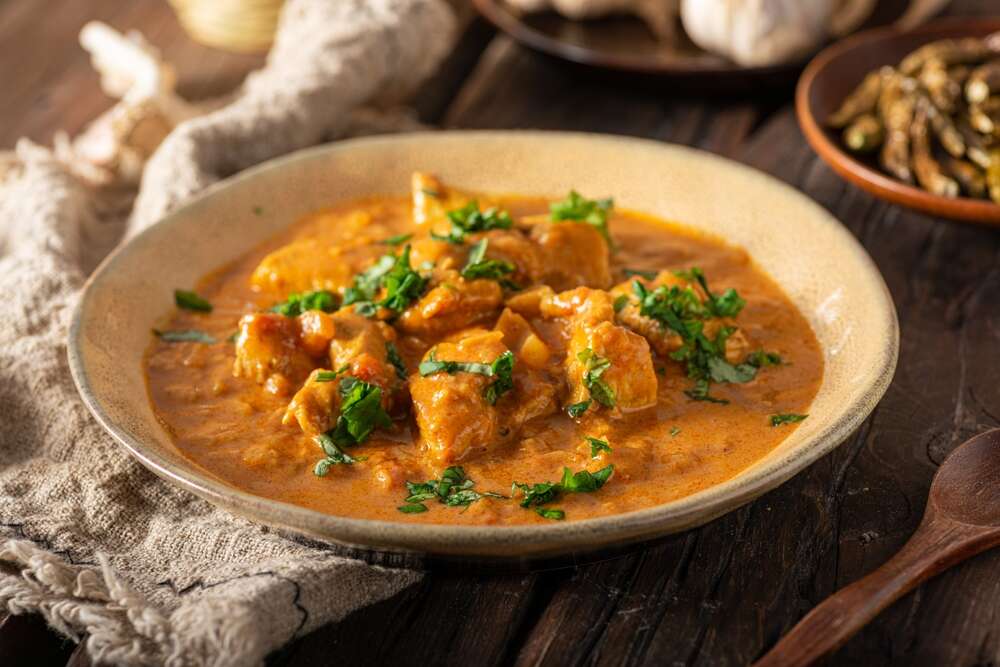
The result is a glossy, spoon-coating sauce that begs for warm naan or fluffy basmati. Mild heat, deep aromatics, and balanced richness make this a crowd-pleaser.
This version leans on pantry spices—cumin, coriander, turmeric, and garam masala—plus tomato paste for savory depth. Browning the chicken amplifies flavor, while slowly incorporating dairy keeps the sauce silky.
It’s flexible enough for thighs or breast and friendly to add-ins like peas or spinach. Serve with cucumber raita, lime wedges, and fresh cilantro.
Chicken Curry Ingredients, Simplified
- Use chicken thighs or breast for tender, juicy protein that stays moist and soaks up spices.
- Cook a chopped onion until it softens and forms a sweet, saucy base.
- Blend or mince garlic and fresh ginger to add bold backbone and warmth.
- Stir in tomato paste for concentrated savoriness and color.
- Add ground cumin, coriander, and turmeric for earthiness and a golden hue.
- Finish with garam masala to perfume the curry.
- Use full-fat plain yogurt for tang, tenderizing, and body.
- Swirl in heavy cream for silkiness and a mellow finish.
- Choose ghee or a neutral oil to carry flavor and help browning.
- Add optional cayenne to adjust the heat to taste.
- Finish with cilantro and fine sea salt for brightness and balance.
Blooming Spices Build the Base
Fragrant fat is your flavor engine. Sauté the onion and ginger mixture until the moisture cooks off.
Add cumin, coriander, and turmeric to hot ghee or oil and let them bloom briefly. Then stir in tomato paste to deepen the base.
Keep the heat moderate. You want sizzle, not scorch.
If the pan looks dry, add a teaspoon of fat so the spices dissolve and coat the aromatics.
Deglaze with a splash of water to loosen the fond and prevent bitterness. This sets you up for a gently simmered sauce that tastes slow-cooked.
How to Make Chicken Curry, Briefly
- Marinate bite-size chicken with spices and salt, and let it rest while you prep the base.
- Brown the chicken quickly in ghee in a single layer, then set it aside.
- Cook the blended onion, garlic, and ginger until reduced and sweet.
- Bloom the ground spices and tomato paste in the fat until fragrant.
- Add yogurt a spoonful at a time so it emulsifies and stays silky.
- Return the chicken with water, then simmer gently until tender.
- Finish with garam masala and cream, and reduce to a glossy thickness.
Yogurt and Cream Create Silk Without Curdling
Dairy gives this curry its hallmark plush texture, but timing and temperature matter. Use full-fat yogurt, and add it one tablespoon at a time over medium heat, stirring each addition before the next.
Avoid vigorous boiling once the yogurt is in; a gentle simmer is ideal. Cream is more stable, so swirl it in at the end with garam masala and reduce briefly to coat the chicken.
If the sauce looks slightly broken, whisk in a splash of cold cream or water off the heat to bring it back together.
Cook’s Notes & Handy Swaps
- Choose thighs for the juiciest results, but breast works if you pull it the moment it is just cooked.
- Pick ghee for nuttiness and a higher smoke point, though a neutral oil is perfectly fine.
- Adjust for tomato paste intensity by reducing a teaspoon if it tastes bold. Alternatively, balance with a pinch of sugar or an extra spoon of cream.
- Salt progressively because some garam masala blends are naturally salty.
- Finish with fresh cilantro and a squeeze of lime for lift.
- Serve with basmati, coconut rice, or warm naan to capture every drop.
Marinating and Browning Drive Depth
Even a 20-minute spice-and-salt rest starts working, seasoning the meat and drawing in flavor. Longer marination, up to 24 hours chilled, deepens it further.
When it is time to cook, brown in a single layer without crowding so the chicken sears instead of steams. Aim for two to three minutes per side; you do not need a hard crust.
Transfer the chicken out, then use the onion-ginger mixture to dissolve the fond clinging to the pan. That flavorful glaze rolls directly into the sauce, making the curry taste richer than the clock suggests.
Storing, Freezing & Reheating
Cool leftovers quickly, then refrigerate them in a shallow container. Reheat gently on the stovetop over low to medium heat, adding a splash of water to loosen the sauce before it simmers.
Stir occasionally to prevent sticking, and finish with a spoon of cream or a knob of butter to refresh the gloss. Expect leftovers to taste even better the next day as the flavors settle and mingle.
Freezer Strategy for Creamy Curries
Curry with dairy can freeze well if you set it up correctly. Chill it completely, pack in rigid containers with a little headspace, and freeze for up to two months.
Thaw overnight in the fridge to minimize separation, then reheat low and slow while whisking as it warms. If the sauce looks slightly grainy, emulsify with a tablespoon of cream, yogurt, or cold water.
Avoid repeated freeze-thaw cycles by portioning in meal-size containers so you only defrost what you will use. Brighten reheated portions with fresh cilantro, lime, or a drizzle of ghee.
Frequently Asked Questions
What can I use instead of garam masala?
If you are out, mix equal parts ground cumin, coriander, and cinnamon with a pinch of clove and nutmeg. Curry powder can stand in a pinch, but add a little extra cumin and a dash of cinnamon to mimic garam masala’s warmth.
Can I add vegetables to this curry?
Yes—stir in quick-cooking vegetables like peas or baby spinach during the last few minutes. For firmer vegetables like cauliflower or potatoes, par-cook or simmer them in the sauce until just tender, then add the chicken back so it does not overcook.
Can I make this in an Instant Pot?
Sauté the aromatics on Sauté mode, bloom spices and tomato paste, then stir in yogurt gradually. Add chicken and water, pressure cook 5 minutes for thighs with a 5-minute natural release, and finish on Sauté with cream and garam masala to thicken.
Can I double the recipe?
Absolutely. Brown the chicken in batches so it sears properly, then combine everything to simmer in a wider pot and allow a few extra minutes to reach a glossy, spoon-coating sauce.
Chicken Curry
Ingredients
- 1 ½ pounds boneless skinless chicken thighs or breast
- 1 medium onion roughly chopped
- 3 tablespoons vegetable oil or ghee
- 3 tablespoons heavy cream
- 1 teaspoon Garam Masala
- 2 tablespoons tomato paste
- 1 ½ teaspoons fine sea salt divided
- 1/2 teaspoon ground turmeric divided
- 3/4 teaspoon ground coriander divided
- 6 medium garlic cloves peeled
- 1- inch piece of fresh ginger peeled
- 1 teaspoon ground cumin divided
- 1/4 teaspoon freshly ground black pepper
- 1 ½ cups water divided
- 4 tablespoons full-fat plain unsweetened yogurt
- 1/8 to 1/4 teaspoon cayenne pepper optional
- Handful of chopped fresh cilantro leaves for garnish (optional)
Instructions
- Cut the chicken into bite-sized pieces, approximately 1 inch in size. Alternatively, if using bone-in chicken, it may be left whole.
- Place the chicken into a bowl and sprinkle with ½ teaspoon salt, ½ teaspoon ground cumin, ¼ teaspoon ground coriander, ¼ teaspoon ground turmeric, black pepper, and cayenne pepper if using. Toss thoroughly to coat the chicken in the spices. Set aside to marinate for a minimum of 20 minutes. If preparing ahead, cover and refrigerate for up to 24 hours.
- In a blender or food processor, combine the garlic cloves, ginger, chopped onion, and ½ cup of water. Process until the mixture is mostly smooth. An immersion blender with a cup attachment may also be used.
- Heat the oil or ghee in a wide, lidded skillet over medium-high heat. Arrange the marinated chicken pieces in a single layer and brown on both sides, about 2 to 3 minutes per side. Once browned, remove the chicken and set it aside. Leave the skillet on the heat.
- Pour the blended onion-ginger mixture into the hot skillet. Cook, stirring regularly, until the liquid evaporates, approximately 5 minutes.
- Sprinkle in the remaining ½ teaspoon ground cumin, ½ teaspoon ground coriander, and ¼ teaspoon ground turmeric. Stir and let cook for about 20 seconds until fragrant. Add the tomato paste and reduce the heat to medium-low. Stir and cook for an additional minute.
- Begin incorporating the yogurt, one tablespoon at a time, stirring thoroughly after each addition to prevent curdling.
- Return the chicken and any accumulated juices to the skillet. Pour in the remaining 1 cup of water along with ¾ teaspoon salt. Bring to a gentle boil, then reduce the heat to low, cover with a lid, and simmer for 20 minutes.
- Uncover the skillet and stir in the Garam Masala and heavy cream. Taste the sauce and adjust the seasoning by adding the final ¼ teaspoon of salt if needed. Increase the heat to medium-high and cook, stirring occasionally, until the sauce has thickened and reduced, about 3 to 5 minutes.
- Garnish with chopped cilantro leaves if desired, and serve immediately.